Fremantle Press is getting ready to celebrate 50 years of publishing in its new building the SEC Substation at 1/10 Parry Street. The Press will open its doors to the public on Friday 24 April with a publishing industry day and round the clock office tours. You are invited!
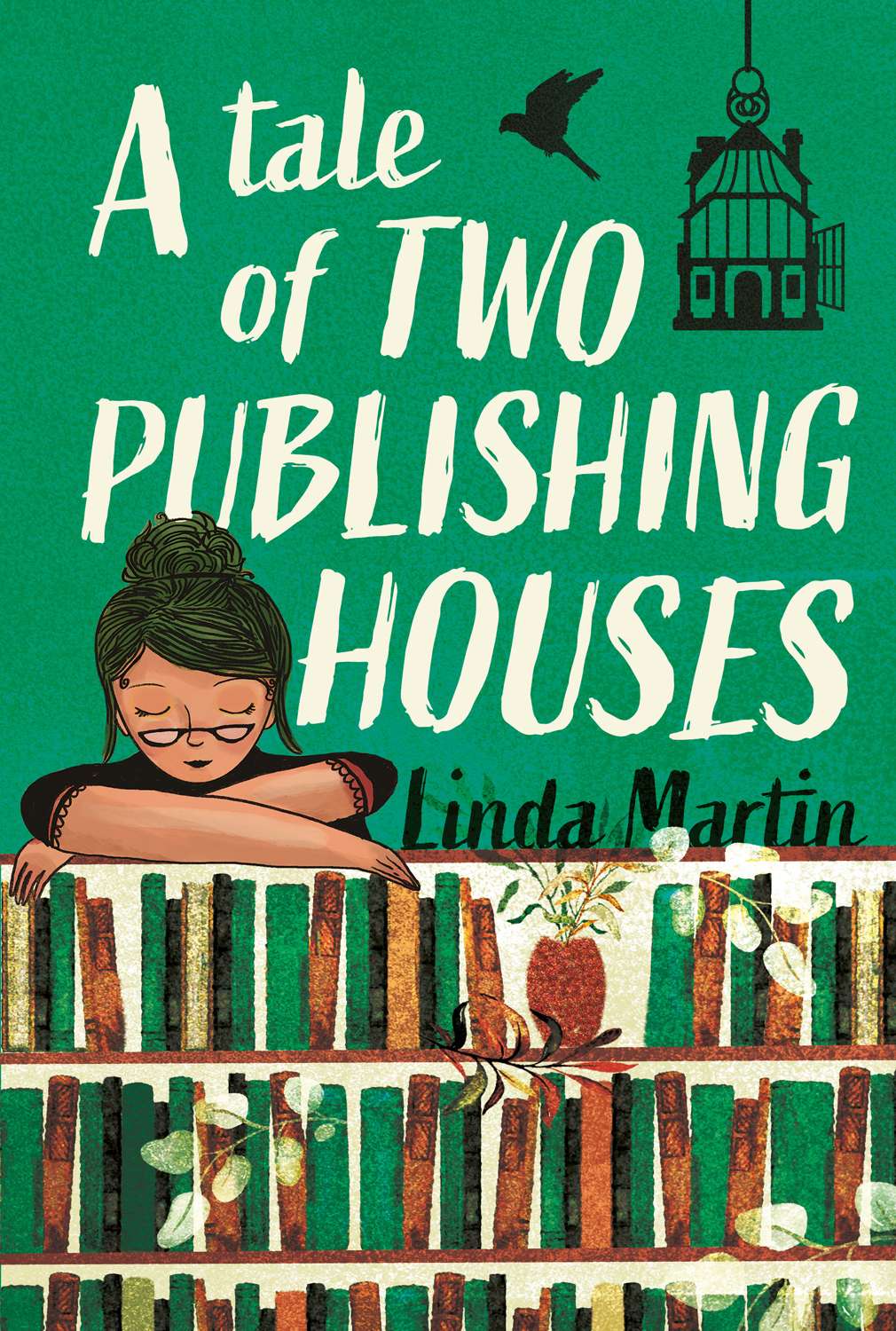
The interview with Clive Newman that follows, about the early days of Fremantle Press, is an extract from Linda Martin’s A Tale of Two Publishing Houses (Fremantle Press, 2026). Clive Newman worked for Fremantle Press from 1974 to 2014, starting as administrative officer and concluding as sales, rights and distribution manager.
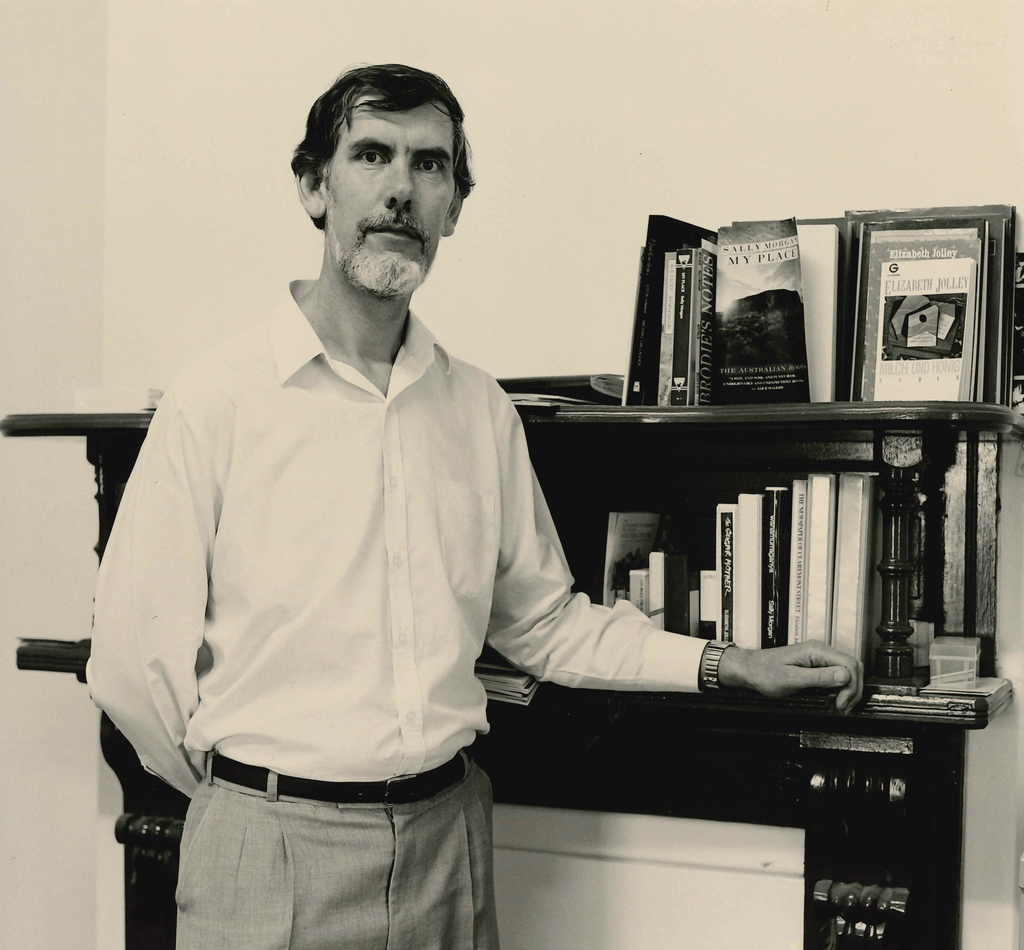
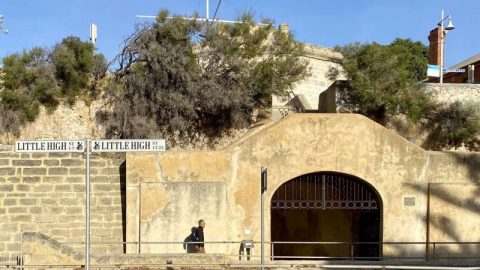
Outside in his courtyard, Clive’s stories about Fremantle Arts Centre Press roll off his tongue as effortlessly as a dandelion blowing in an easterly wind. He’s engaged and animated as he remembers the early days of the Press and how it all began, telling me of Ian Templeman’s proposal for the Fremantle Arts Centre and Ian’s early vision to run writing activities in the old gothic building.
‘Fremantle Arts Centre Press came at exactly the right time,’ Clive says. ‘Under the Whitlam government there was an explosion of interest in the arts broadly and, as far as publishing went, in literature specifically. So when Ian decided to explore the possibility of a publishing unit for the Arts Centre, he talked to Dr Terry – Teresa – Owen. She was a good talker, and she was very good at research and report writing. Terry came up with a very good feasibility study and report. And she wrote a very good public review. I think she responded really well to Ian’s enthusiasm for a publishing unit. The whole study was around not what was lacking in publishing, but what the possibilities might be.’
Terry had also been involved in drafting the mission statement for the Press:
To publish and promote to the widest possible audience the works of Western Australian writers and artists who may otherwise not be published by commercial publishing houses, and to record the cultural heritage of the State in a form that is easily accessible to the widest possible audience.
After Terry had finished her report, she told Ian that she wanted to apply for the job as manager and managing editor, and for the first two years, she took on those roles.
Up until then, most Western Australian authors were published abroad. Indeed, apart from a few academic novels and book-length creative works published by universities, overseas publication was standard for most Australian authors writing creative works before the 1970s. Then a number of Australian independent publishing houses emerged through the 1970s, including Currency Press, Wild & Woolley, Greenhouse, McPhee Gribble, Sybylla, Hale & Iremonger, Hyland House, Anne O’Donovan, and Sisters, as well as Fremantle Arts Centre Press.
‘The decision to appoint Terry was a very good one because she brought Tom Hungerford to the Press,’ Clive continues. ‘Terry was in the social set with Tom, who’d come back from New York where he’d worked as a press officer for the consul-general.’
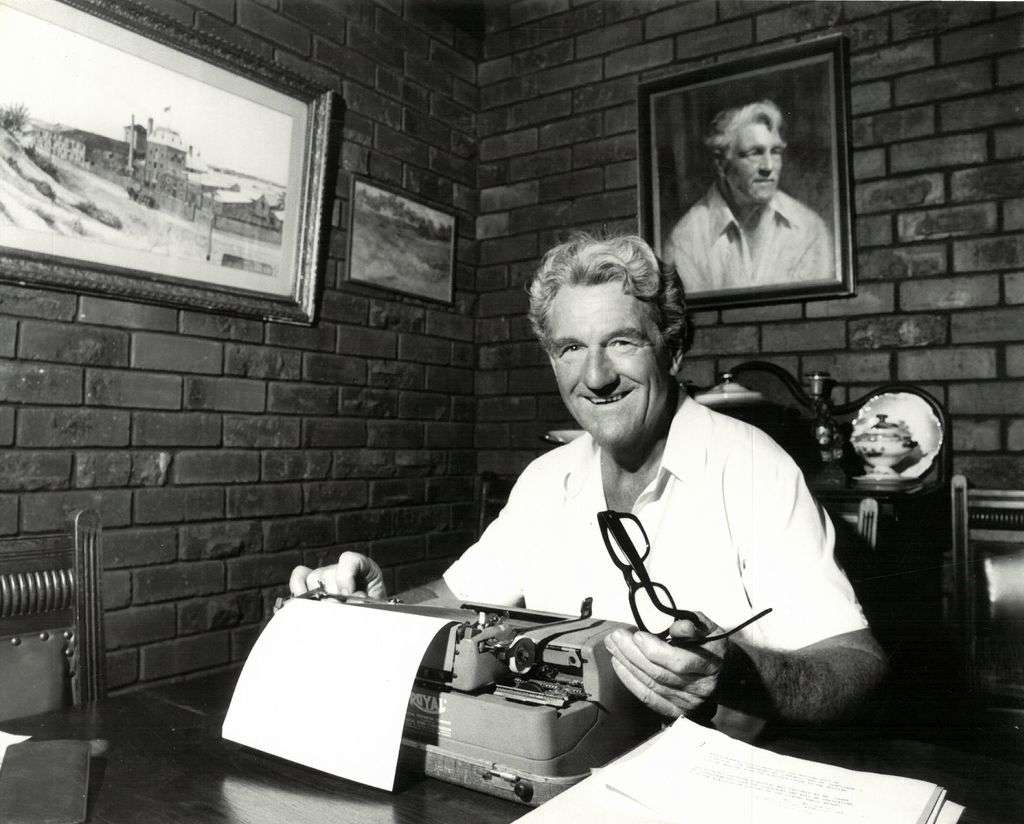
TAG Hungerford
TAG Hungerford, is a writer whose war stories had been published by Angus & Robertson in the 1950s and 1960s, and who had his first collection of short stories, Wong Chu and the Queen’s Letterbox, published by Fremantle Arts Centre Press in 1977. Today, the Hungerford Award for a first manuscript offers a cash prize and publishing contract with Fremantle Press.
The focus on literature was there from the early days. Clive says, ‘We had people come through the Arts Centre on Saturdays and Sundays, and there were big crowds with the exhibitions, and then of course this used to follow up on the first day of enrolment with the three terms and a summer school. And that’s where all that grew from; and Elizabeth Jolley was wonderful with her championing of courses. She had a cult fan club from very early on.’
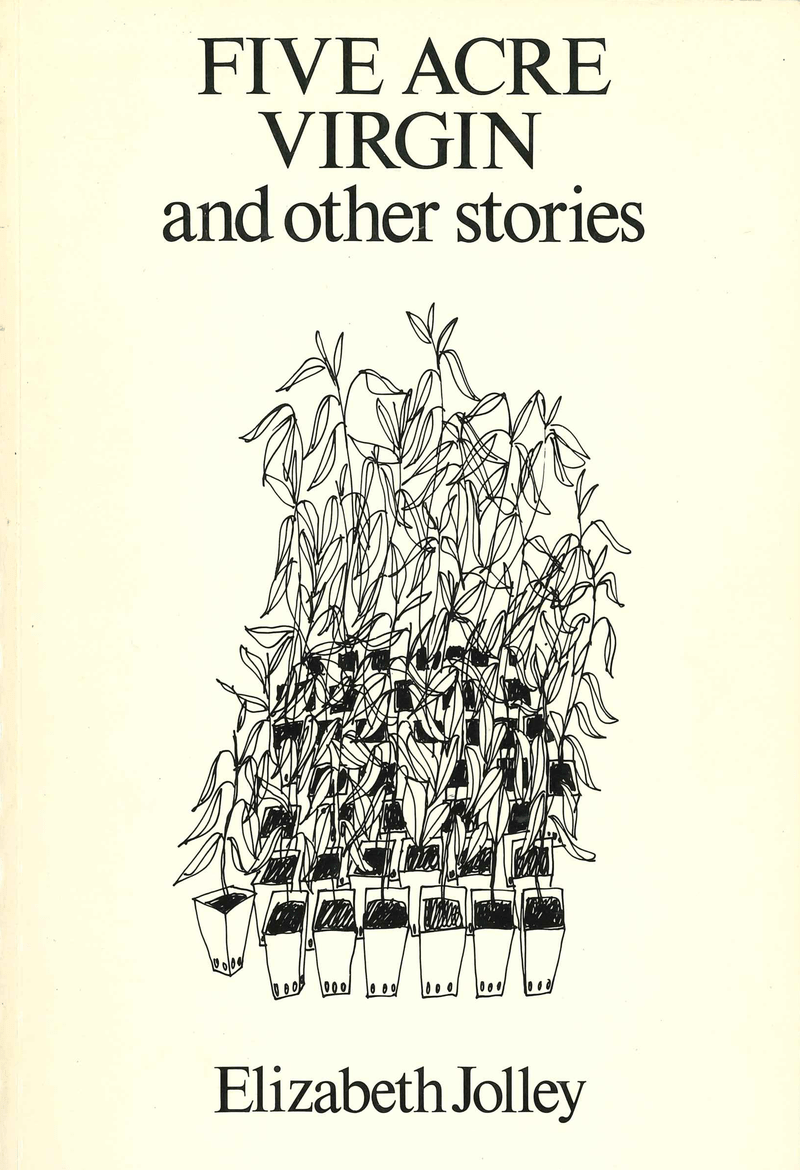
Ian Templeman had invited Elizabeth Jolley to give a class on ‘the art of the short story’. She was a lean, angular woman, very sharp, intelligent and restrained, whose fiction contained darkly funny characters. She wrote of this time in the 1970s:
The air there always seems lighter in quality and fresher, I suppose because it is coming from the sea. There is a tree in the courtyard on the right of the path and the leaf and branch shadows make a fantastic and tremulous pattern on the walls. For a long time an owl sat in this tree. This elation I mention comes from something more than the physical building and its position. … Perhaps it comes in part from the reasons why people want to be there, perhaps because of the ways in which they can express themselves through the various crafts which inhabit the rooms. If people are going towards something they want to do very much, a secret intangible excitement is generated and perhaps it is this which is a part of the magic.
It was a natural progression when, in 1975, Ian Templeman announced the proposed establishment of Fremantle Arts Centre Press. It was initially called Centrepress but later changed, as the name was very similar to that of another organisation already operating in Perth.
‘And then suddenly there was going to be this literary publisher in Perth,’ Clive says. ‘And Ian was talking to the Arts Council, suggesting, “Hey, if you put some of that money across for literature, that’d be really good.” And they’d do that, and he’d apply for a grant and get it. Ian was very, very good at that kind of thing.’
Ian had also followed up on Western Australian premier Charles Court’s 1974 promise that, if re-elected, the state government would establish a literary fund for Western Australian writers. Premier Court was re-elected, and the Western Australian Literary Fund was put in place under the care of the Western Australian Arts Council.
‘Ian was appointed as manager,’ says Clive, ‘and, with his vision, it all turned very quickly into a nationally recognised body. He was manager, he was director, and the rest grew from there. And the publishing unit grew in the same way.’
The City of Fremantle was concerned about the possibility of any potential libel directed at the publishing house. So the Press separated from the City to become a not-for-profit incorporated entity, overseen by a board of directors.
Ray Coffey joined the team as managing editor towards the end of 1978. Clive says, ‘What swung it for Ray was his youthful enthusiasm. In his interview, Ian said, “Tell me what you think we could improve.” It was like an invitation. So Ray said, ‘Well, your covers are all wrong.’ But it wasn’t acrimonious, he just said, “You need to move on.”’ Ray’s view was that the Press’s early books were very sweet but needed to fall in line with the look of other books in the modern book trade.
Ray took much more immediate responsibility for the development of the Press and the manuscripts coming in, which, Clive says ‘were growing and growing and growing.’
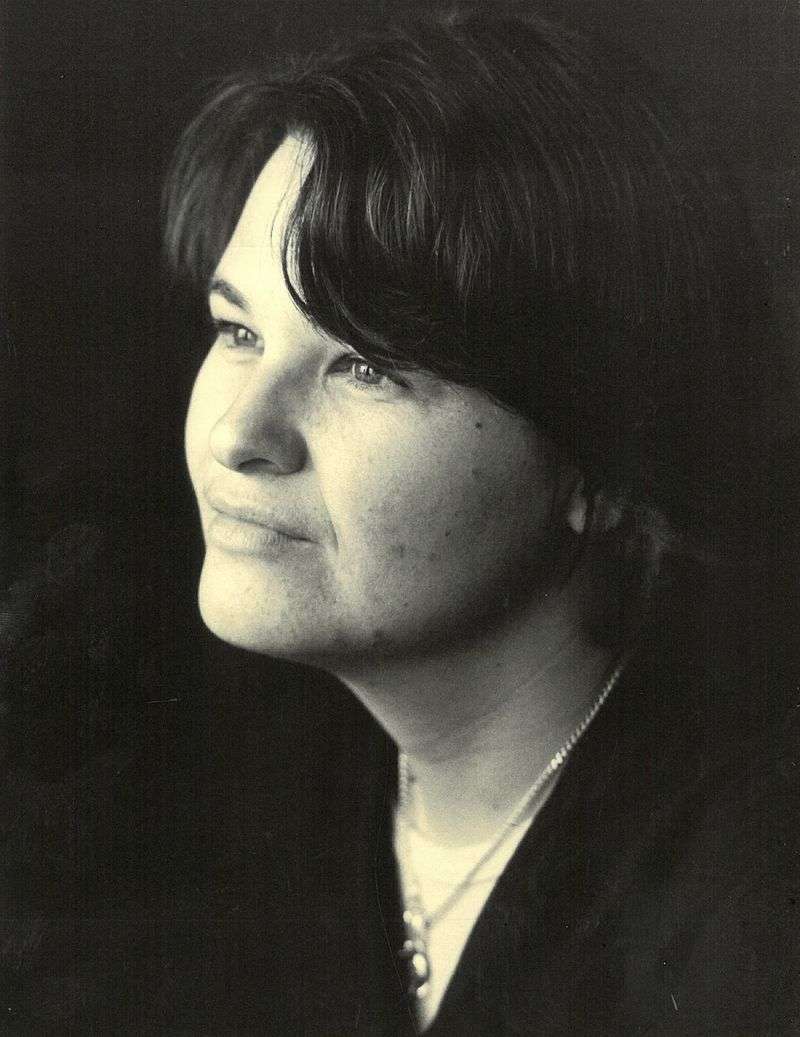
Wendy Jenkins
In 1979, Ray invited young poet Wendy Jenkins to read manuscripts, and both she and Ray discovered she possessed a strong talent as an editor and a reader. Wendy would stay with the Press as an editor, mentor and authorfor another four decades, and she and Ray would edit such foundational classics as AB Facey’s A Fortunate Life and Sally Morgan’s My Place.
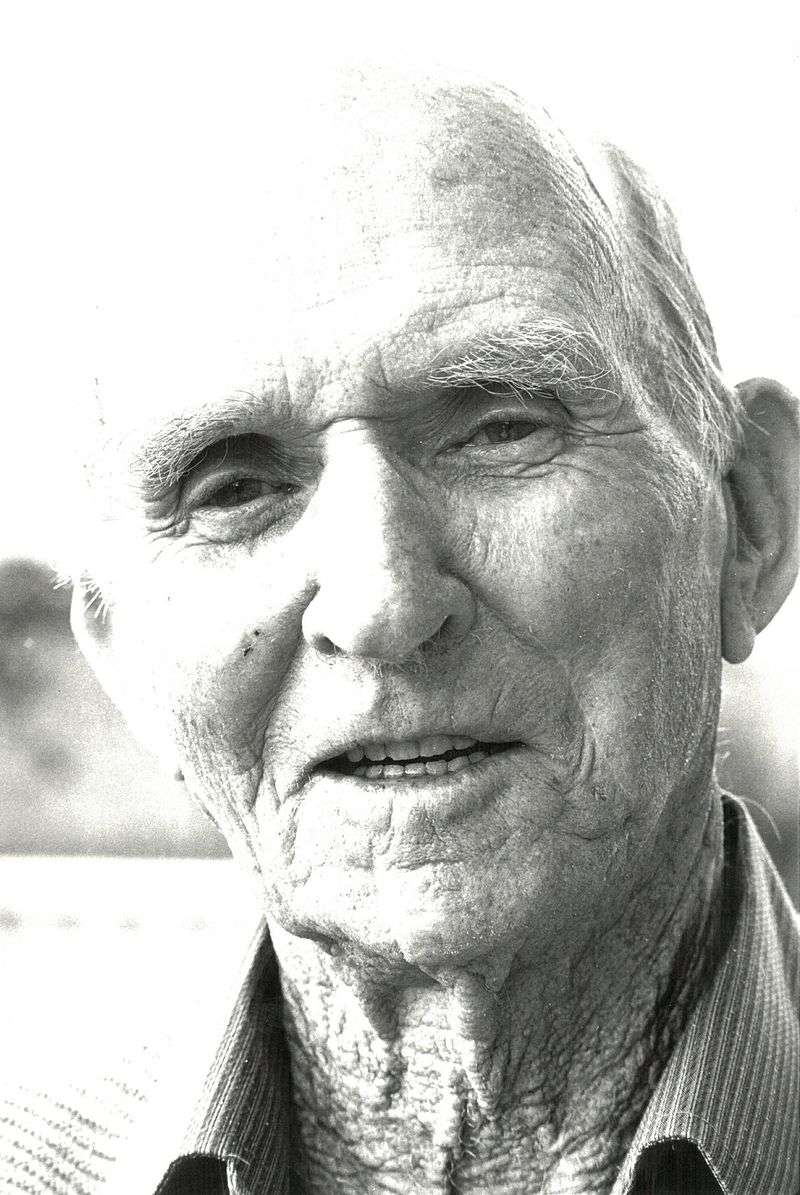
AB Facey
Clive ends the interview my telling me that there have been a number of things crucial to the survival of the Press: the absolute die-hard commitment of the staff and of honorary board members, and the willingness of authors of quality material to put their trust and their work into Fremantle Press.
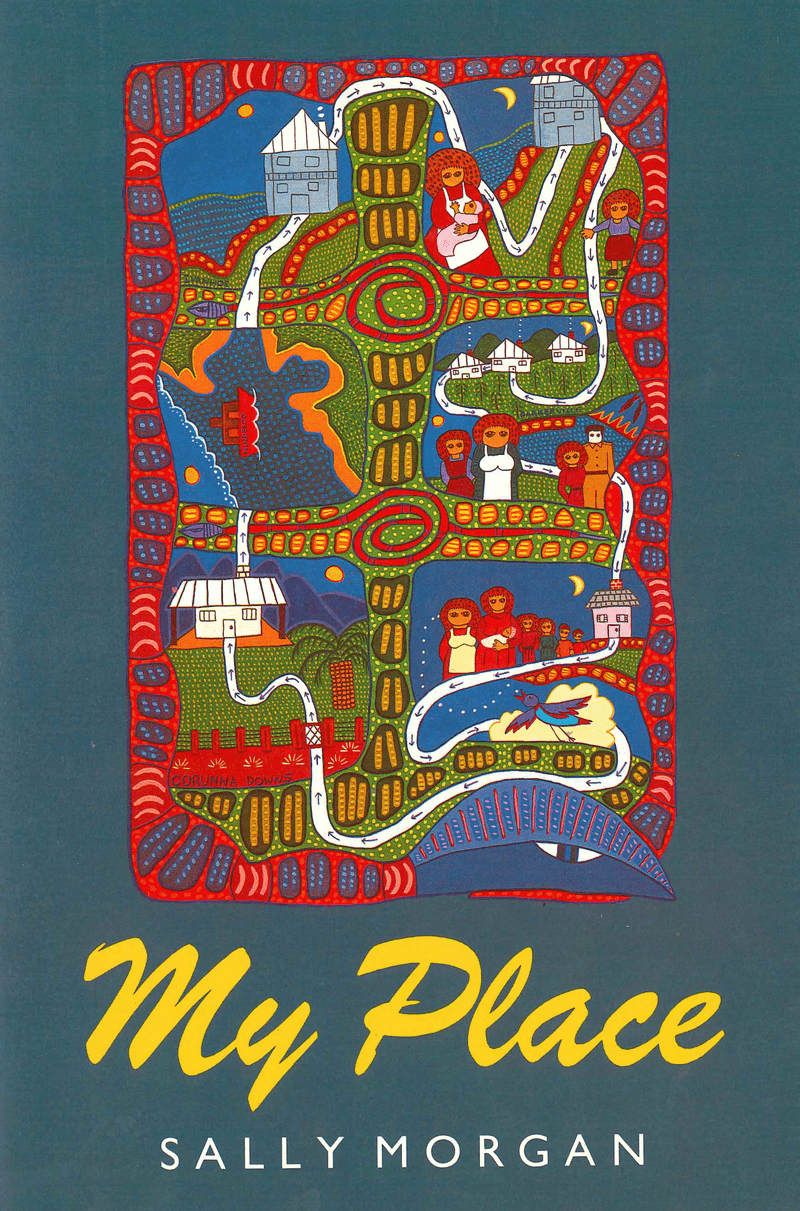
They were auspicious beginnings for a publishing house that in 2026 is celebrating its 50th year, and still has the same mission statement – to nurture and develop the careers of Western Australian writers and bring their work to readers across Australia and beyond.
Join Fremantle Press on 24 April for their Open Day. Guided tours are available by gold coin donation, commencing from 9.45 am at 1/10 Parry Street, with the last tour ending at 1.45 pm. Fremantle Press books and merchandise will also be on sale throughout the day. The industry day program consists of three panels taking you behind the scenes of publishing.
View the program and book your tickets right here via the Fremantle Press Humanitix
~ If you’d like to COMMENT on this or any of our stories, don’t hesitate to email our Editor.
~ WHILE YOU’RE HERE –
PLEASE HELP US TO GROW FREMANTLE SHIPPING NEWS
FSN is a reader-supported, volunteer-assisted online magazine all about Fremantle. Thanks for helping to keep FSN keeping on!