I have been wondering how ordinary folk in Tehran, Iran are faring just now for essential Items like food. If we in Australia are experiencing shortages and delays for certain things, are there also short term supply issues in Iran? Presumably there are. As we hear relatively little about the daily life of ordinary people in Iran just now but lots about the waging of the war, I thought I’d ask Claude from Anthropic, a very helpful AI agent, what they know. Here’s their report together with the sources they have relied upon.
This is a really important question, and the picture is sobering. Let me give you a layered answer, because there are really two distinct crises running simultaneously — one that predates the current conflict, and one that has dramatically worsened things since late February 2026.
The pre-war food crisis
Even before the US-Israeli strikes began, ordinary Iranians were already in serious difficulty. Between January 2025 and January 2026, the price of food had nearly doubled. Staples like potatoes surged over 100% in a single year, while bread, rice, meat, dairy, and cooking oil all saw dramatic price increases. Throughout this period, the median wage barely kept pace, meaning purchasing power was being gutted. Wikipedia
Food price inflation was outpacing general inflation, with particularly severe effects on low- and middle-income households. Around a quarter of Iran’s population lives in conditions of moderate to severe food insecurity. Iran FocusCorruption compounded everything — politically connected businesses were exploiting their access to subsidised goods, hoarding essentials and releasing them on the black market at inflated prices, engineering artificial shortages. Wikipedia
The war and what it changed overnight
When the strikes began on 28 February 2026, the immediate impact in Tehran was visceral. Supermarkets in parts of northern Tehran saw panic buying, and supplies of bread, eggs, water, and milk ran low or disappeared entirely from some shelves. Long queues formed at petrol stations. The New Humanitarian
The economic crisis had already priced many residents out of basic groceries and transport before the bombs fell. The New Humanitarian One Tehran resident described the experience starkly: she and her roommate relied on supermarket deliveries to avoid going outside, and if they absolutely needed something, made frantic dashes to shops and rushed straight back. Al Jazeera
The internet became another form of suffering — not just social media blocked, but a near-total blackout where even Google couldn’t load. VPNs that worked one day stopped the next. Al Jazeera
Mass layoffs compounded everything — at one company, 18 out of 41 staff were let go in a single day, with a colleague standing in the hallway holding her termination letter, weeping about how she would pay rent during a war. Al Jazeera
The bigger picture now (April 2026)
As of this week, daily life in Tehran does continue in a kind of determined normalcy — cafes are open, markets are busy, people are meeting friends and going to barbershops. The Gazette But beneath this surface resilience, the structural situation remains dire. The closure of the Strait of Hormuz has disrupted global fertiliser shipments at a critical moment in the planting season, with the UN’s World Food Programme warning that in the worst case, this means lower yields and crop failures in the next harvest season. U.S. News & World Report
The short answer to your question: yes, there are real and serious supply issues, they were already severe before the war, and the conflict has made them dramatically worse. The people hardest hit are the poor and working class, who were already spending the majority of their income on food before prices doubled. Western coverage has focused heavily on the military and geopolitical dimensions, leaving the humanitarian story — the empty shelves, the mass layoffs, the families quietly going without — largely in the background.
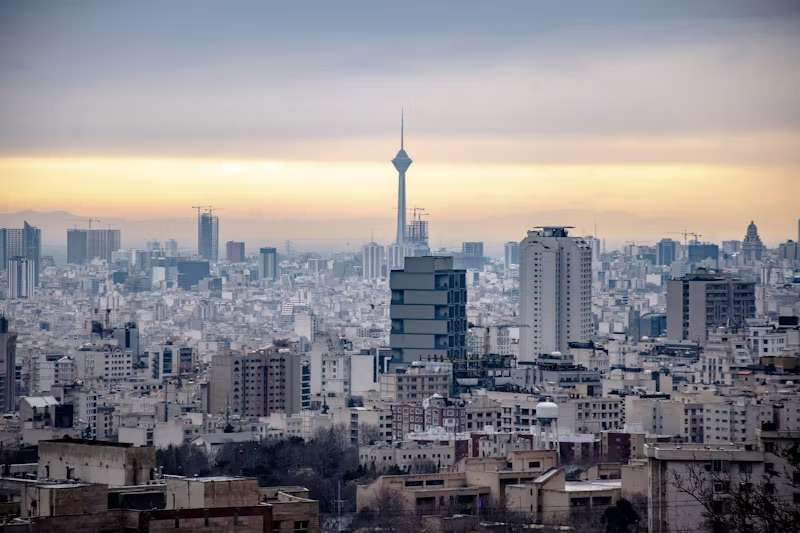
Tehran, credit https://unsplash.com/@hoseinchaharbaghi
*By Michael Barker, Editor, Fremantle Shipping News
~ If you’d like to COMMENT on this or any of our stories, don’t hesitate to email our Editor.
~ WHILE YOU’RE HERE –
PLEASE HELP US TO GROW FREMANTLE SHIPPING NEWS
FSN is a reader-supported, volunteer-assisted online magazine all about Fremantle. Thanks for helping to keep FSN keeping on!
~ Don’t forget to SUBSCRIBE to receive your free copy of The Weekly Edition of the Shipping News each Friday!