Tim Slater loves newspapers. The ones you can hold in your hands and finish up with ink smudged on your fingers. And wrap fish and chips in. And pack the crockery in when you move house. He has just spent 5 weeks poring over newspapers, old and newer, national and local, in England and Scotland. He loved every minute. Here’s his homage to newspapers.
I love newspapers. They have been central to most of my life – after publishing my first newspaper as a teenager back in the 1970s covering the news of my local street in Esperance – and yesterday I returned from five weeks of newspaper heaven, driving through the home of newspapers, England and Scotland.
I have enjoyed reading national and local dailies and am still in awe at the skill and dedication it takes to produce and distribute them after being an avid newspaper consumer and then working in the WA newspaper industry for more than 25 years before I retired in 2018.
Every day during my trip, with my patient wife Sharon, the first task for the day was to locate the nearest newspaper stand. And that’s not easy these days. Not surprisingly the number of outlets has declined with the shift to digital media. But I was determined to find them, usually at petrol stations – some, not all – and convenience stores. Again, some, but not all.But my go-to stores in England were Tesco Express and WH Smith – the Paddington Station store in London was awesome, with soooo many papers to choose from – and in Scotland the Co-op retail stores. I’m a newspaper addict and I tried to limit my daily purchases to one or two. But, like a kid in a candy store, it was hard to resist all the publications on offer, ranging from broadsheets including the Daily Telegraph and Financial Times and weekly Sunday Times – I wish The Times was still a broadsheet – to the tabloids like The Mirror and the Sun. I only bought a couple of red-tops as my reading preference is for the broadsheets. On most days I ended up with about three nationals, trying to alternate between them on different days, and whatever local papers were available. I was out of control!
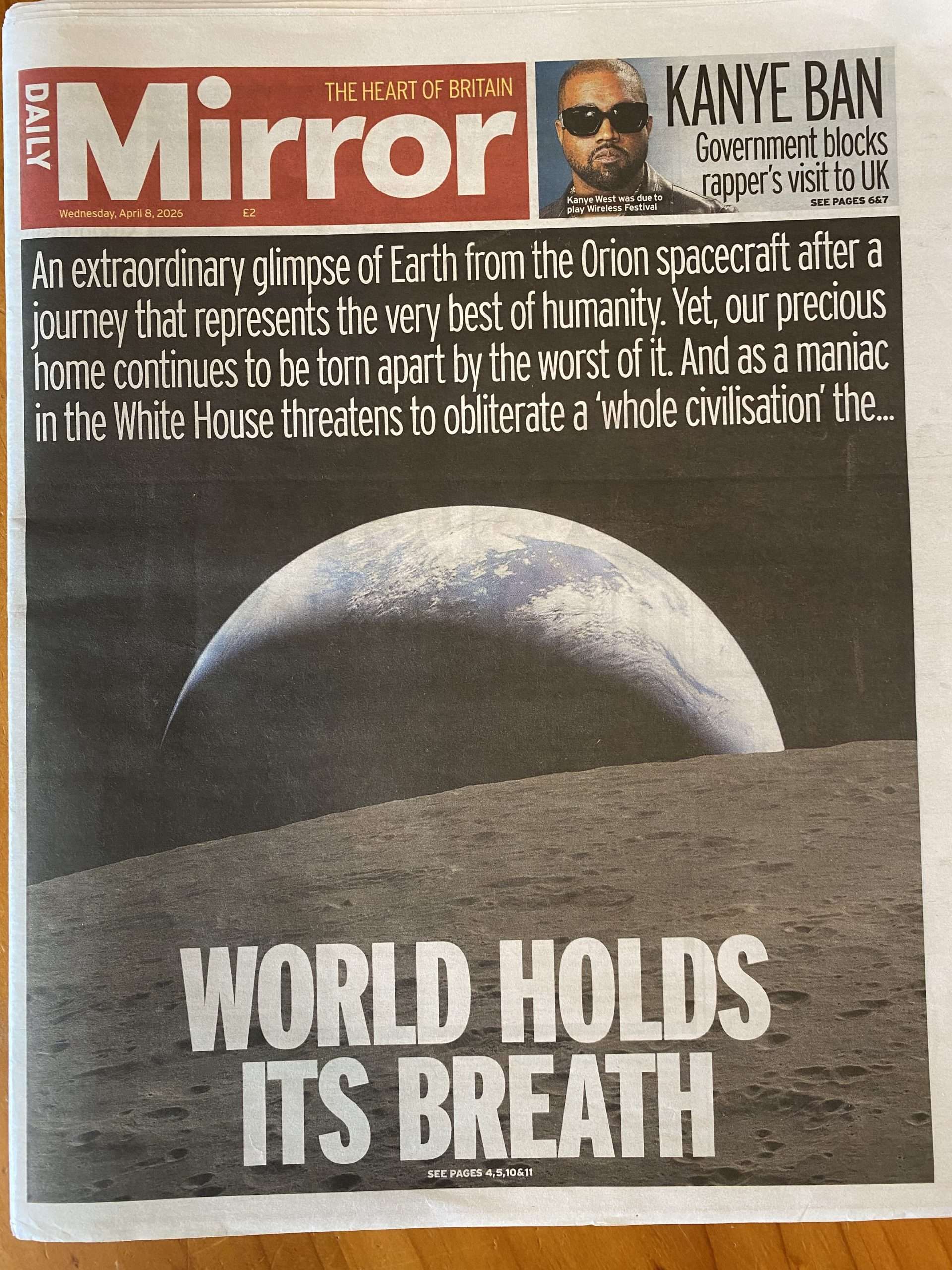
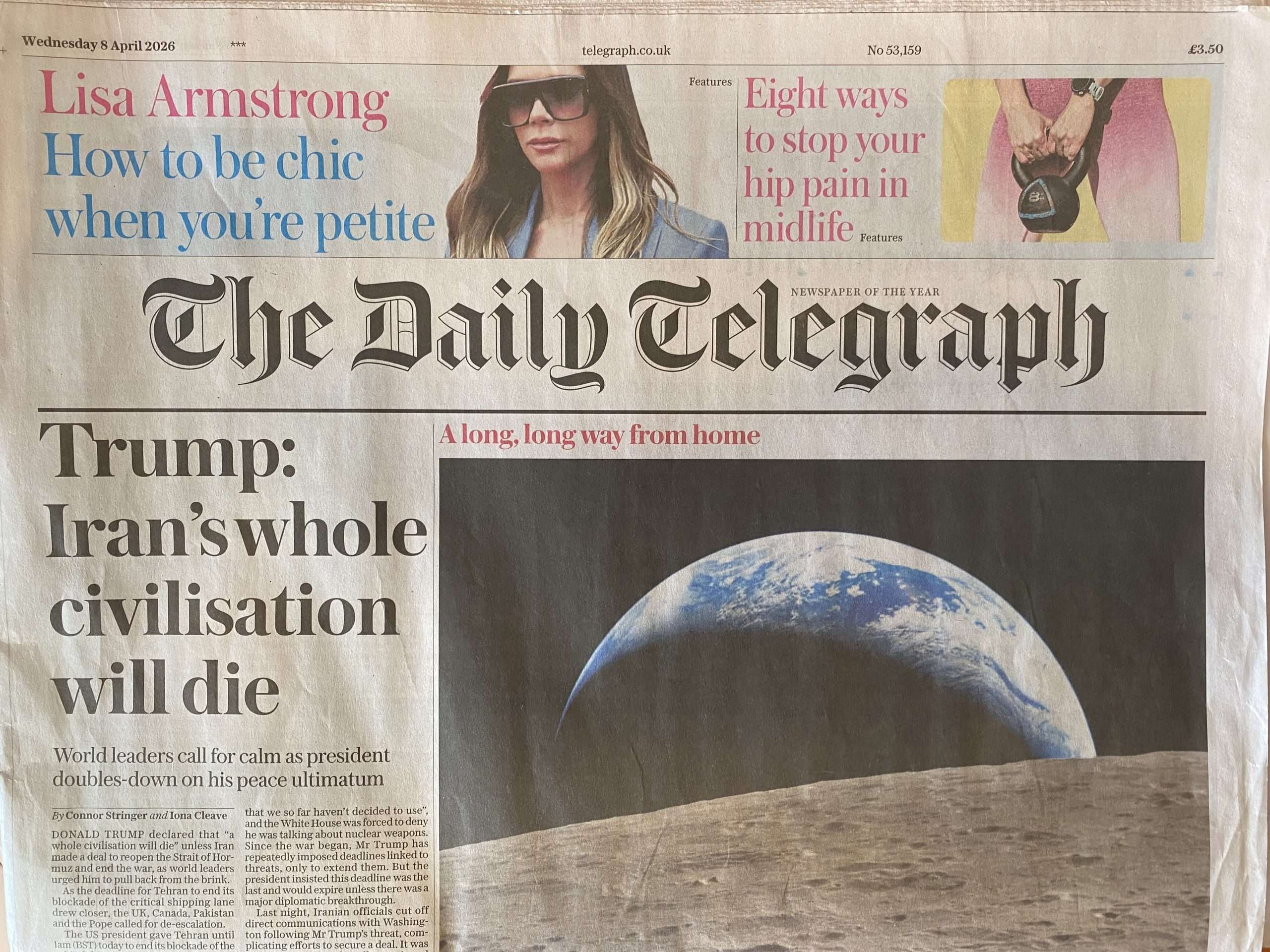
Among the other titles I bought were the Falmouth Packet dating back to 1858, the Tiverton Gazette – “proudly serving Mid Devon for more than 150 years”, The Cornishman, The Bath Chronicle, The Courier– Perth’s daily newspaper in Scotland, The Inverness Courier and the York newspaper, creatively called The Press. But the paper with the best title was undoubtedly The Keswick Reminder, established in 1896 and the typeface looks like it hasn’t changed much since then!
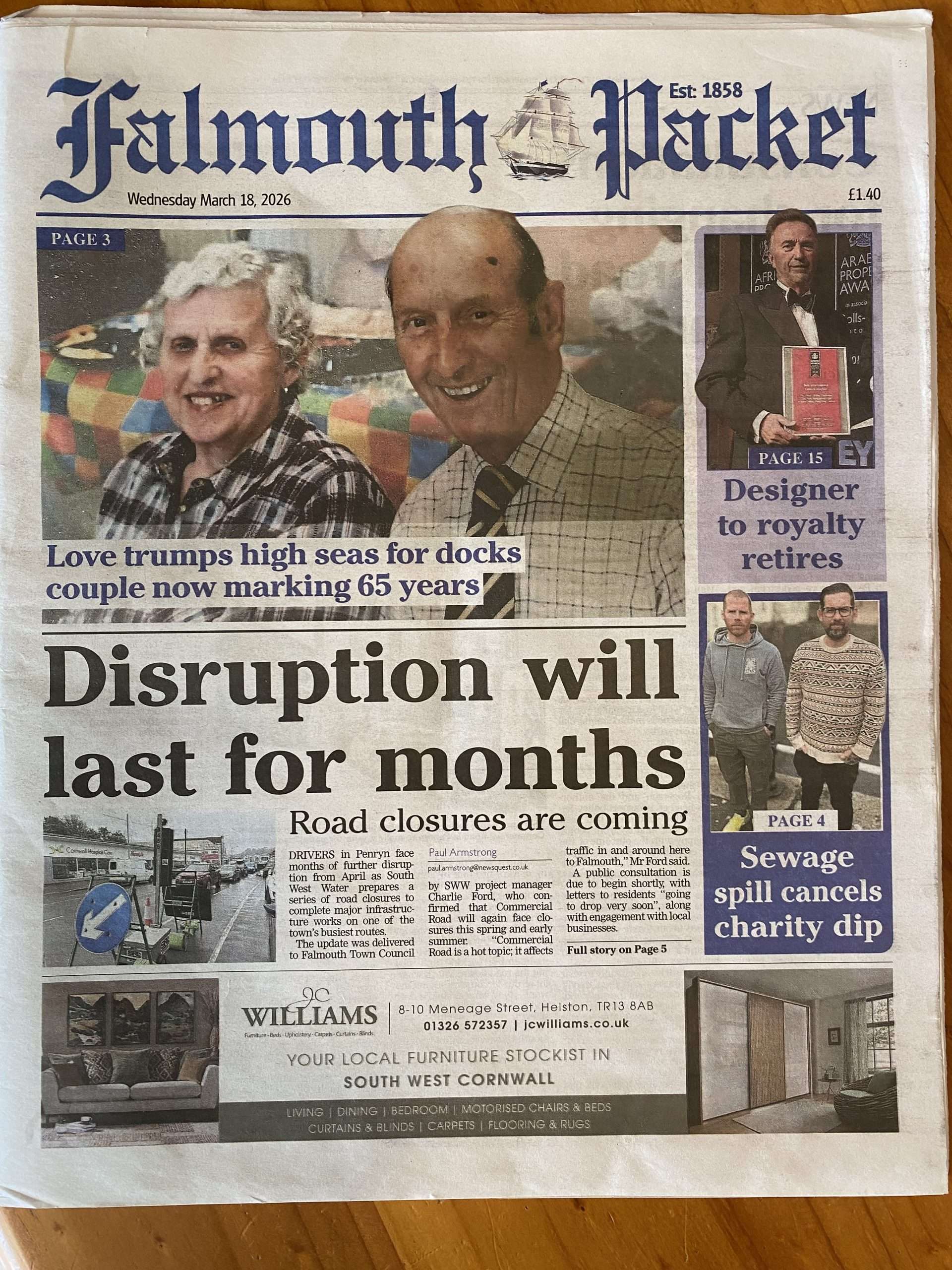
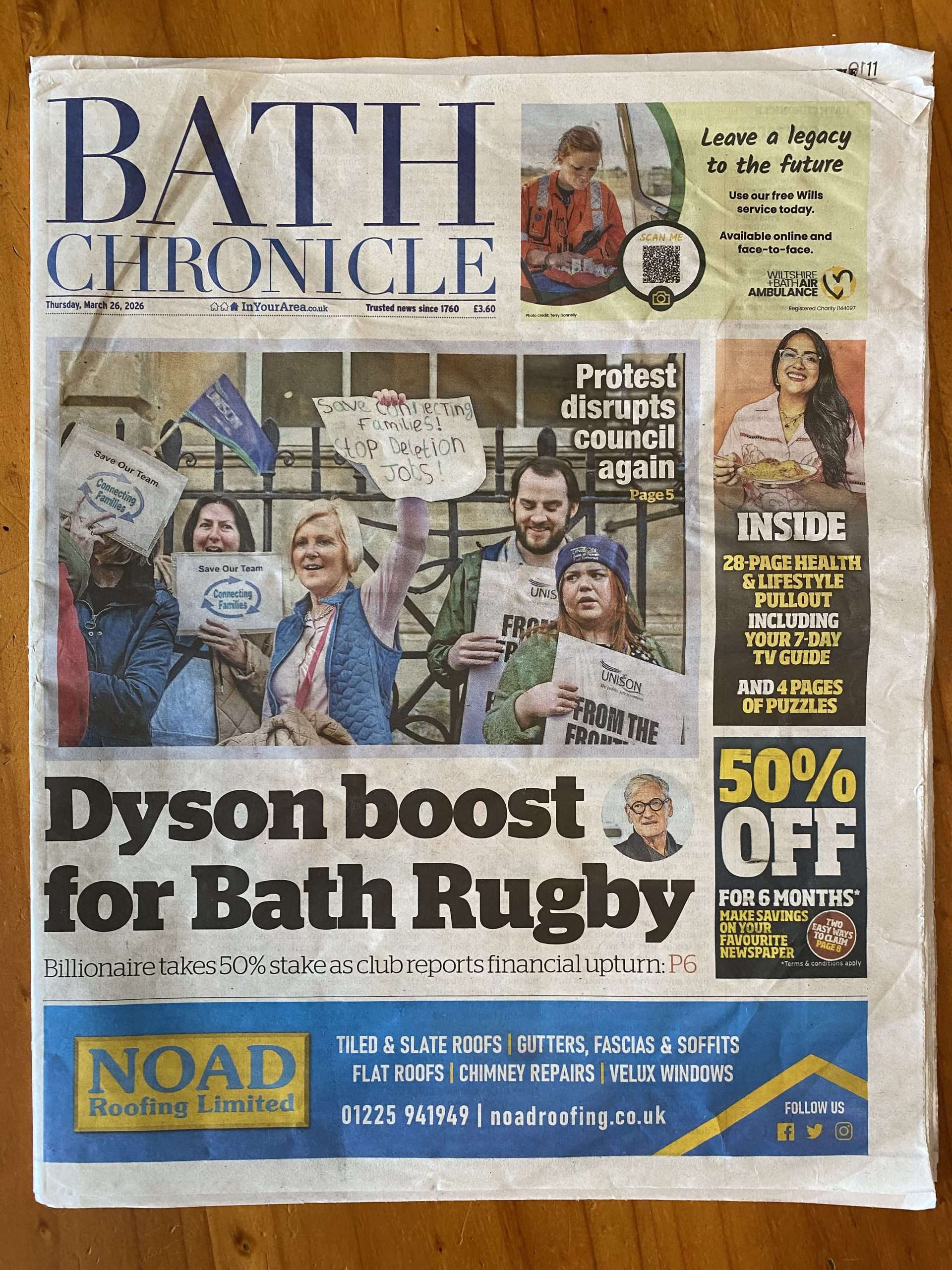
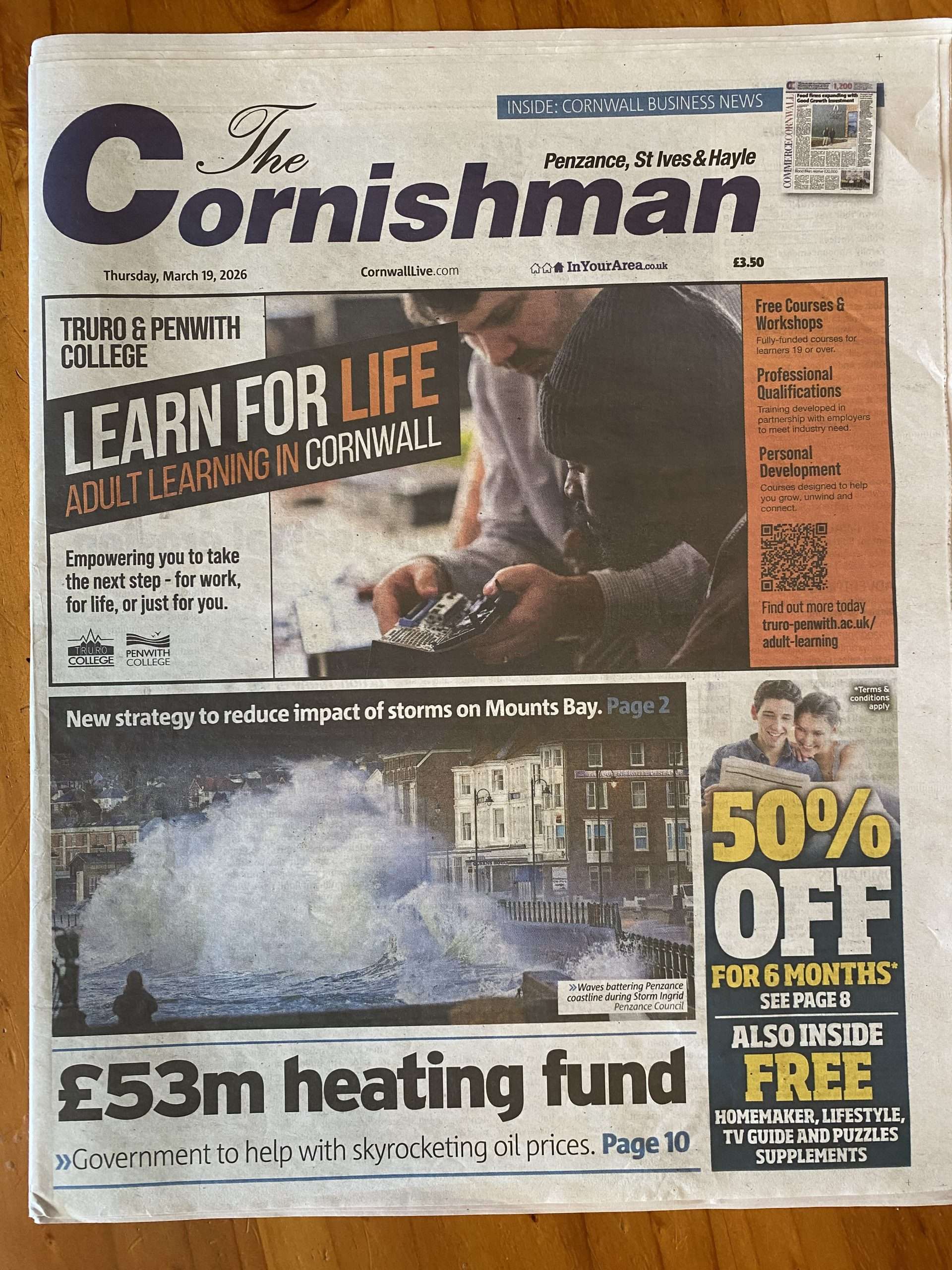
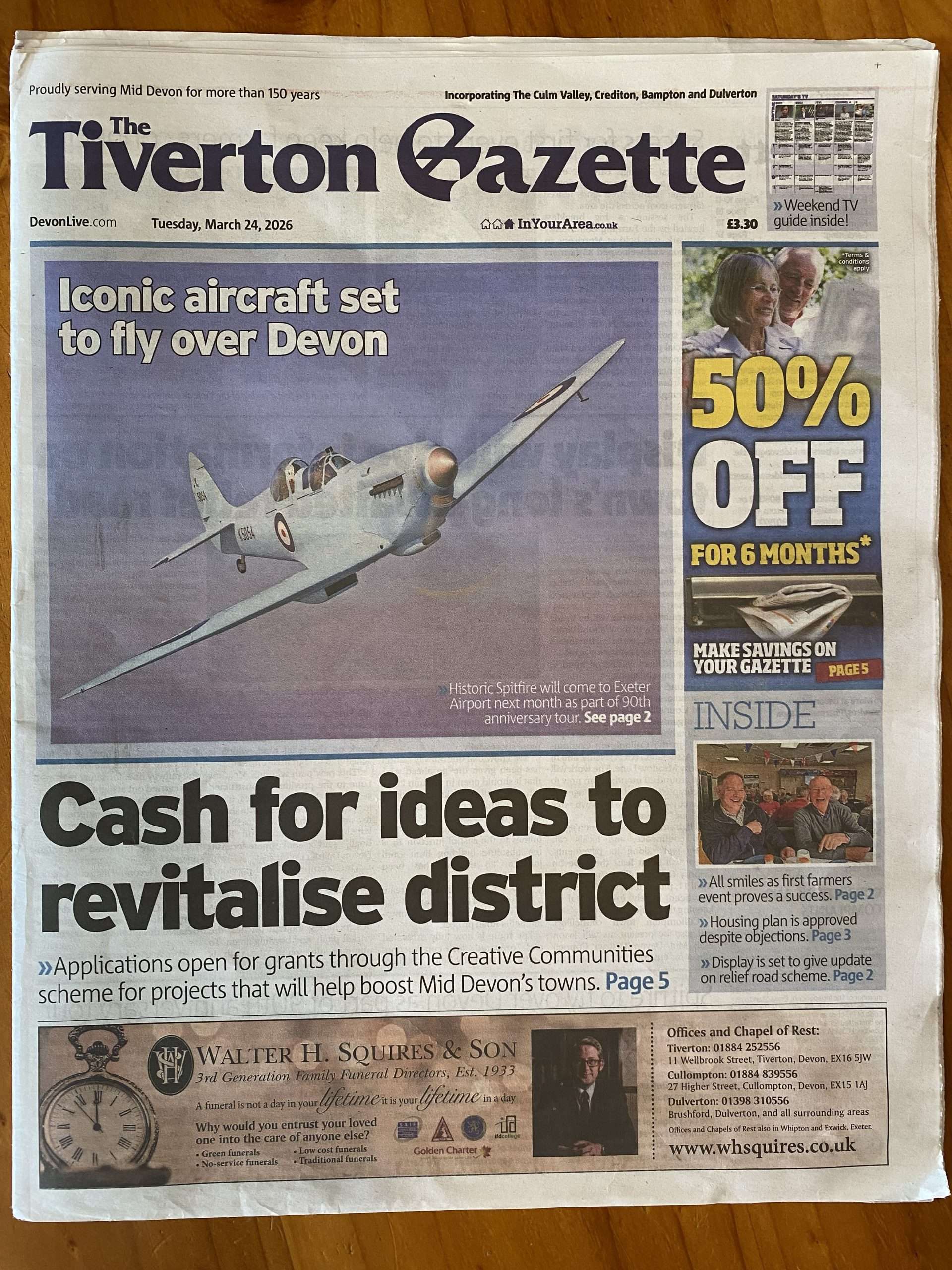
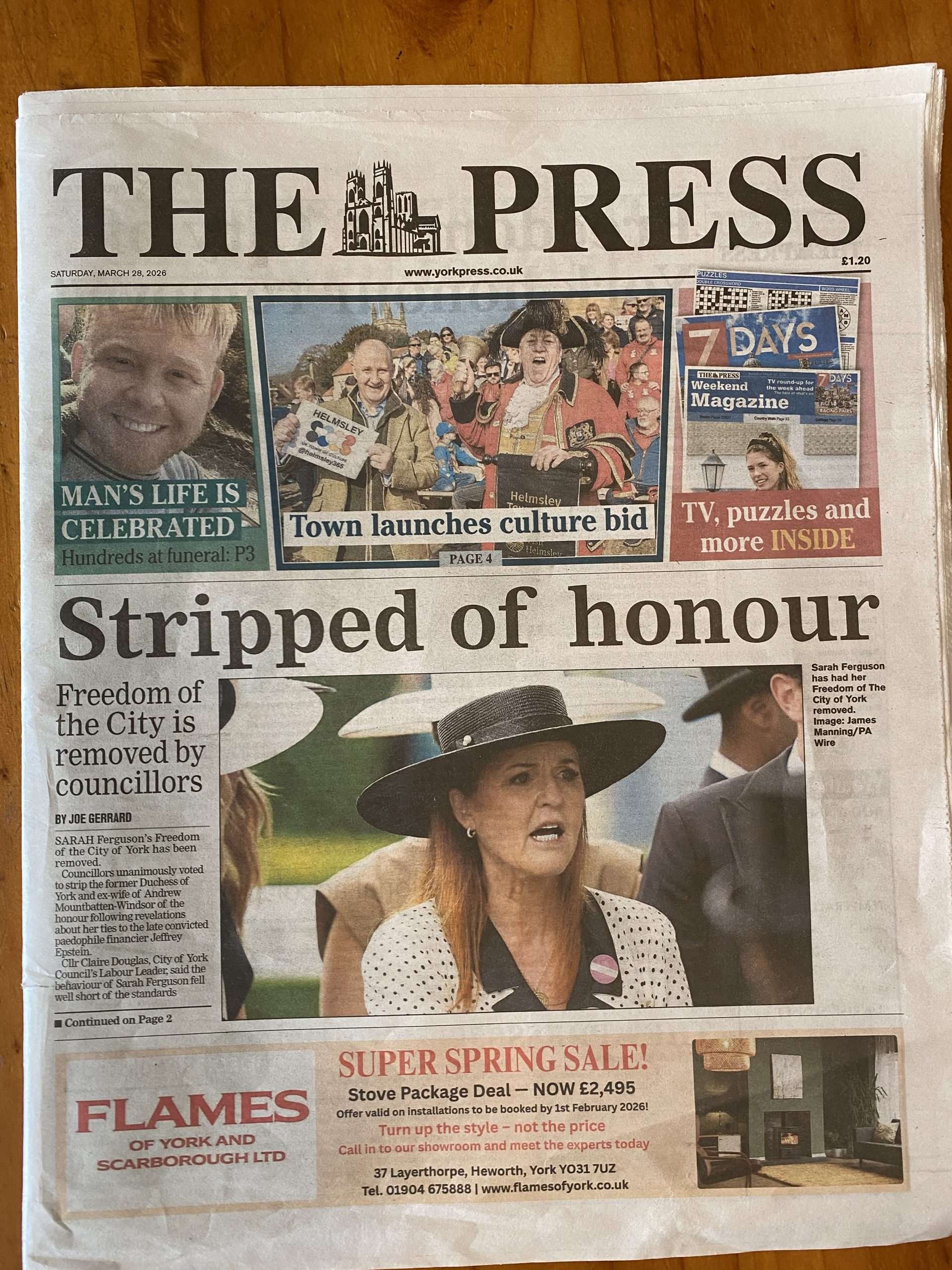
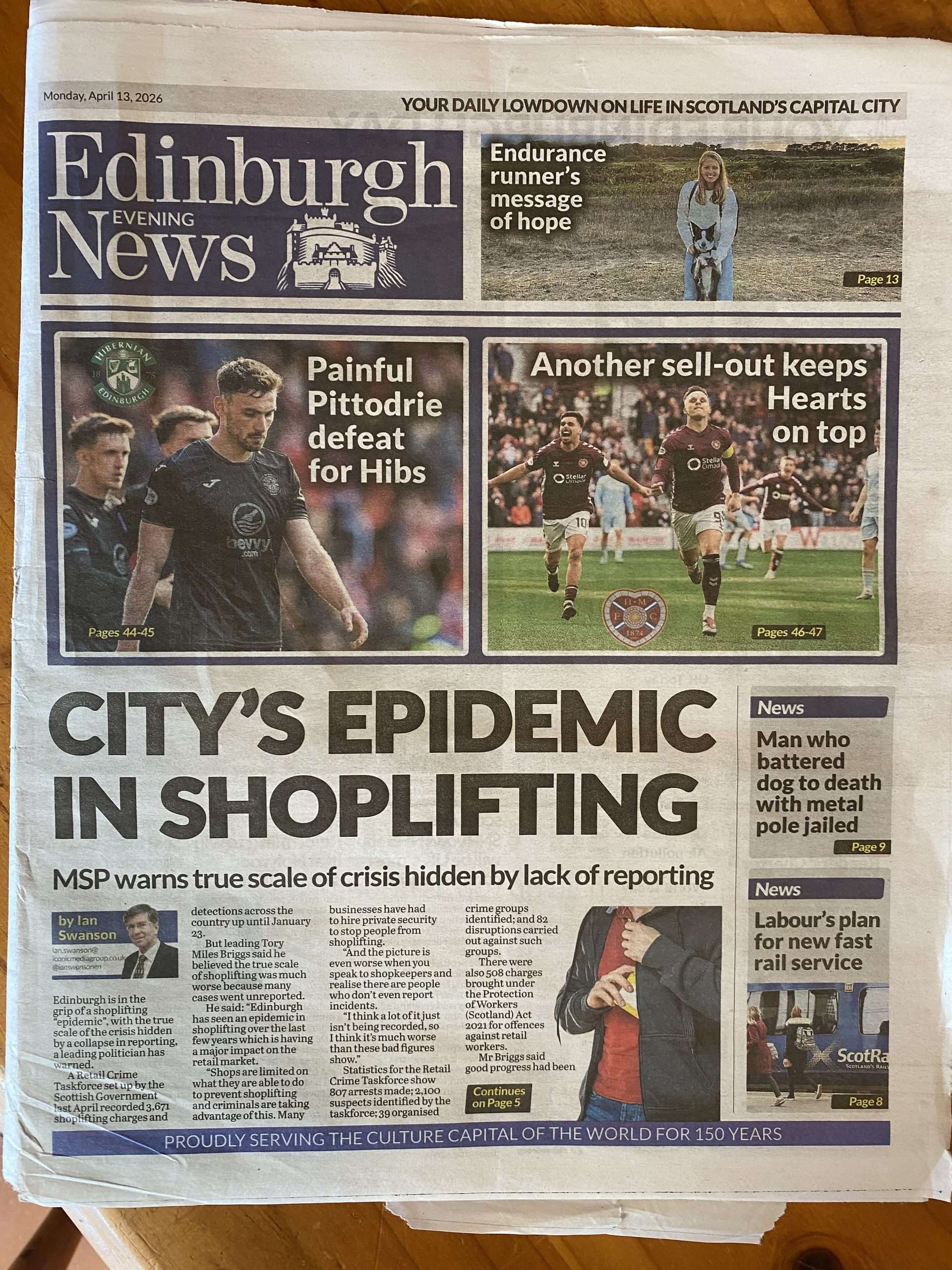
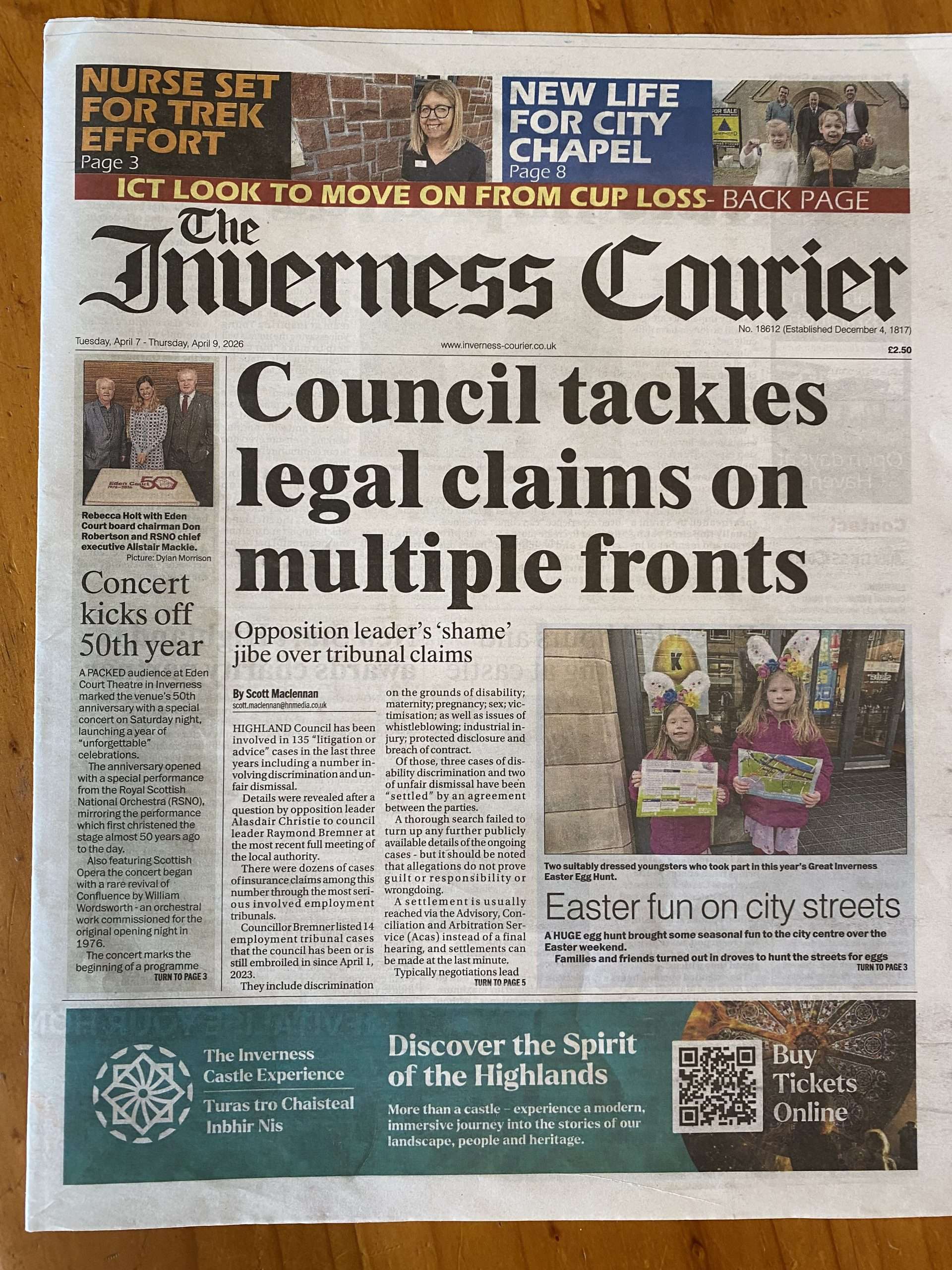
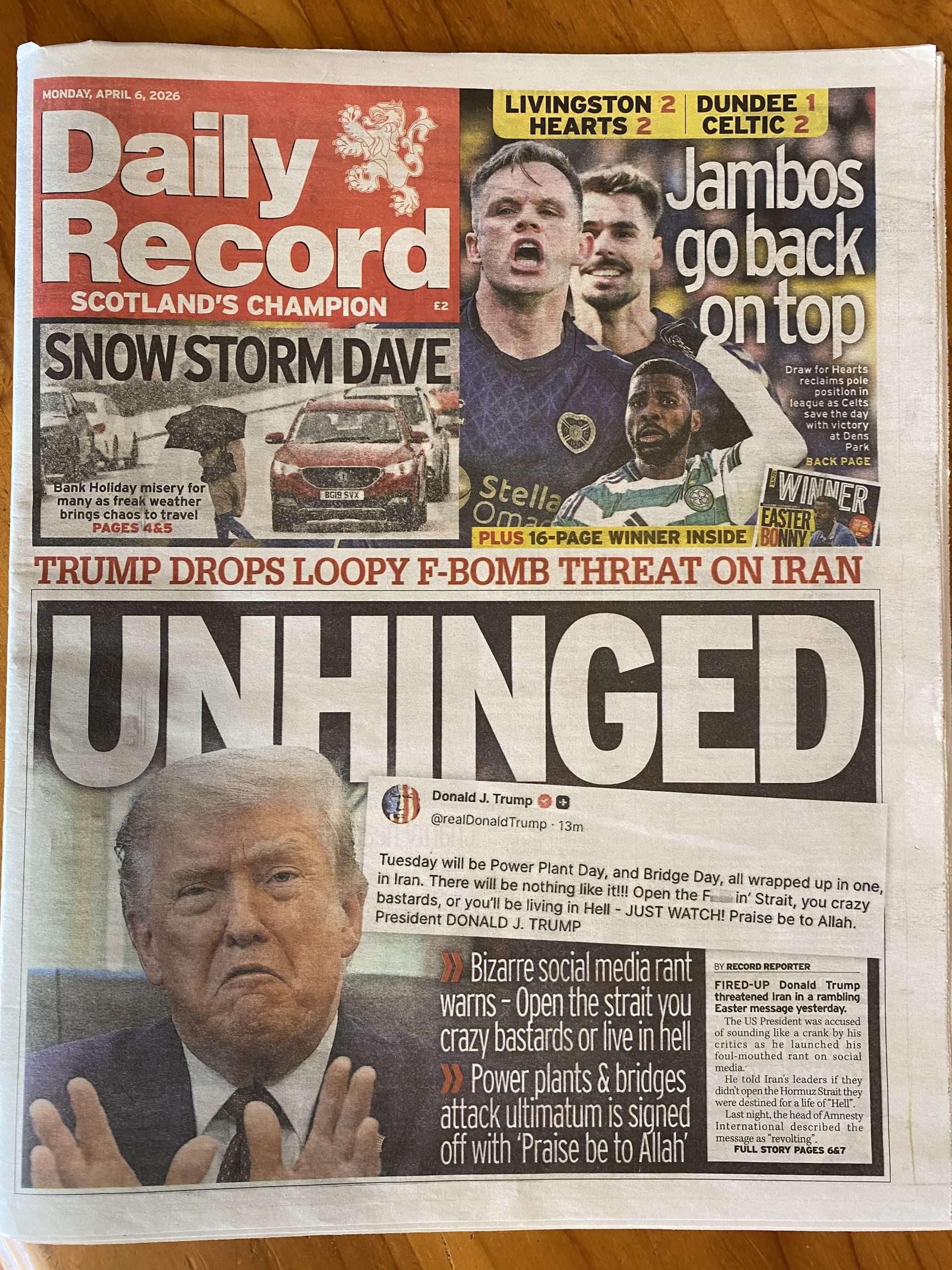
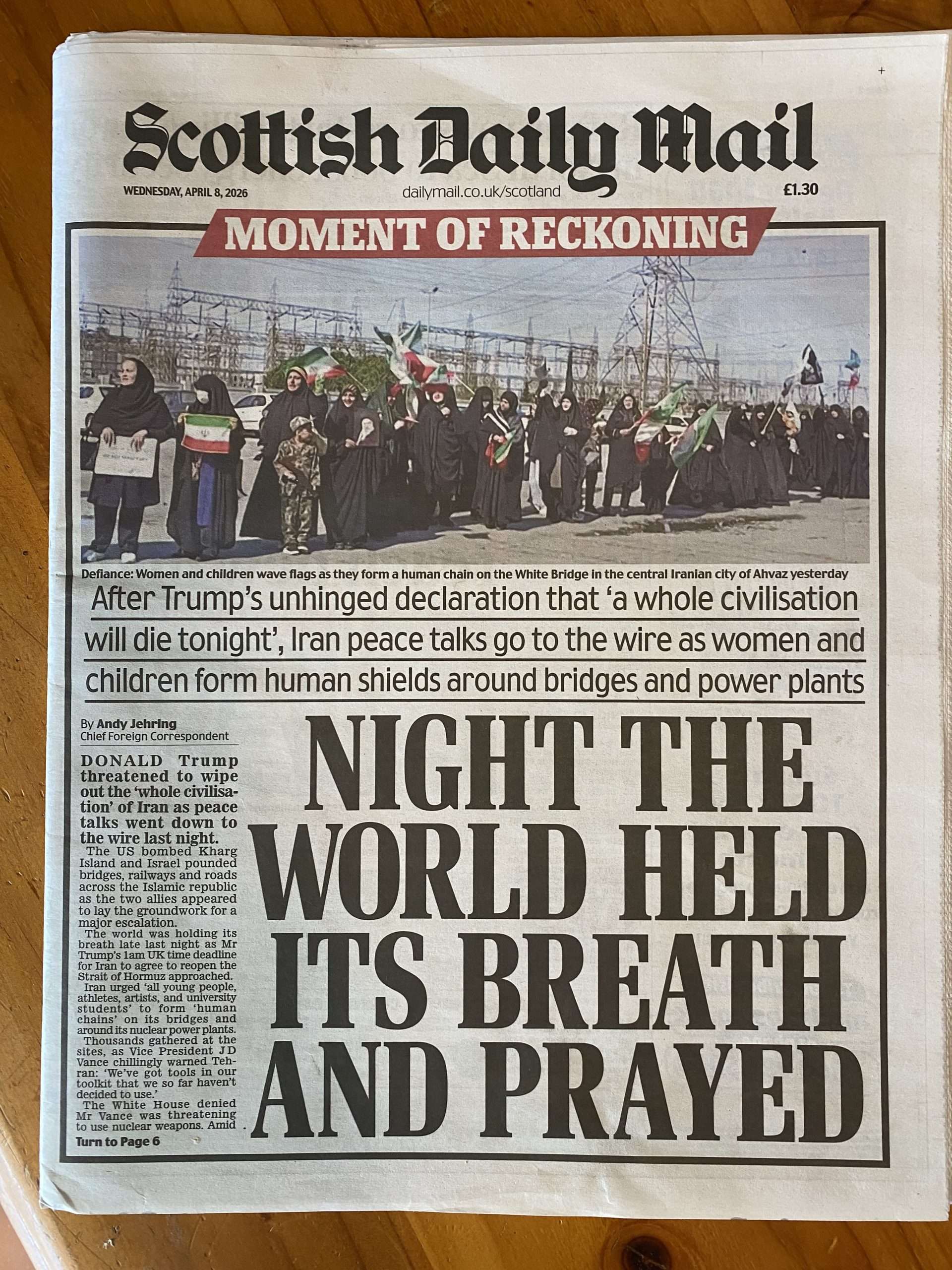
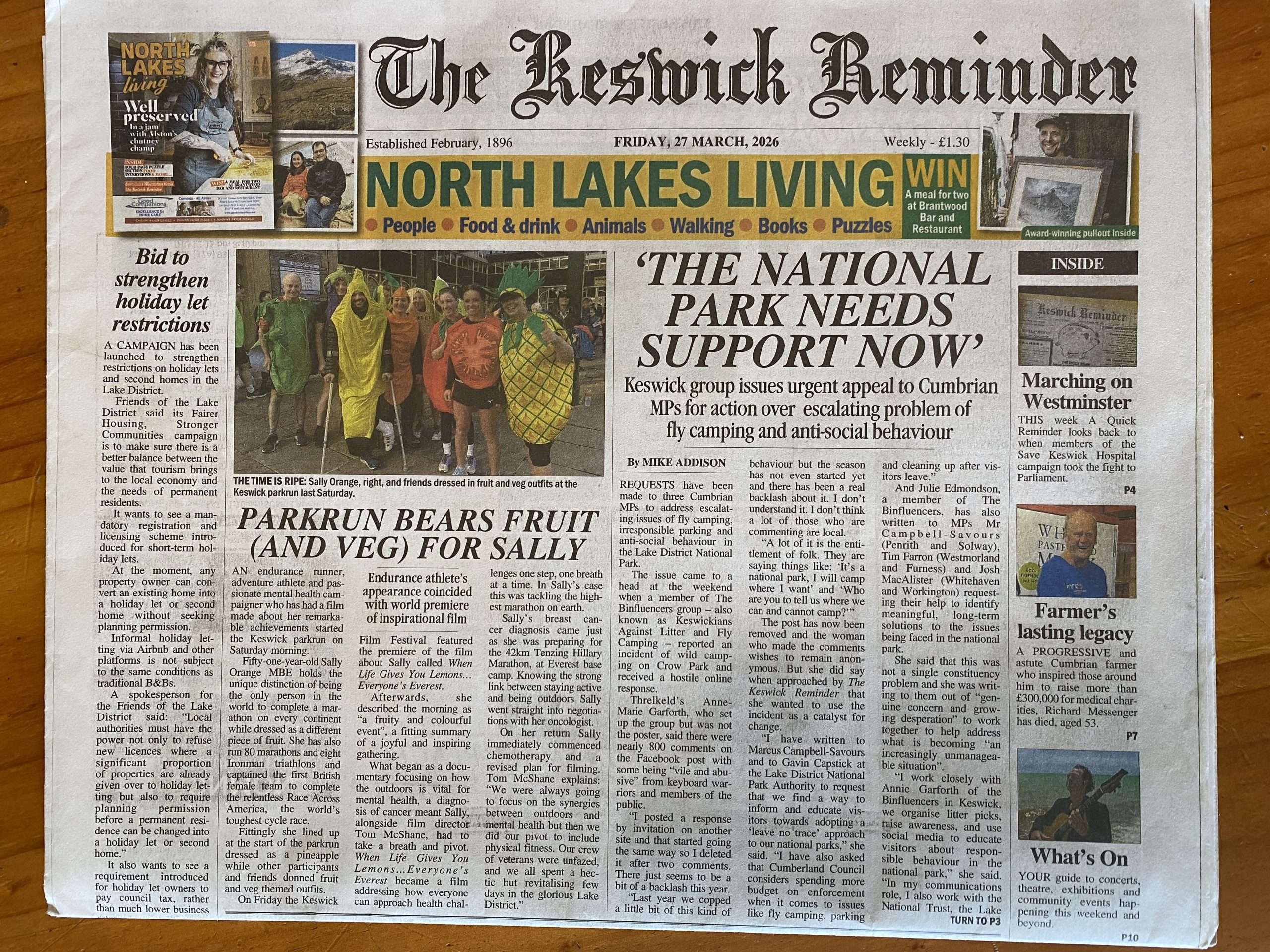
Some of the local issues common to most of these papers was the shocking state of roads, with potholes causing major problems throughout the entire UK and the lack of public toilets. Both issues we experienced on numerous uncomfortable occasions. One of our priorities during long days on the roads was to tell our trusty Google maps to head to the nearest toilet when we arrive at a new town, only to find there weren’t many available, and most times we had to pay at least 50 pence to, ahem, spend a penny!
And then there’s trying to find the time to read all the papers I bought each day after a day’s touristing. During the five weeks I watched no television at all – can’t say I missed it – giving me time to catch up on reading the papers before falling asleep with tired eyes.
One of the joys of reading newspapers is not knowing what you are going to read about as you turn the next page, no algorithms to direct your gaze. I love the serendipity of it all. Of course the major stories covered while I was in the UK were the Iran War – we were lucky to get to the UK in the first place by flying via Kuala Lumpur on Malaysia airlines and there was always the thought in the back of my mind that we might get stuck there with all the uncertainty about the war and jet fuel shortages – and UK politics centred on Sir Kier Starmer’s government, renewable energy – particularly the growing conflict over the rapid spread of solar farms between farmers and local communities against the government – debates about expanding North Sea oil and gas exploration and production, fuel shortage concerns and the surprisingly poor state of the Royal Navy.
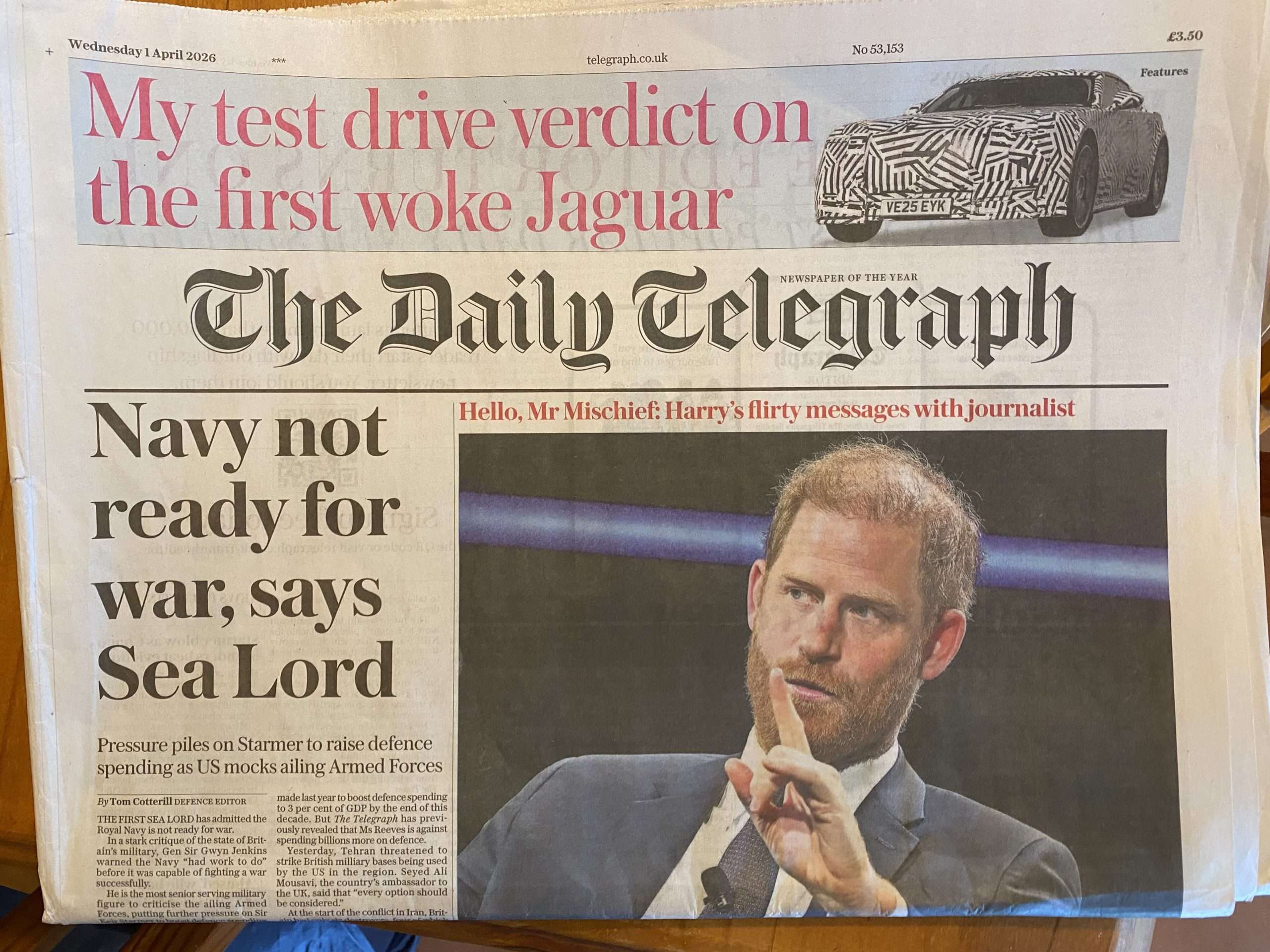
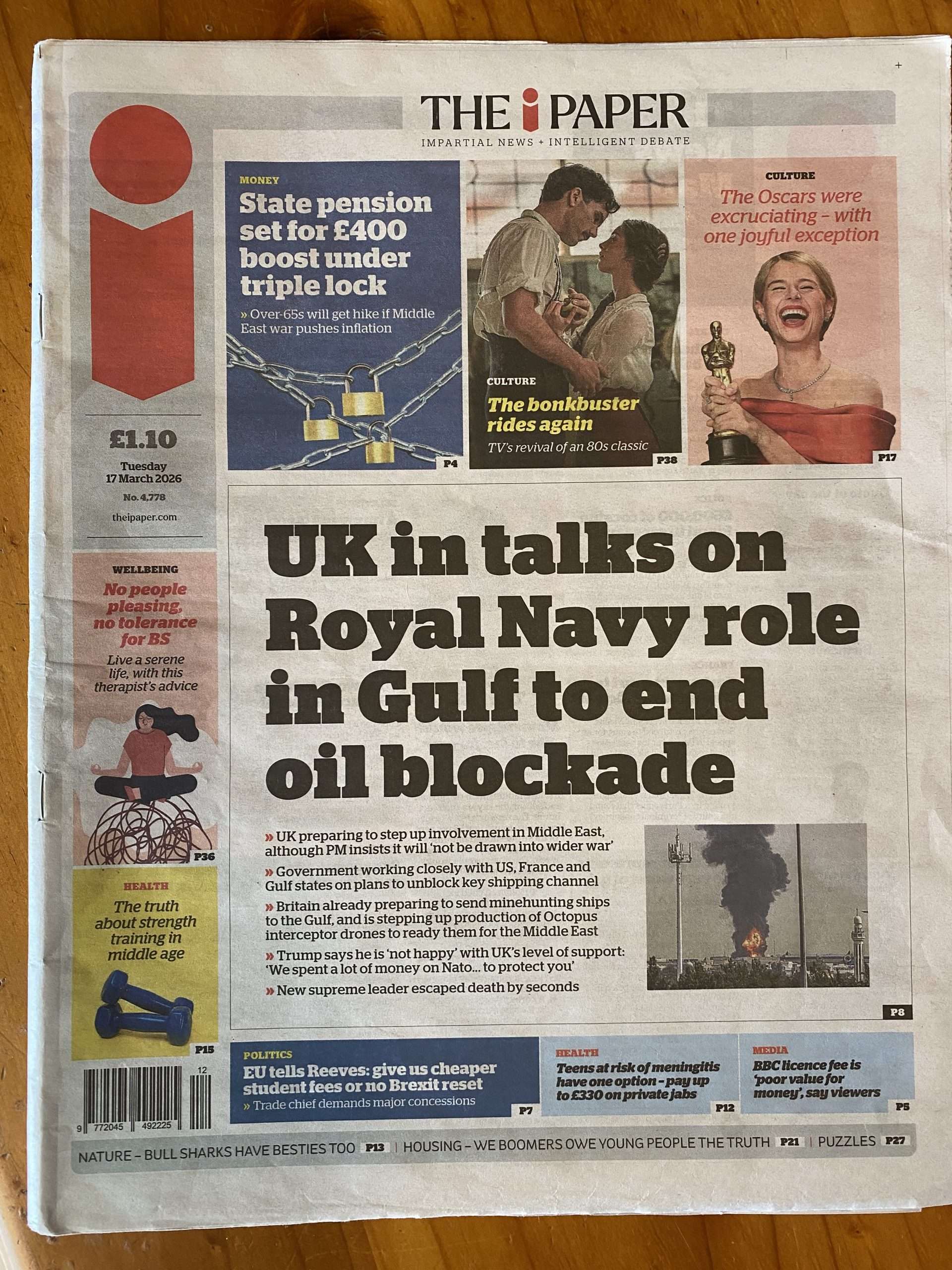
I was shocked to read about how rundown the once mighty RN has become. During our travels we visited several cities with naval facilities, including Portsmouth, Plymouth and Falkirk and saw lots of warships alongside and in deep maintenance. The most surprising revelation was the state of the Type 45 Daring class destroyer fleet, with only two warships out of six deployable. And their Astute submarine fleet isn’t in much better condition either.
I thought our navy was in a bad way, but the Brits are way worse. It looks like western governments generally have taken their eye off the Defence ball over the past two decades or so. And now they’re all trying to basically rebuild their fleets.
I am constantly amazed at how fast the newspaper production process is done and the quality of the layout and design, produced under intense deadlines. And then there’s the printing and distribution logistics, with newspapers delivered to hundreds of towns all over the UK every night.
When I worked in newspapers it was a case of being in amongst the weeds, just pumping out pages day in, day out and not appreciating the bigger picture of what I was involved in. It’s often the way that we don’t appreciate what we’ve got until it’s gone and after being out of the industry now for more than nine years, I appreciate and respect the effort it takes to keep on producing newspapers more so than when I was working in the industry.
The quality of the journalism in the UK is outstanding, and the commentary articles are well thought-out and written. The historical context that commentators use on a regular basis was also very educational for an Aussie like me, to put things into perspective, especially for countries with such long histories as England and Scotland.
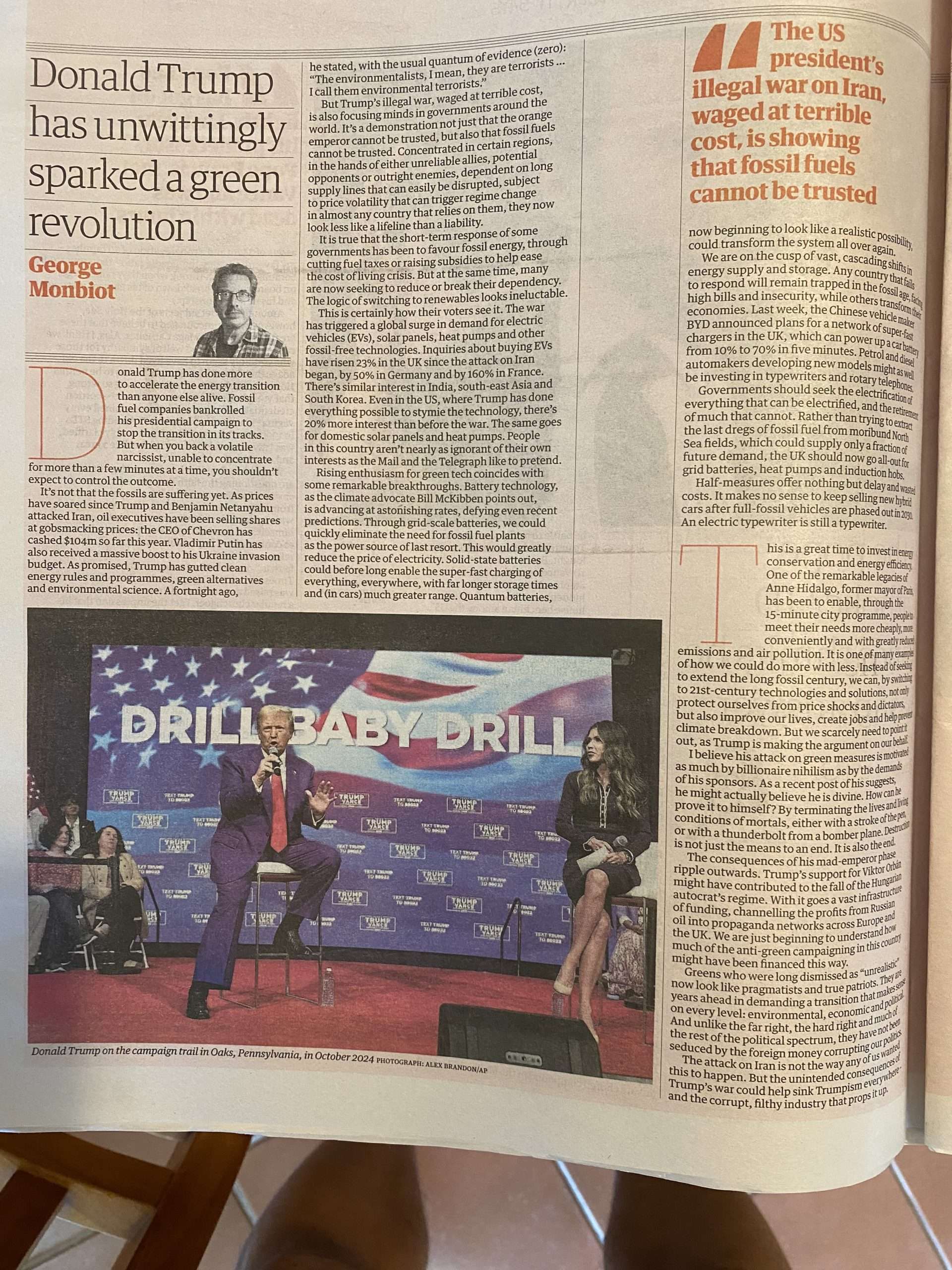
It was also good to read a variety of opinions on current issues, especially the Iran war, with my stand-out columnists including Matthew Parris, Giles Coren, Rod Liddle, (The Times), George Monbiot (The Guardian) and The Daily Telegraphs’ always gloomy Evans Ambrose Pritchard, whose columns I also enjoy reading on the Channel Nine websites. And there’s Jeremy Clarkson, the number one reason I bought The Sunday Times. Except he was away for a couple of weeks while I was in the UK!
I accumulated quite a few newspapers during our adventure and had to buy a rather large carry-on bag to get them on the plane back to Perth, where the roads are smooth, there was not a pothole in sight and the public toilets are free! But I’ve enjoyed immensely the opportunity to indulge a once-in-a-lifetime’s opportunity to travel the length and breadth of the home of newspapers and enjoy every paper I was fortunate enough to read.
Sadly the days of newspapers are numbered, with the younger generations, in my opinion, missing out on the tactile experience of reading the news and views that are brilliantly served up to us each day by the hard-working army of journalists, photogaphers, sub-editors – the heroes of the newspaper production process – and editors. I salute them all and the vital role they play in keeping the public informed about issues that are important to all of us. But while they’re still around, I’ll keep reading them. Sadly we don’t have the population or large enough demographic to support more newspapers in Australia and our public discourse is the poorer for it.
*By Tim Slater
~ If you’d like to COMMENT on this or any of our stories, don’t hesitate to email our Editor.
~ WHILE YOU’RE HERE –
PLEASE HELP US TO GROW FREMANTLE SHIPPING NEWS
FSN is a reader-supported, volunteer-assisted online magazine all about Fremantle. Thanks for helping to keep FSN keeping on!
~ Don’t forget to SUBSCRIBE to receive your free copy of The Weekly Edition of the Shipping News each Friday!