But not everyone is a fan of co-living
Marprop, a business founded in Melbourne in 2007, explains on its webpage how it has grown from its real estate advisory roots into a leading investor and fund manager.
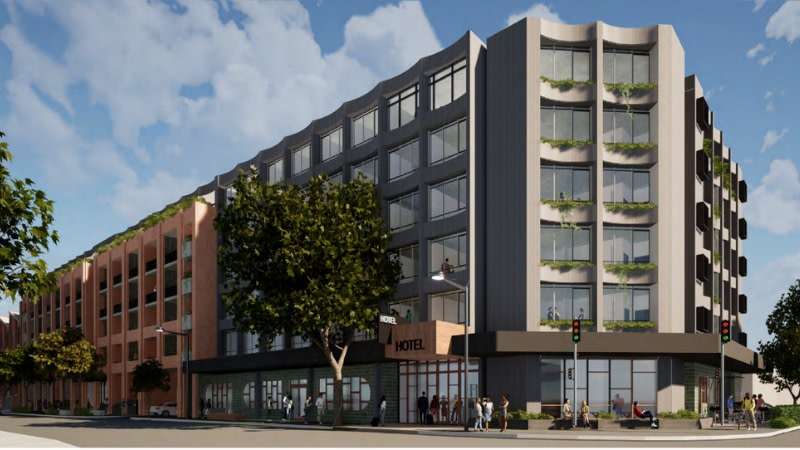
Artist’s impression of the co-living and hotel development as it fronts QV and James Streets
It is also into property development and is the mover and shaker behind the approval granted on 20 November 2025, by the Metro Inner Development Assessment Panel – or JDAP in local parlance – to the construction of 119 ‘co-living apartments’ and 83 hotel rooms at 50-62 Queen Victoria Street.
You’ll know the site. It’s at the intersection with James St and currently used by the Sixt car rental business and over the road from Gesha, on one side, and BYD on another.
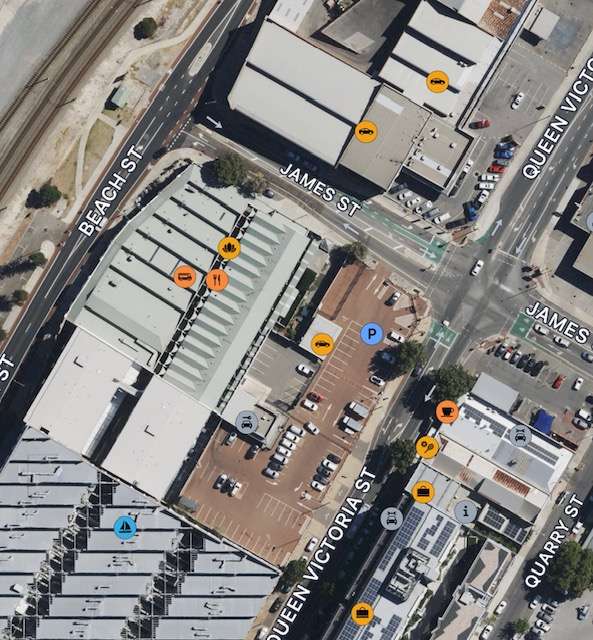
The developer has been given 4 years to get the development done. We will watch with interest.
The six-storey development includes co-working suites, dining areas, kitchens, a cinema, spa, laundry, gym, living areas and a rooftop terrace on the 3464 square metre corner site.
The ‘co-living’ areas are to be split into four townhouse-style apartments, 96 studio ‘micro-apartments’, 8 guest suites and 11 one-bedroom apartments.
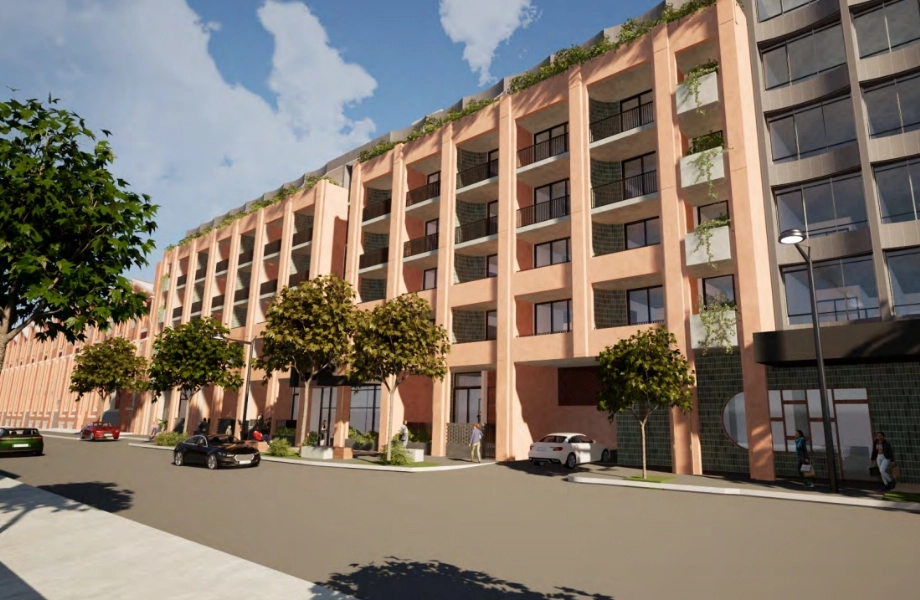
Here’s another artist’s impression of the new building as it faces Queen Victoria Street.
In case you are wondering just what the jargon of ‘co-living’ and ‘micro-apartments’ means, here’s a very helpful summary of the terms provided by our AI Agent Claude –
Co-living projects:
These are residential developments where residents have private bedrooms (sometimes with ensuite bathrooms) but share common spaces like kitchens, living rooms, and sometimes dining areas or workspaces. Think of it as a modern, upgraded version of shared housing that’s purpose-built rather than converted. The concept often targets young professionals, students, or people new to a city who want community and affordability. Developers often include amenities like cleaning services, social events, and furnished spaces, positioning it as more of a lifestyle product than just housing.
Micro apartments:
These are very small studio or one-bedroom apartments, typically ranging from about 200-400 square feet (though definitions vary by market). They’re designed to maximize efficiency through clever layouts, built-in storage, and multi-functional furniture. The idea is to offer affordable housing in expensive urban markets by reducing square footage while still providing a self-contained unit with its own kitchen and bathroom.
Both concepts emerged as developer responses to housing affordability challenges in major cities, though they’re sometimes criticized for normalizing smaller living spaces or for primarily benefiting developers’ profit margins rather than solving affordability issues in a meaningful way. The appeal depends heavily on the quality of design, amenities offered, location, and how much residents actually save compared to conventional housing options.
The recently approved Woolstores apartment development of Human-Urban or H-U, in nearby Cantonment Street, Fremantle, similarly has a ‘co-living’ component described by the developer as consisting of ‘174 architecturally designed units operating as a centralised rental model that focuses on creating a community through:
• Large communal recreation zones including kitchens, dining areas, breakout zones, wellness opportunities and WFH spaces
• A curated calendar of social events and activations for residents – all included within the rental structure
• Flexible leasing arrangements to suit local residents, students, visitors
• Centrally managed and curated by a single operator.’
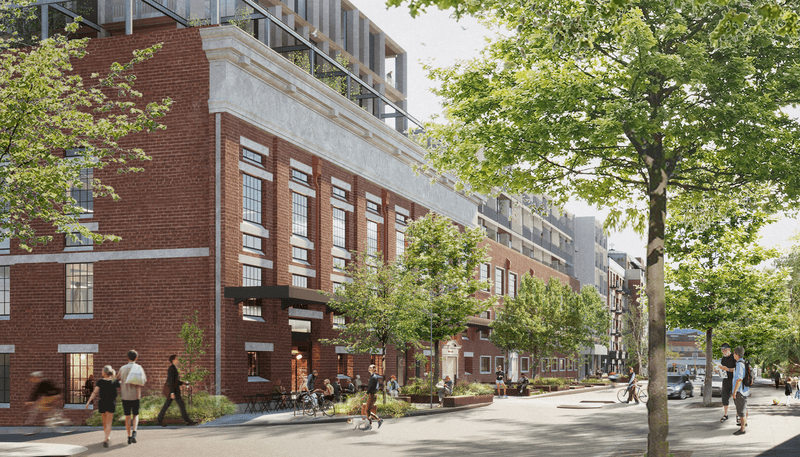
Artist’s impression of the Cantonment Street frontage of the approved Woolstores Development
H-U describe ‘co-living’ as a ‘globally emerging housing type that is reinventing the rental model by focusing on building communities, connection and convenience’.
At the recent JDAP hearing, as reported in WAToday, local residents expressed fears that this model of development would attract party-goers and fuel noise and crime. However, a representative of Marprop told the hearing that more than half of the accommodation was expected to be taken up by AUKUS staff who would spend part of their time living on a ship or submarine.
It appears there’s no stopping co-living and micro-apartments development proposals at the moment, and this area of Freo, including Adelaide, Cantonment and Queen Victoria Streets, is fast becoming the place to be!
By Michael Barker, Editor, Fremantle Shipping News
~ If you’d like to COMMENT on this or any of our stories, don’t hesitate to email our Editor.
~ WHILE YOU’RE HERE –
PLEASE HELP US TO GROW FREMANTLE SHIPPING NEWS
FSN is a reader-supported, volunteer-assisted online magazine all about Fremantle. Thanks for helping to keep FSN keeping on!