Fremantle Shipping News is please to publish this Opinion Piece by Tony Pietropiccolo AM*
WA is rich in resources and opportunity. Australia prides itself on prosperity, generosity and helping people through hardship. Yet too many children in WA and across the nation are growing up in poverty.
Household income figures alone do not show what poverty means for a child: insecure housing, poor nutrition, limited healthcare, missed school activities and sport, and exclusion from everyday experiences their peers take for granted. The effects reach into children’s health, education, relationships and sense of belonging—and can limit opportunity long after childhood.
Poverty also underlies many of Australia’s social problems. Life circumstances that offer little hope of a better future can contribute to young people engaging in anti-social behaviours. A belief that society lacks interest in their wellbeing can lead to feelings of marginalisation and isolation with their likely withdrawal from society. Economic pressures faced by an increasing number of families can be the catalyst for individual difficulties, family dysfunction and conflict with negative consequences for all family members.
A 2025 report by the Bankwest Curtin Economics Centre and the Valuing Children Initiative found that 868,300 Australian children, 15 per cent, lived below the standard poverty line in 2023. It projected more than 950,000 children, or 15.6 per cent, would be in poverty by 2025. Rising housing and rental costs, and incomes failing to keep pace with living costs, were key drivers. In 2026, more than one million Australian children are expected to be growing up in poverty, with approximately 100,000 living in WA. Last month research published in the Economic Record showed that the effects of childhood poverty persist into early adulthood, especially for children from single parent households.
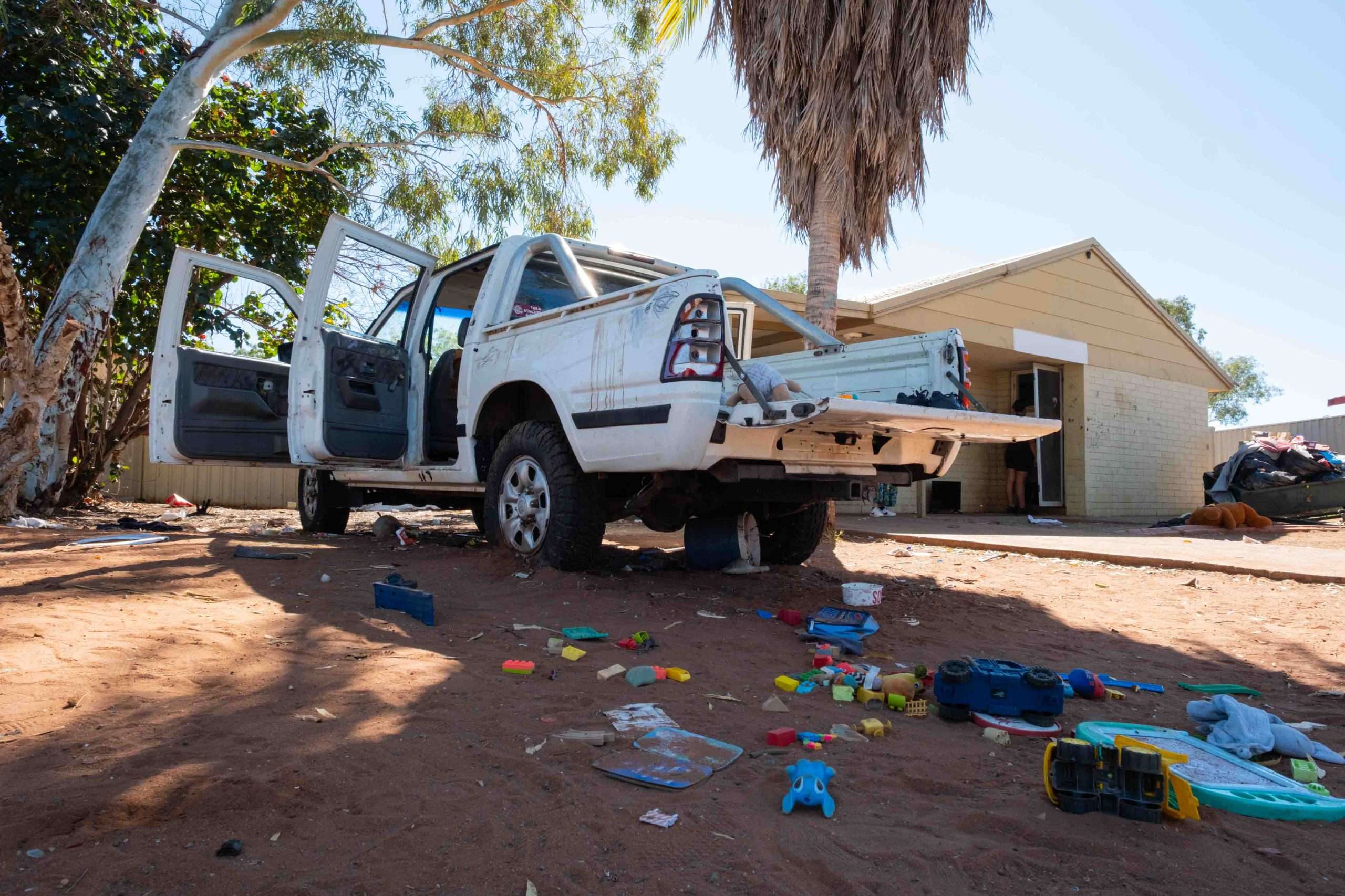
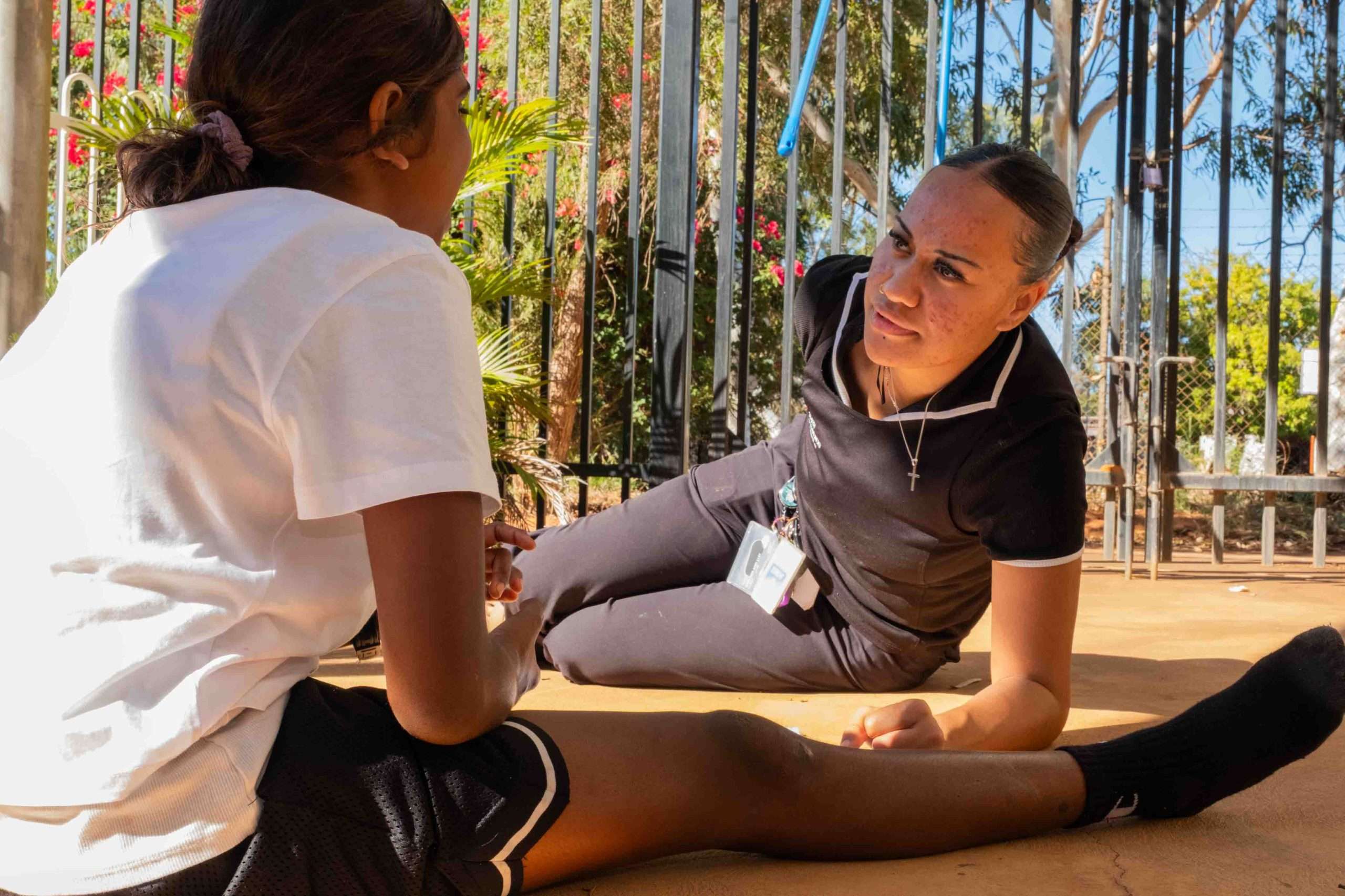
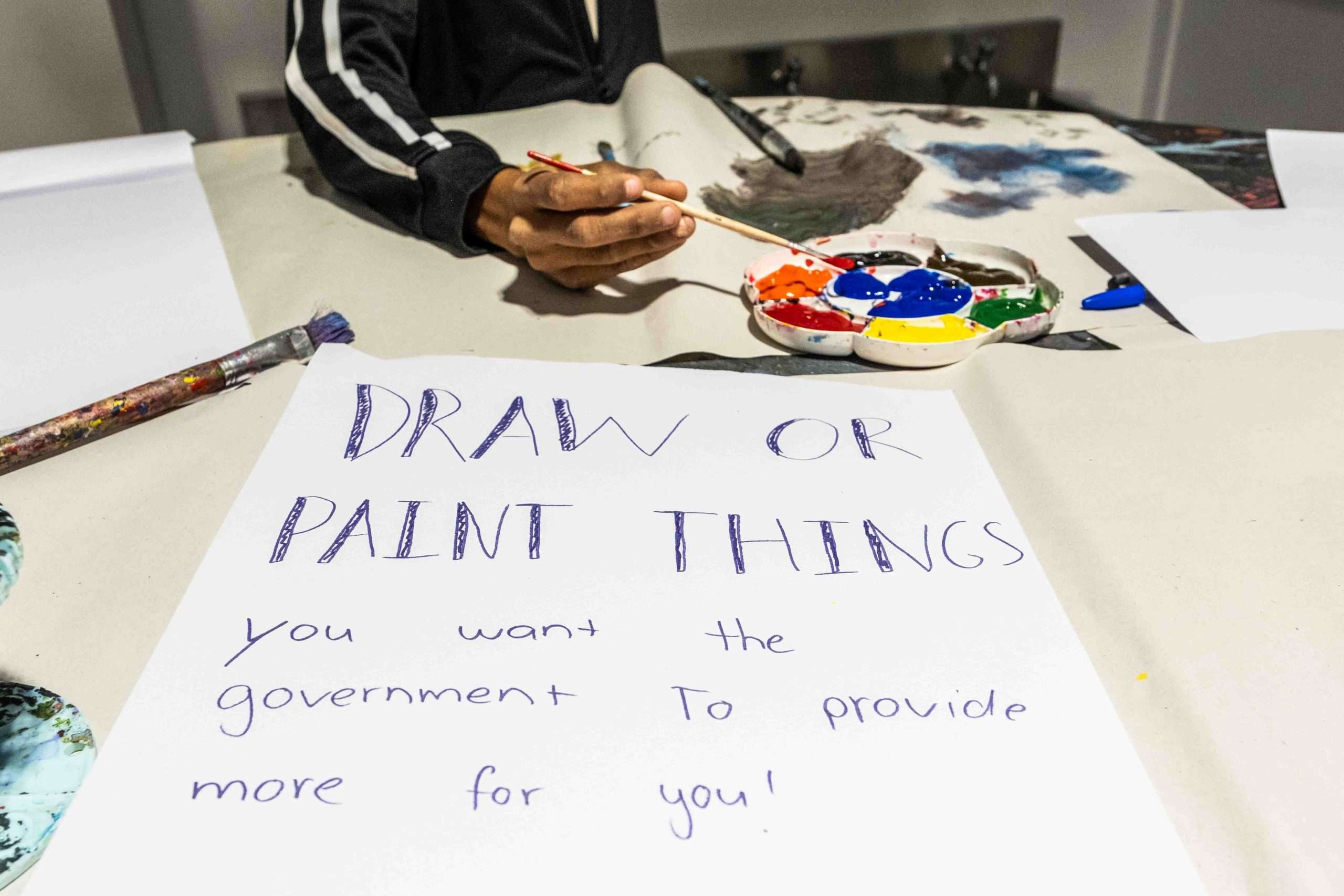
These photographs are from the work of Centrecare’s Valuing Children Initiative in South Hedland earlier this year, together with the Youth Involvement Council (YIC). Credit Kerry Faulkner
Child poverty is not a marginal issue but a national challenge. It is unconscionable to know the extent of child poverty and its negative impact and not act. We cannot allow poverty to shape children’s lives.
Australia should make child poverty an explicit national objective, as countries including New Zealand, Ireland, the United Kingdom, France have done. Scotland’s Child Poverty Act and the European Child Guarantee offer useful models: define and measure the problem, set reduction targets, implement effective responses and report progress publicly. These jurisdictions officially recognise child poverty as a significant societal issue that requires the focused attention of government. Earlier this year the Economic Inclusion Advisory Committee recommended to the Australian government that it take practical steps to address child poverty. To date child poverty in Australia remains an invisible problem that is rarely, if ever, mentioned in our political discourse.
The End Child Poverty campaign, initiated by Centrecare’s Valuing Children Initiative and backed by more than 180 organisations, advocates and community leaders, supports a focused approach to dealing with child poverty. It is calling on Federal Parliament to legislate a national commitment, set measurable targets and regularly report progress to Parliament and the public.
Legislation will not end poverty by itself. But a clear national, accountable approach to child poverty would focus that work. Australia needs to urgently and systematically address what is increasingly becoming a national crisis that has significant, long-term negative implications.
No child’s health, development, education or future should be diminished by poverty. Children have one childhood. We should not let poverty define it.
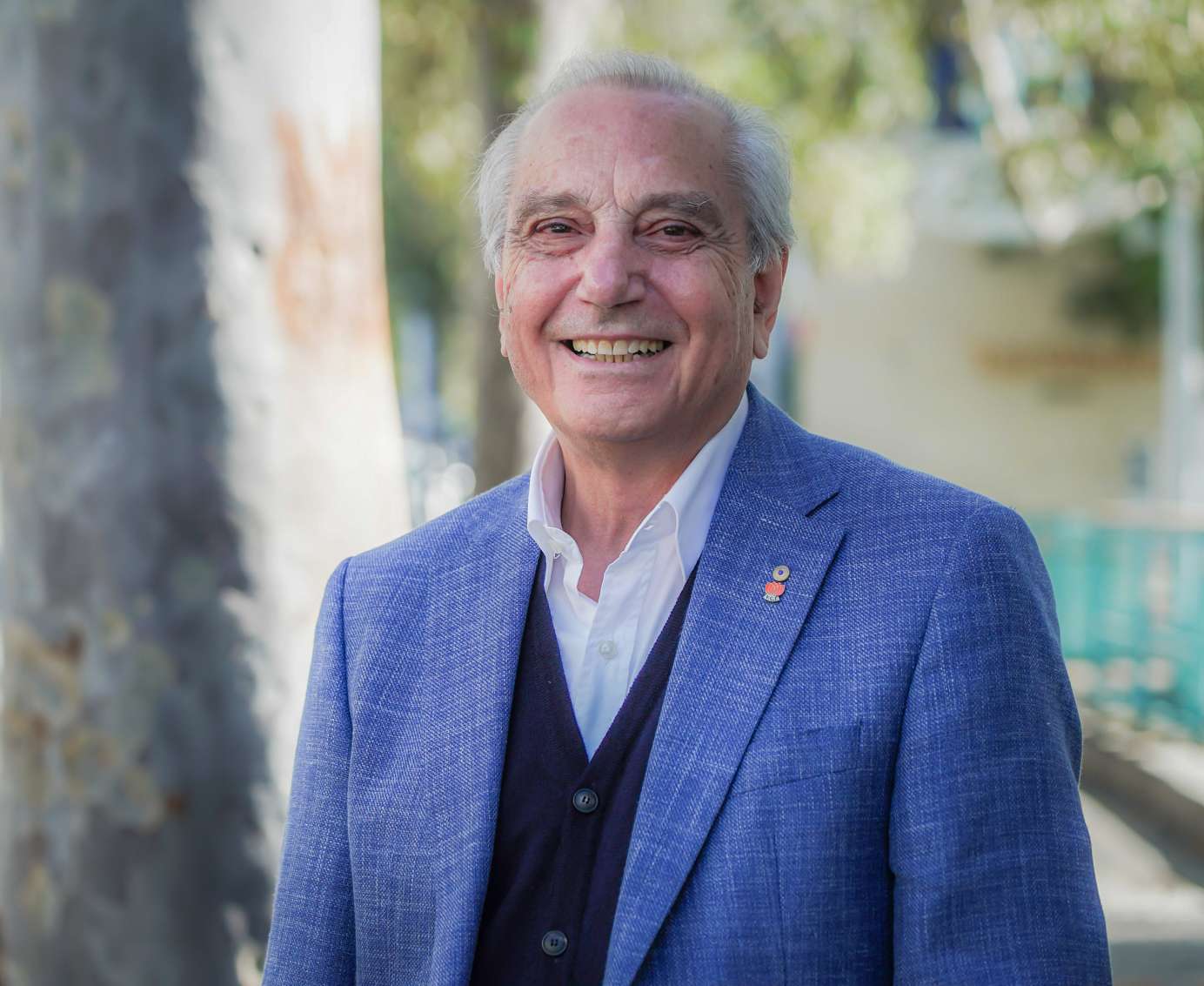
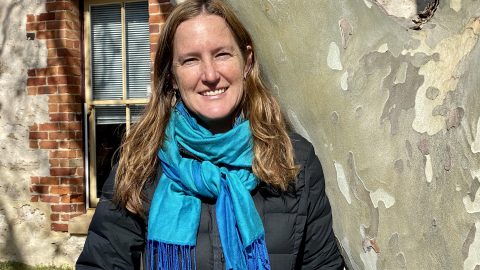
*About the author: Tony Pietropiccolo AM (pictured) is an Adjunct Professor at the University of Notre Dame Australia in Fremantle, a Director of Centrecare Inc., founder of the Valuing Children Initiative, and Chair of the End Child Poverty Campaign. His work has focused on strengthening the wellbeing of children and families and supporting people experiencing vulnerability.
~ If you’d like to COMMENT on this or any of our stories, don’t hesitate to email our Editor.
~ WHILE YOU’RE HERE –
PLEASE HELP US TO GROW FREMANTLE SHIPPING NEWS
FSN is a reader-supported, volunteer-assisted online magazine all about Fremantle. Thanks for helping to keep FSN keeping on!