Adjunct Prof Tony Pietropiccolo AM, Director Centrecare Inc and Founder of the Valuing Children Initiative outlines the background to WCD on 20 November, and emphasises how children are an integral part of our society and how we treat and respect them says much about the kind of society we are.
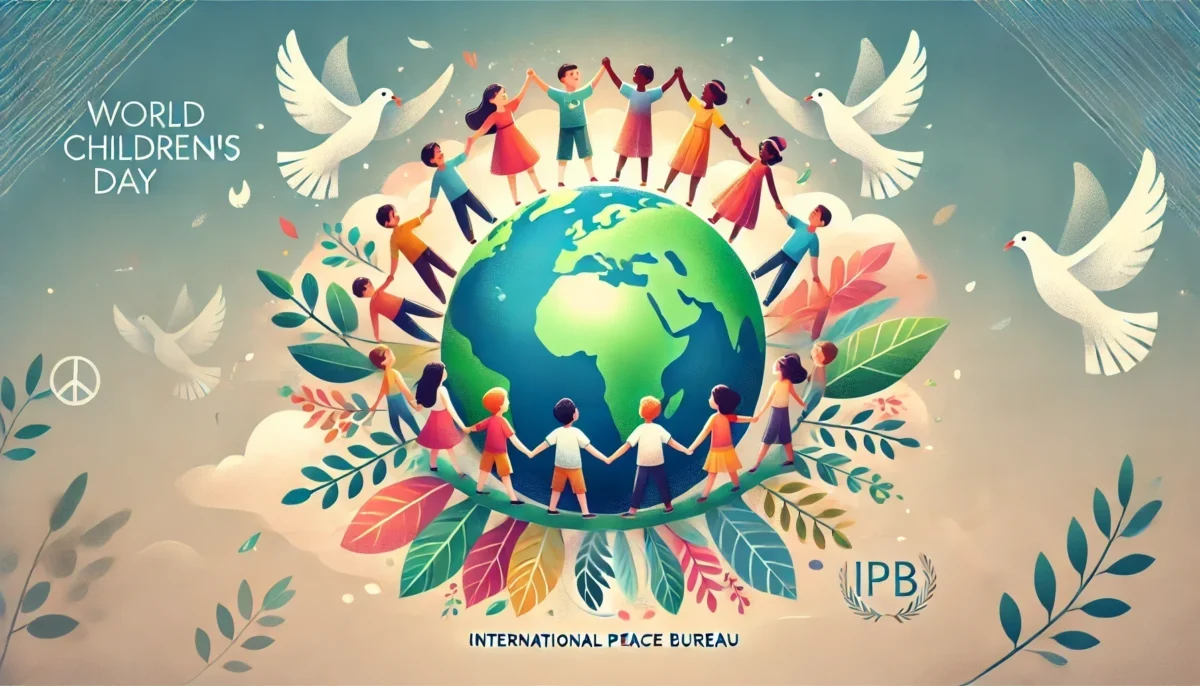
World Children’s Day on 20 November, celebrates the United Nations General Assembly’s adoption of the Convention on the Rights of the Child in 1989. I recall the debate that emerged in the lead-up to Australia signing the Convention a year later.
There was disbelief in parts of the community at the assertion that children had rights. Much of the discussion centred on what signing the Convention would mean for parents and their responsibilities in raising their children.
Yet children aren’t just the responsibility of parents. They are also the responsibility of the State and the society in which they grow up. That’s why we have children’s hospitals, schools, the juvenile justice system, child protection mechanisms and other essential services.
There is a responsibility for children that extends well beyond parenting. It is a responsibility that belongs to all of us.
Australia’s commitment to the Convention is clear. Under Article 27, signatories recognise every child’s right to a standard of living adequate for their physical, mental, spiritual, moral and social development. The Convention also recognises children’s rights to health, education, social security, protection, play and participation. These are not simply aspirations. They are obligations that should shape the way we support and care for children.
We like to believe that, as individuals and as a country, we look after our children well. In many ways we do. But deeply concerning trends suggest we are falling short.
Today, close to one million Australian children live in poverty –
*Foodbank reports that in 2026, 45% of Australian households with children struggled to consistently have enough food.
*Around 76,000 children under 18 seek assistance from homelessness services, yet 25,000 remain homeless even after seeking help.
*The 2024 Australian Development Census showed only 52.9 per cent of Australian children were developmentally on track.
*A further 46,000 children live in out-of-home care.
The Western Australian Commissioner for Children and Young People’s recent report, Disconnected, Unprotected: What happened to the best interests of the child?, describes how children entering care early can remain in the system throughout childhood, often moving between multiple placements and households.
The challenges extend beyond material disadvantage. Bankwest Curtin Economics Centre has reported that almost 30 per cent of 15-year-olds experience high or very high levels of mental health distress. Suicide remains the leading cause of death among young people aged 15–24.
The extent of child maltreatment is equally confronting. The 2023 Australian Child Maltreatment Study found childhood abuse to be widespread, including disturbing levels of sexual abuse.
More recent revelations of abuse in childcare settings have understandably shocked Australians. Yet we must also acknowledge that abuse occurs within family environments with 2023 ABS statistics showing 47 per cent of women and 32 per cent of men experienced their first sexual abuse during childhood, often at the hands of a male family member.
These are not just statistics. Behind every number is a child.
Every child is omeone’s son or daughter, brother or sister, schoolfriend or neighbour. Children experiencing hunger, insecurity, homelessness, trauma and distress, often do so during the very years when they should feel safest and most supported. It is a world of emotional and physical suffering that remains hidden and too often forgotten.
Their experiences demand more than a passing glance before we move on. We cannot ignore their needs or assume someone else will address them.
Collectively, these figures raise difficult questions about how well we are meeting our obligations to children. How is it that a wealthy and highly educated country such as Australia continues to experience such significant levels of child poverty, homelessness and maltreatment? What is contributing to the mental health challenges facing our young people? And why, despite our considerable resources, do so many children struggle to access the support and care they need?
These questions ask us, as individuals and as a nation, to examine our priorities, values and way of life. Protecting children involves more than good intentions or policies on paper. It requires sustained investment, effective services and early intervention. It also requires us to listen to children, understand their experiences and, above all, recognise that every child deserves to be treated with dignity and humanity.
World Children’s Day provides a chance to demonstrate that we take children seriously, recognise their rights and value their contribution to our communities.
It would be encouraging to see political and business leaders, community organisations and institutions make a genuine effort to hear what children have to say. Not as a token gesture, but as a meaningful attempt to understand their concerns, hopes and aspirations.
Children have much to tell us about the world they experience and the world they want to live in. We need to listen.
Around the world, World Children’s Day is marked by governments, institutions and communities reaffirming their commitment to the Convention. In many countries, children are given opportunities to speak directly to decision-makers, while schools and other institutions focus particular attention on children’s rights and wellbeing.
In Australia, however, WCD receives relatively little political and media attention and remains largely invisible to the broader community. Given the challenges facing so many of our children, that lack of recognition is difficult to explain.
Today, 20 November, is an opportunity to change that.
It is a day to celebrate the wonder, curiosity, wisdom and potential of children and to express our love and care for them. But it must also be a time for honest reflection.
Are we, as individuals and as a nation, doing enough to respect them and their rights, protect their wellbeing and create the conditions in which every child can flourish?
Children are not simply future adults. They are an integral part of our society today. How we treat and respect them says much about the kind of society we are.
*By Adjunct Prof Tony Pietropiccolo AM, Director Centrecare Inc, Founder Valuing Children Initiative.
~ If you’d like to COMMENT on this or any of our stories, don’t hesitate to email our Editor.
~ WHILE YOU’RE HERE –
PLEASE HELP US TO GROW FREMANTLE SHIPPING NEWS
FSN is a reader-supported, volunteer-assisted online magazine all about Fremantle. Thanks for helping to keep FSN keeping on!
~ Don’t forget to SUBSCRIBE to receive your free copy of The Weekly Edition of the Shipping News each Friday and to Follow us on Facebook and on Instagram too!