Our FSN reviewers are just loving this film and here Gayle O’Leary adds to the Tourette’s story
Only made it perhaps twenty or thirty minutes into this one before the tears started rolling. Not so long after, I rolled with laughter in my seat, and smiled until my face ached.
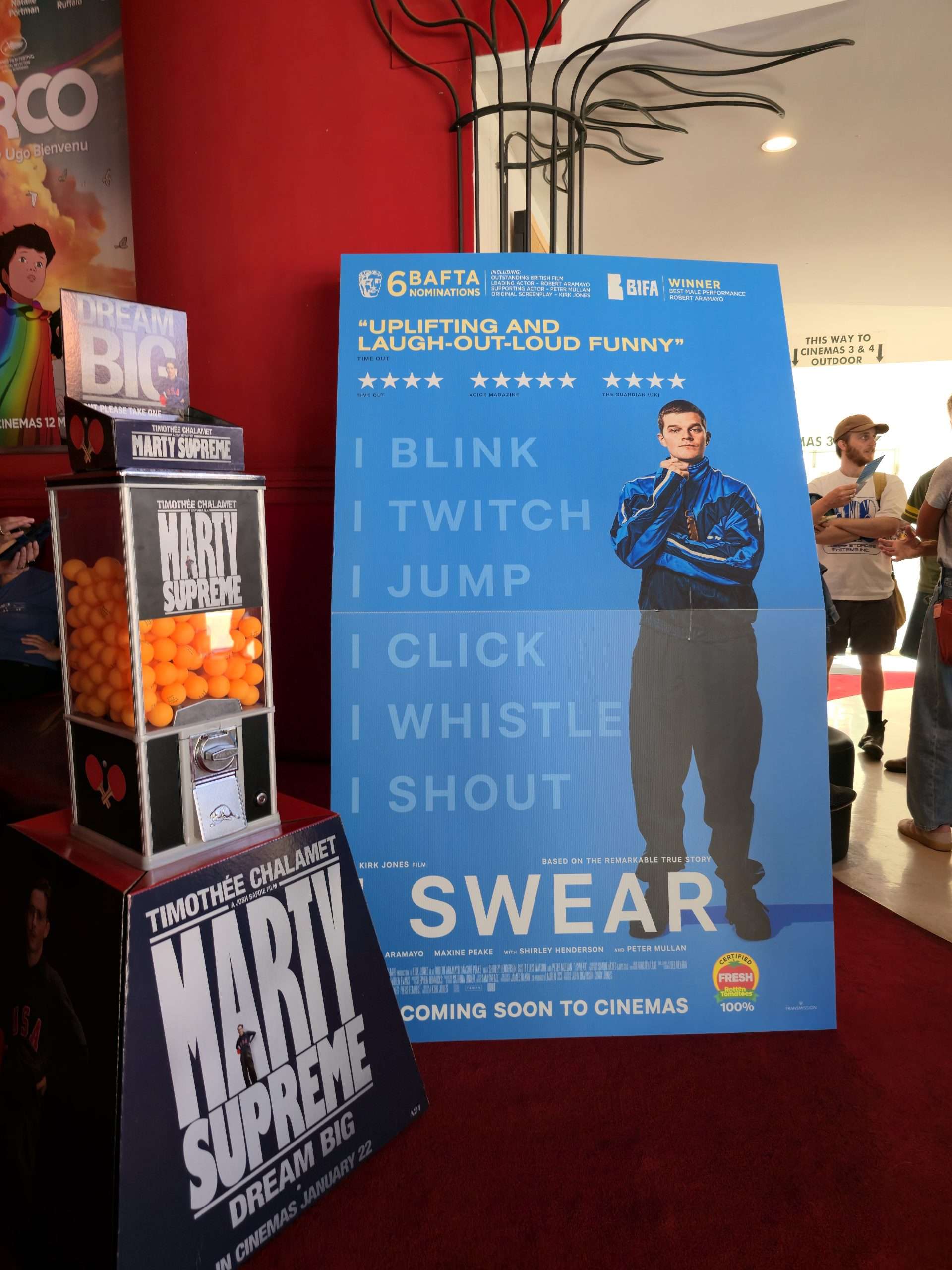
I speak, of course, about Kirk Jones’ film “I Swear” which is inspired by the true story of Tourette Syndrome advocate, John Davidson.
John is one of the very unlucky “lucky ones”, who experiences Coprolalia, the act of involuntary swearing and vocalisations, along with severe head and limb spasms. Words and phrases that have nothing to do with his genuine beliefs flash across his mind and burst out his mouth. Attempts to hold back the behaviour only work temporarily and lead to even worse episodes. Alcohol and stress exacerbate it. His condition emerged in his youth during the 1980s and came as a bizarre shock to his family and community.
BAFTA best actor winner Robert Aramayo masterfully sports a strong Scottish borders accent and portrays John’s severe condition of Tourettes powerfully. As if living with electric diodes fixed to his body.
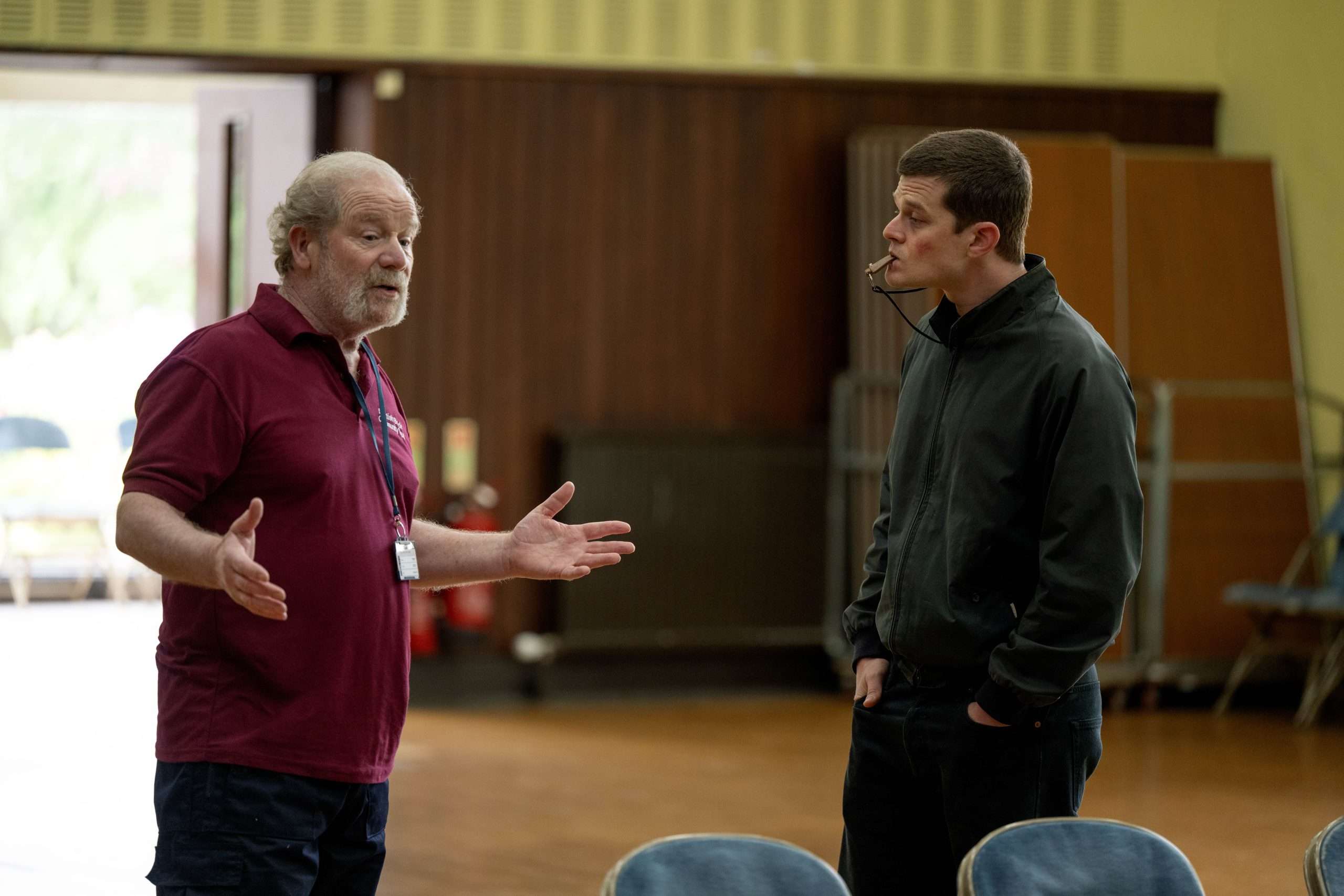
Took me an entire day to remember where I’d seen this actor before – he plays a younger Elrond in The Lord of the Rings tv series! He is joined by a fantastic cast: Maxine Peake, Shirley Henderson, Peter Mullan, and Scott Ellis Watson.
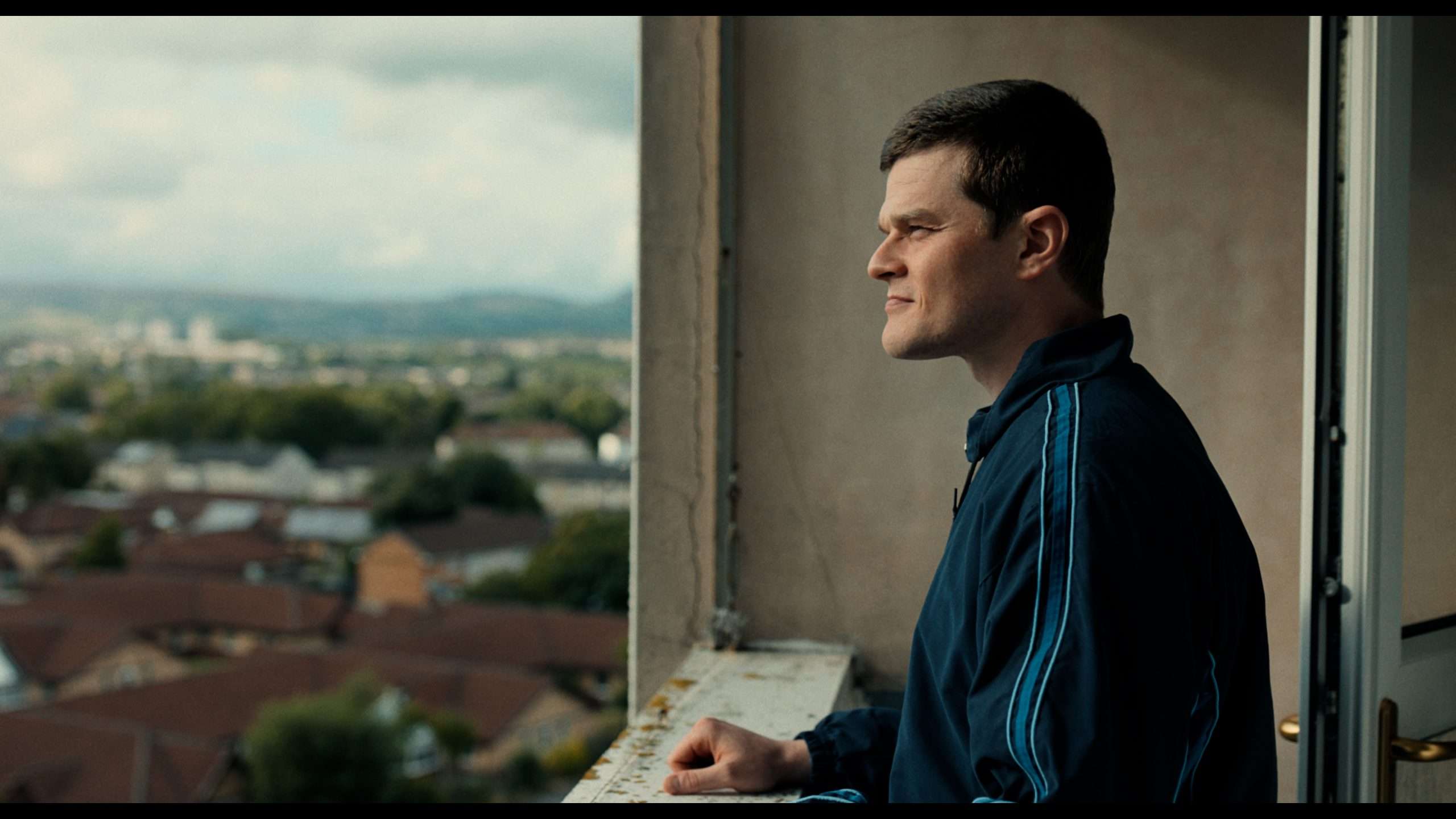
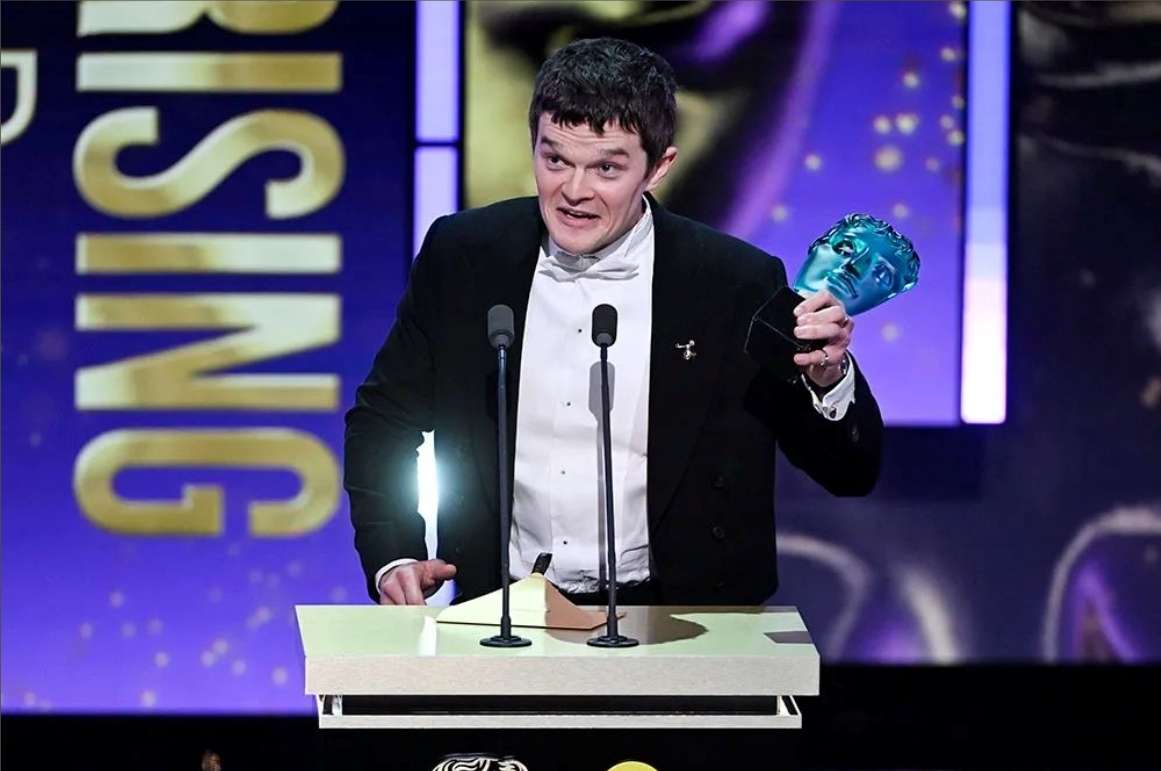
They are outstanding. No wonder they scooped up so many awards:
BAFTA 5 Nominations incl: Outstanding British Film of the year, Best Screenplay, Best Leading Actor (Robert Aramayo) , Best Supporting Actor (Peter Mullen), Best Casting (Lauren Evans)
London Critics Circle 2026: Winner Break through performer of the year, Robert Aramayo
Casting Director’s Guild 2026: Best Casting Laren Evens, Melissa Wikens
British Independent Film Awards 2025: Winner Best Lead Performance, Robert Aramayo
One of my favourite scenes in the film (other than when he meets the Queen face to face) is improvised, where John is asked by concerned parents to help calm another person with the condition for the first time in her life, Lucy, played by Lanarkshire actress Andrea Bisset. The pair wind up reacting to each other’s ticks in an hysterical, heartwarming scene. Bisset has Tourettes herself and went viral after uploading videos of her driving lessons. More on her story is available here.
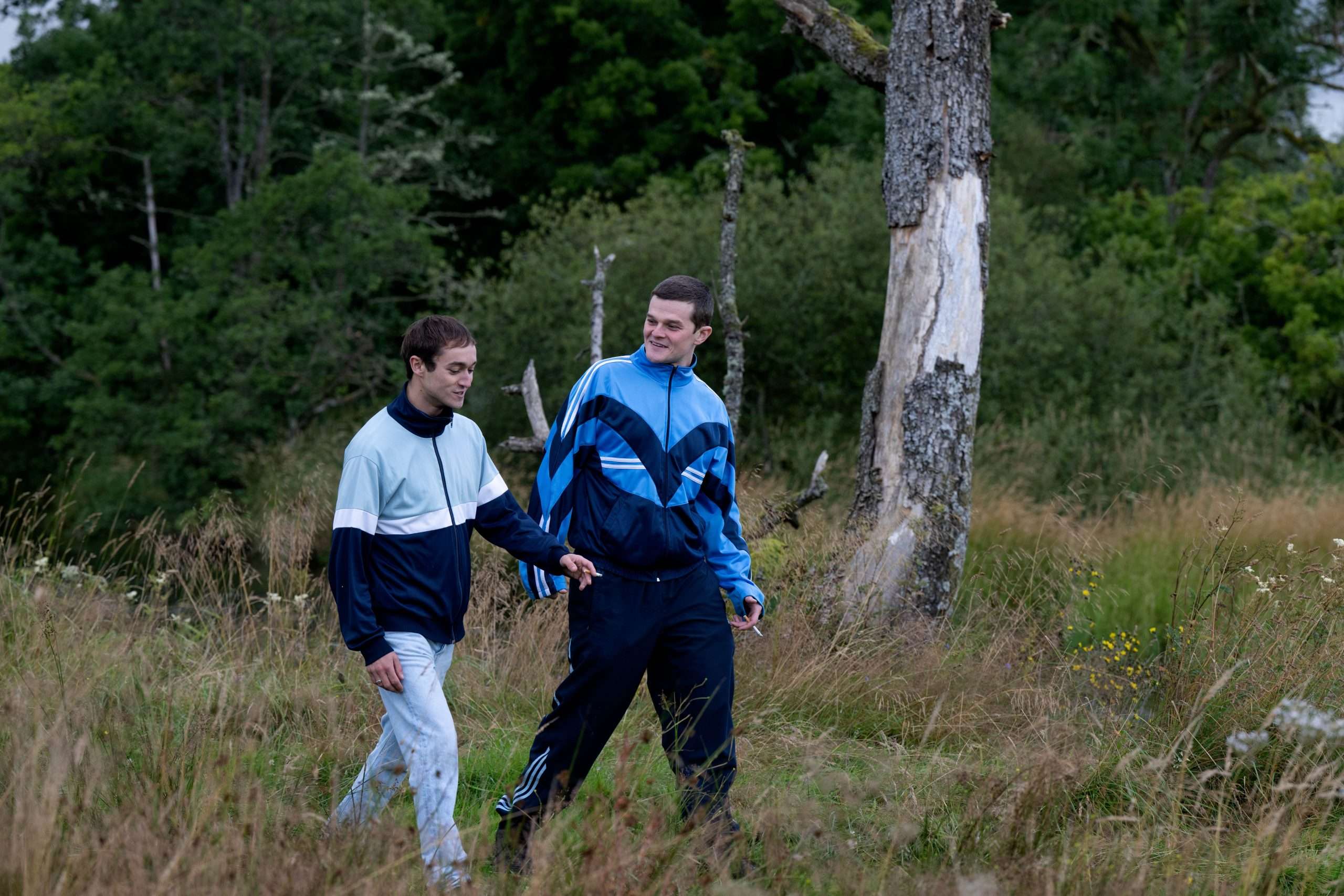
The film showcases the rolling green of Scotland beautifully, amidst the grey roughcast, stone, and concrete of Galashiels, south of Edinburgh. It almost makes up for the shell suits.
There are spectacular moments of peace, such as walking his labrador or fishing along the river Tweed, offsetting John’s daily hell.
Frustrated groans, pursing his lips together, or muttering “F***s ‘sake, John” follow most of the public profanity. The more shocking the phrase, the more it rattled even John, the greater the likelihood it would burst out. Teenage hormones and shocked reactions from fellow shoppers would not have helped.
Teacher cruelty, including humiliating him in front of his classmates, or locking him in a cupboard during class, was not included in the film but true elements of his experiences, including the headmaster administering “the strap” so severely that his one opportunity to be drafted into a local football team is jeopardised, are shown. The exhaustion of it drives his parents’ marriage apart and dogs John in all his attempts to manage in society.
Conversely, the kindness of people, such as John’s friends and his surrogate mum Dottie, are breathtaking. Dottie, mother of his friend Murray, and former nurse employed in mental healthcare, recognised his symptoms and invited John to live with them even with her own terminal diagnosis of cancer at the time.
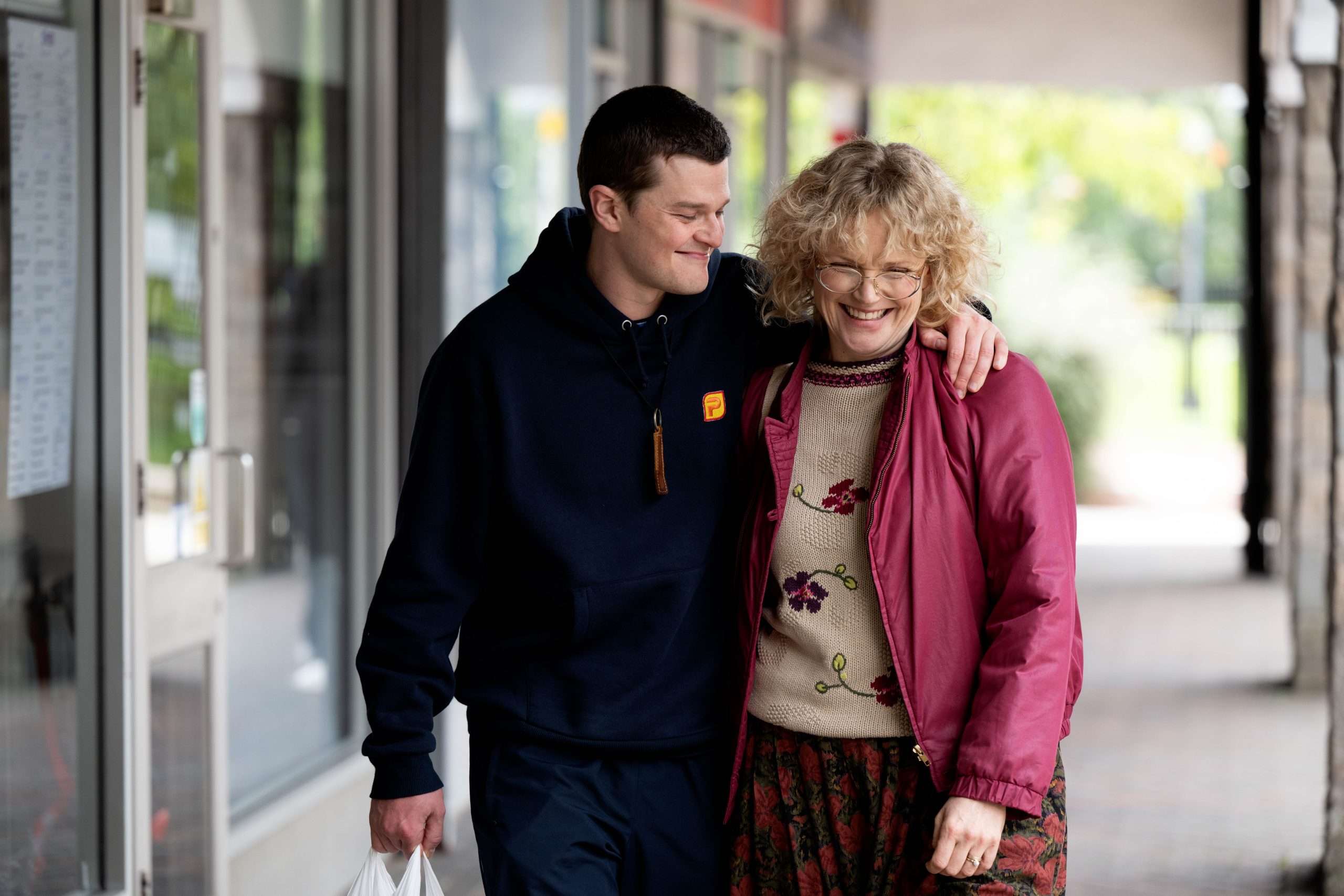
Understandably, some artistic licence has been taken to straighten out the story and simplify the telling of it. That irks me a little, as it portrays John’s mother in a crueller light that perhaps she deserves. But how are we meant to know what it was really like, as outsiders to their experiences?
I wanted to learn more so I watched a few documentaries the BBC made with John.
The BBC 1988 documentary “John’s Not Mad”, directed by Eleanor Bron, followed John’s plight at the age of sixteen. “Why me, why not folks who are criminals? Deserve it?”, John asks the camera. He was finally diagnosed at the age of fifteen, following six weeks of doctors’ visits, and years of steady increase in symptom severity. The condition furthered strained his parents’ fraying relationship and John’s mother was left raising three children on her own. While his mother, as a nurse, accepted John’s Tourettes as a medical condition, her own mother insisted he was possessed and needed to repent, beg forgiveness at the church. The involuntary spitting wouldn’t have helped.
At that time in 1988, awareness of the condition was rare and it was posited there were approximately 1 in 3000 people with Tourettes. Nowadays, it’s estimated to affect one 1 in 100 UK children with similar statistics in Australia.
The 2002 follow up documentary “The Boy Can’t Help It” shows when John reached his twenties. Only 10% of people with Tourettes were believed to also display involuntarily swearing. The documentary also follows the story of others with the condition, yet at that point, John had never met previously met anyone with Tourettes.
“In that moment I feel like crying, because my head’s hurting so much”, 8 year old Greg Storey tells the audience. At that time, his involuntary tics involved facial grimaces, violent movements, outbreaks of squeals and squeaks, rocking in his chair while visibly exhausted. The toll it takes on him, and his parents, is clear. Seeing him sobbing while cuddling his mother, and hearing his father reveal the young boy had even asked his parents to kill him more than once, is devastating. Thankfully, Greg’s life is tempered with the understanding and support from many classmates and teachers, there’s a gorgeous excerpt shown of his school play and afterwards the beaming young boy gushes “every single girl in the school loves me… they say I’m like a teddy bear”. He’s adorable, it’s probably true! And already at that age discusses gene editing with bright curiosity.
John is so bright and savagely funny. In the documentary, he laments not being able to pursue more interesting work such as joining the army, but admits it’d be tricky working in the army as a sniper with Tourettes, acting out the disastrous scenario.
The 2009 documentary “I Swear I Can’t Help It” (aha!) revisits John and Greg, exploring whether increased awareness has made life any easier for them. Greg continues to be a ladies’ man, assuring the camera he’s “one of the sensible ones”, plays the drums, is studying for his GSCE exams and finally has special education assistance again after three years of applying. He is doing well, despite experiencing close to a thousand ticks a day and briefly battling with narcolepsy on top of all his other ailments after the previous documentary.
John continues to work at as a caretaker for a local community centre. He is also a member of charity Tourette Scotland, established in 1994, and organises weekend getogethers with adults and children affected by Tourette Syndrome so they can share their experiences. One of his friends developed Tourettes in his early thirties, especially challenging as a father with two children and a job as a pharmacy dispenser which he ultimately lost. John’s work involves teaching the police, educational establishments, and the broader community to improve their behaviour in response to it.
The cause of Tourettes is unknown and there is no cure. Unfortunately, awareness is still limited and there are still claims that people suffering from it are either pretending or using as an excuse for antisocial behaviour. The recent chaos at the BAFTAS ceremony, disappointingly, is no exception.
Considering the BBC have made no fewer than four documentaries with him and his work as an executive producer to “I Swear”, rightly earned him a place in the room, it’s shocking to learn that a poorly placed microphone near John, forty rows back from the stage, resulted in his involuntary outbursts being heard by the audience. One such instance was not edited out, despite a two hour delay between filming it and broadcasting to television. Cue an Internet explosion of opinions from keyboard doctors.
I loved this film and will tell everyone I can about it. Hopefully this will prompt discussions and greater tolerance.
9 out of 10 stars
“I Swear” hits Luna Cinemas on 26 March 2026
More information about Tourettes is available here.
* By Gayle O’Leary.
If you’d like to catch up on more by Gayle here on Fremantle Shipping News, look right here!
~ If you’d like to COMMENT on this or any of our stories, don’t hesitate to email our Editor.
~ WHILE YOU’RE HERE –
PLEASE HELP US TO GROW FREMANTLE SHIPPING NEWS
FSN is a reader-supported, volunteer-assisted online magazine all about Fremantle. Thanks for helping to keep FSN keeping on!
~ Don’t forget to SUBSCRIBE to receive your free copy of The Weekly Edition of the Shipping News each Friday!