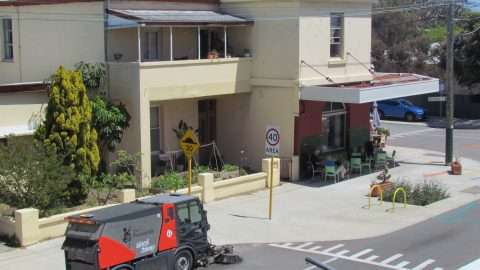
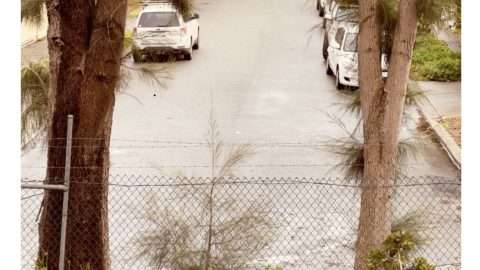
In this popular Fremantle Shipping News feature – My Favourite Freo Street – we ask a range of Freo folk to nominate their favourite street and tell us why they chose it. In this contribution, Gerard McCann* – who once lived in Gold Street, South Fremantle – takes a journey down memory lane and explains why Gold Street is (still) his favourite!
We moved to Gold St in 1977, a new generation of young, part-time working couples and individuals. The population was mainly Italian, with a few Portuguese families. Some older Australian families, Mrs Allison particularly, lived in weatherboard cottages on the sea side of the then abandoned park that sat by the intersection of Gold and Francisco Streets.
In a sense we were the start of a grass-roots gentrification movement, except no-one had much money and the cars were all third-hand. We bought terrace houses for next to nothing. In this sense, an ‘alternative’ community grew organically as the immigrant, mostly Italian families began to migrate south to Spearwood where there was more land.
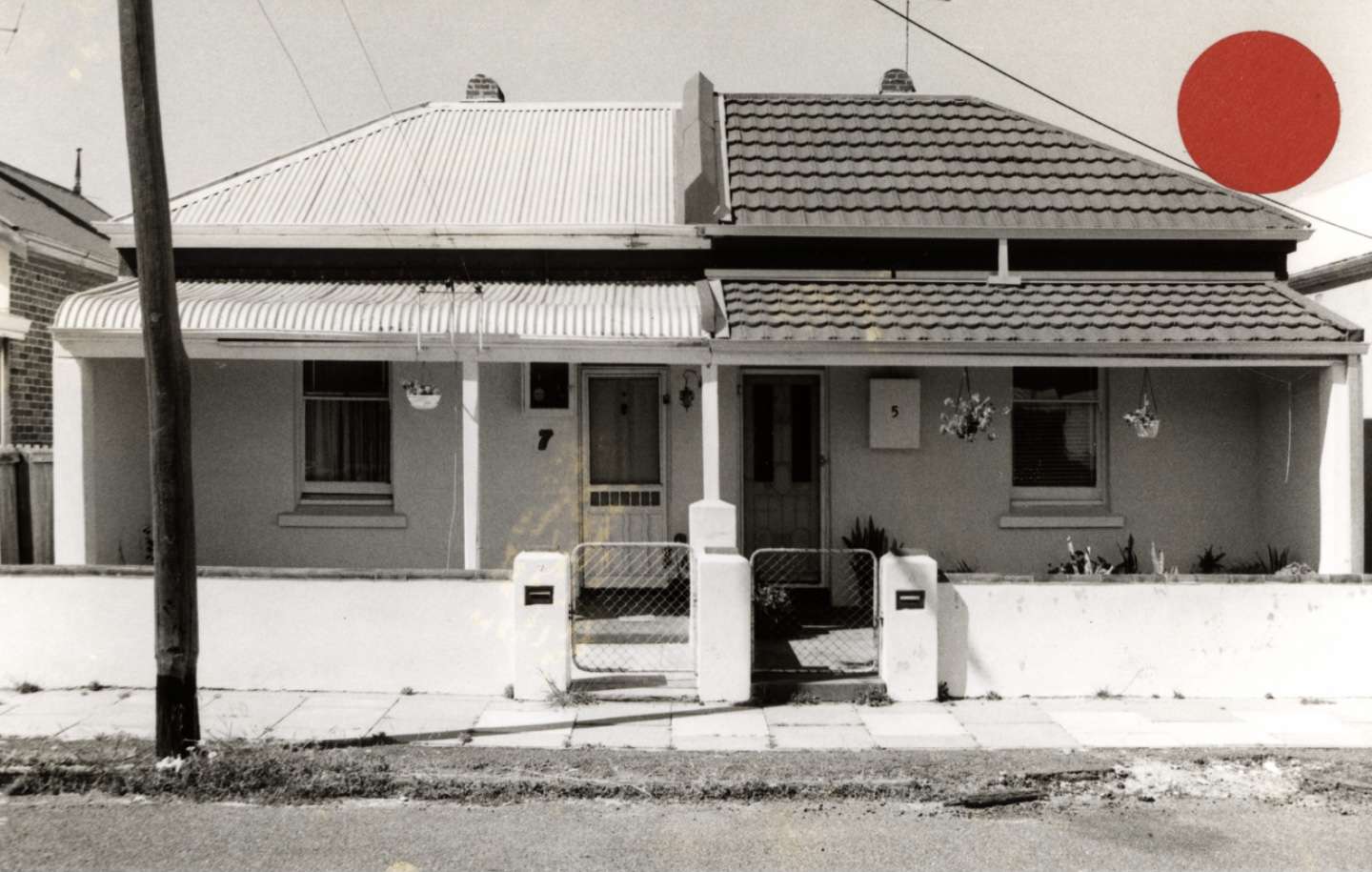
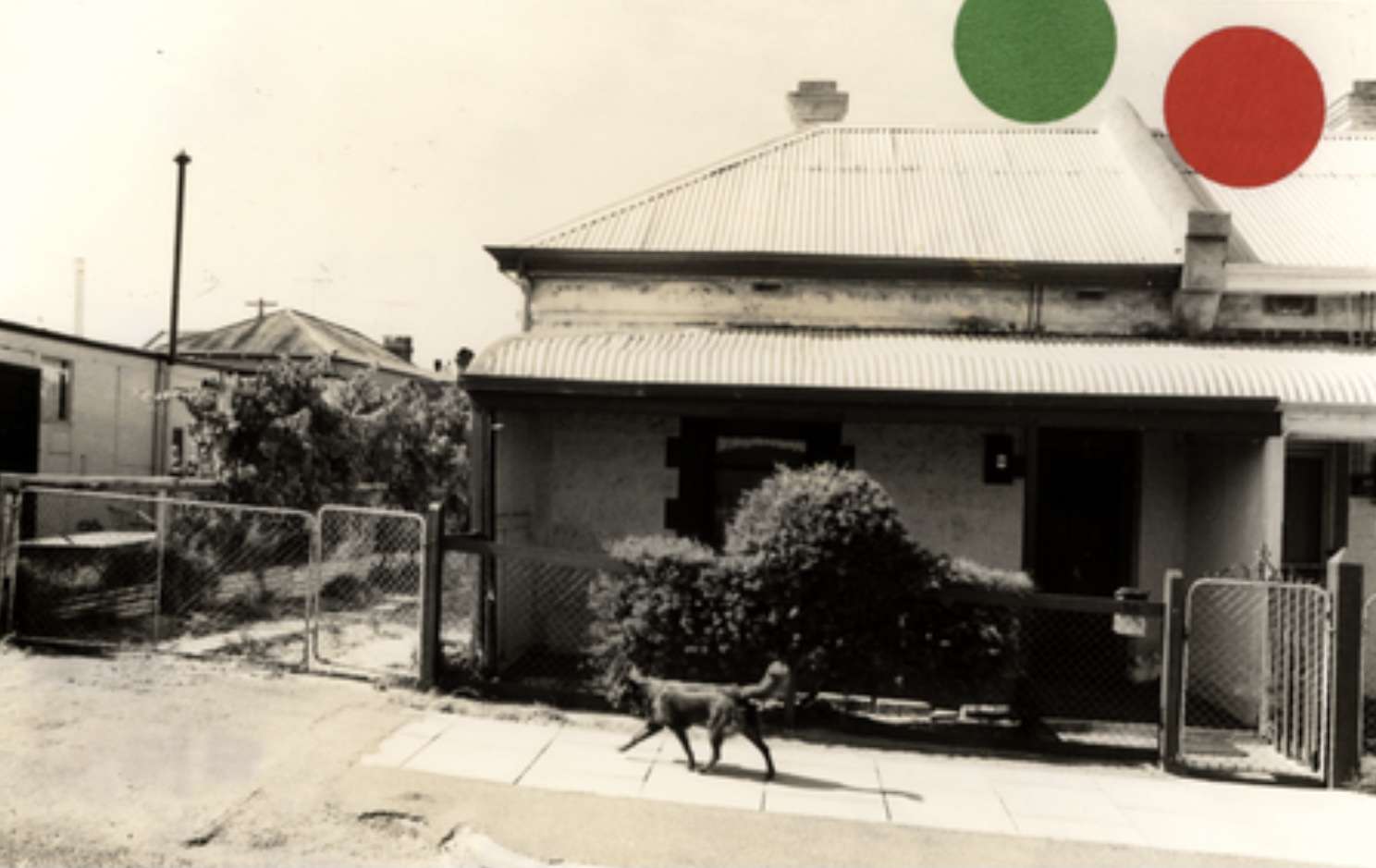
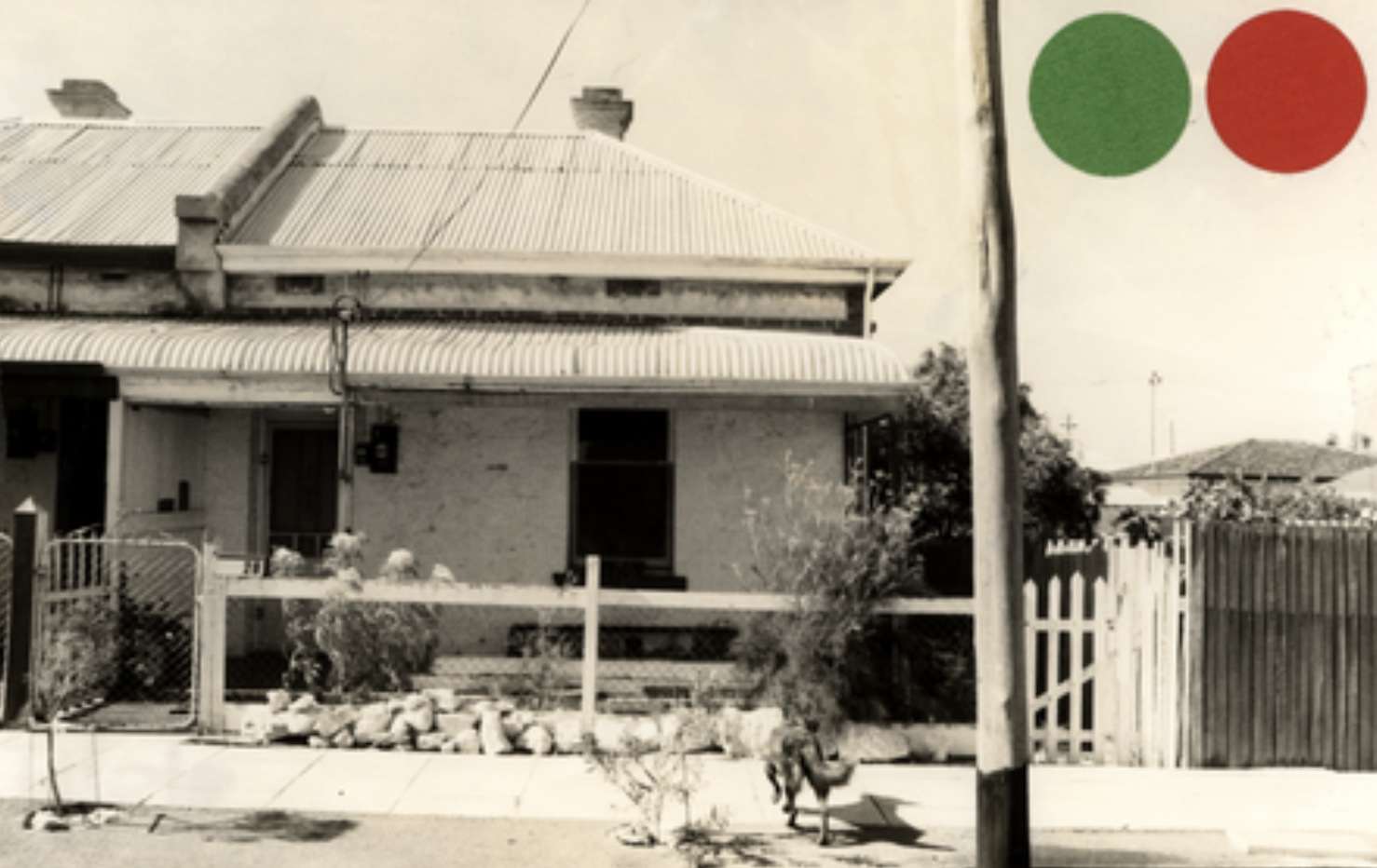
Nos. 5/7, 26 and 28 Gold Street in the late 1970s. Source 1978 Fremantle Society Photographic Survey that you’ll find here on the FSPS Freopedia site
There were no trees. One of the first actions to green the neighbourhood was to pull up paving slabs and dig into the asphalt footpaths in the dead of night. And plant trees. There were olive trees, melaleuca quinquinervia, E. leucoxylonrosea and E. torquata. They’re all still there today. Nervous at this guerilla gardening lest the Council rap us on the knuckles, no one said a thing; yet, after a year or two, the Council Parks and Gardens Department started coming around and tending the trees, trimming off dangerous or overhanging branches.
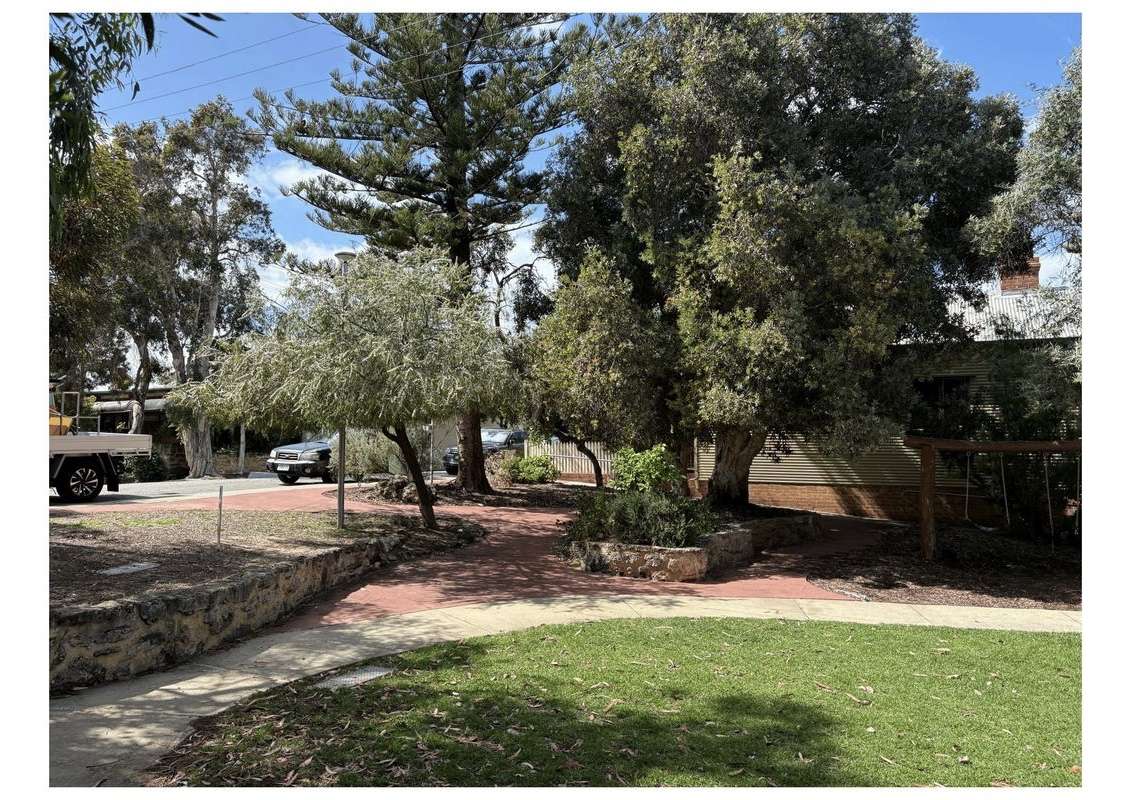
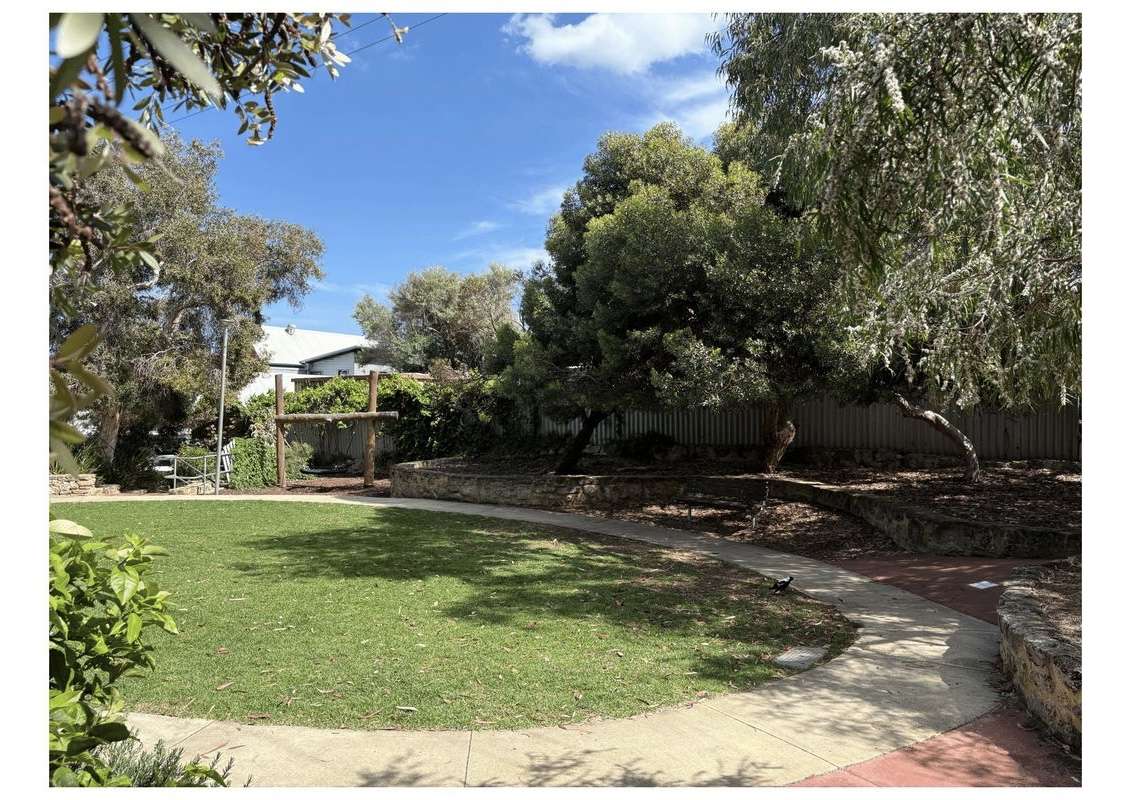
In those days, Gold Street ran uninterrupted from Coral Street in the west through to Attfield Street in the east, past an abandoned park in the dogleg of Gold Street at Francisco. The park was the next focus. Its mostly dead Tuart, rusty swing and broken glass were not drawcards. After multiple discussions with Council, residents, and the Playground Consultant, Alross Whitttington, we drew up a community park plan. One older Italian gentleman was very upset at the proposal that formed part of the plan, to close Gold Street to enlarge the old park, his concern being that the fire brigade would not be able to turn around in the event of a fire. With funding approved, however, Council closed the street and earthmovers shaped and terraced the hillside. A load of limestone rubble and a large pile of sand were delivered into the new cul-de-sac.
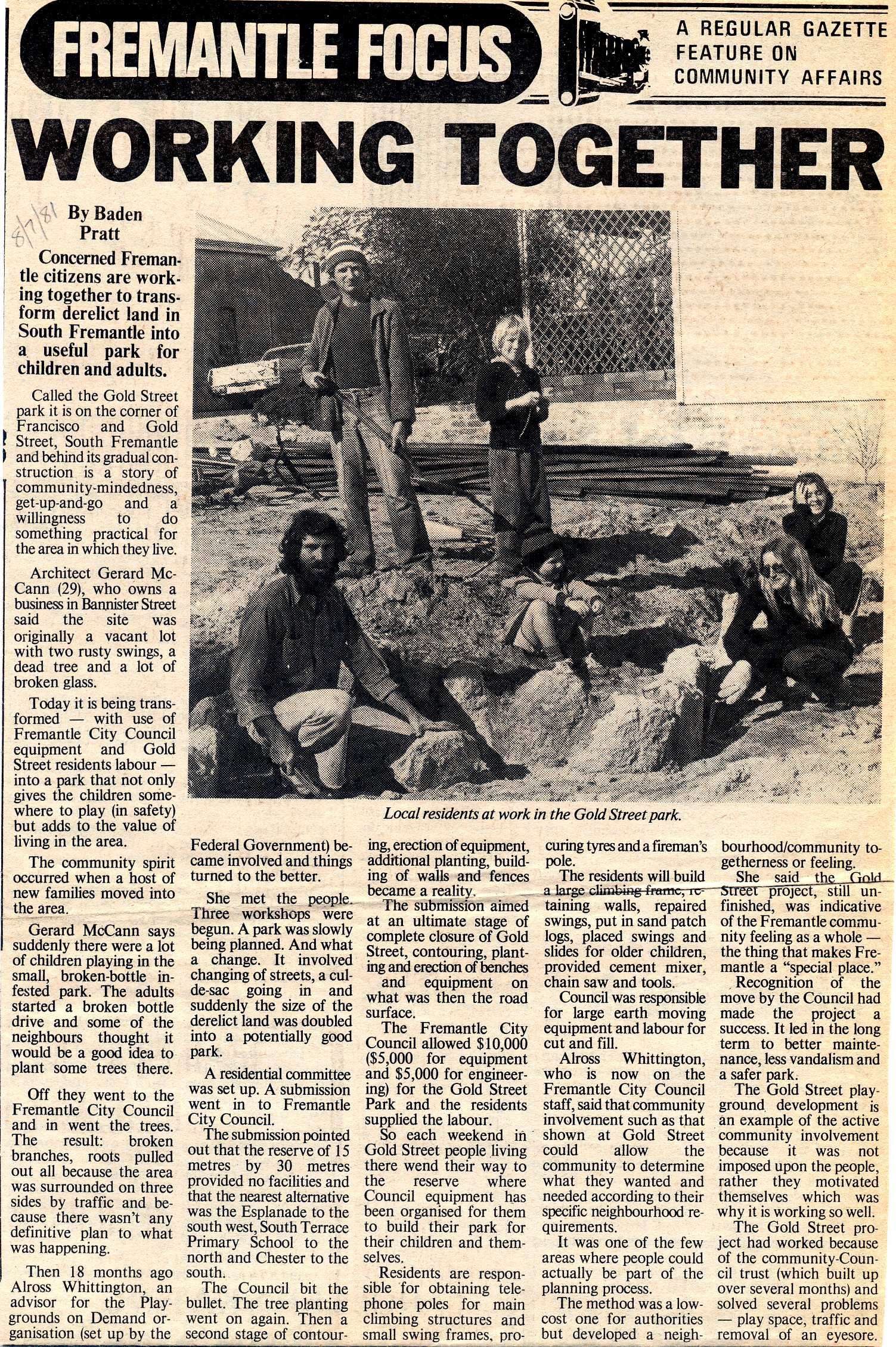
On Friday afternoons, the Council’s Works Supervisor would drop off a cement mixer, lime and cement and the weekend saw the nearby residents building retaining walls, curving them in and out in a display of sensible retaining but also non-conformity to the geometric rules of Planners. The Supervisor would then pick up the mixer on Monday morning. Trees were planted and we picked up a spare swing at the Council depot, painting it an aqua, ice-cream colour.
The original play equipment, reticulation and paving and the park itself** have all been upgraded over the years but the shape is still there and the trees are magnificent. The Norfolk pine – just one, was planted where it would not interfere with winter sun in Marilyn Dimond’s house to the south, or bother the overhead wires. The remainder were indigenous, melaleuca quinquinervia, leucoxylon rosea and torquata.
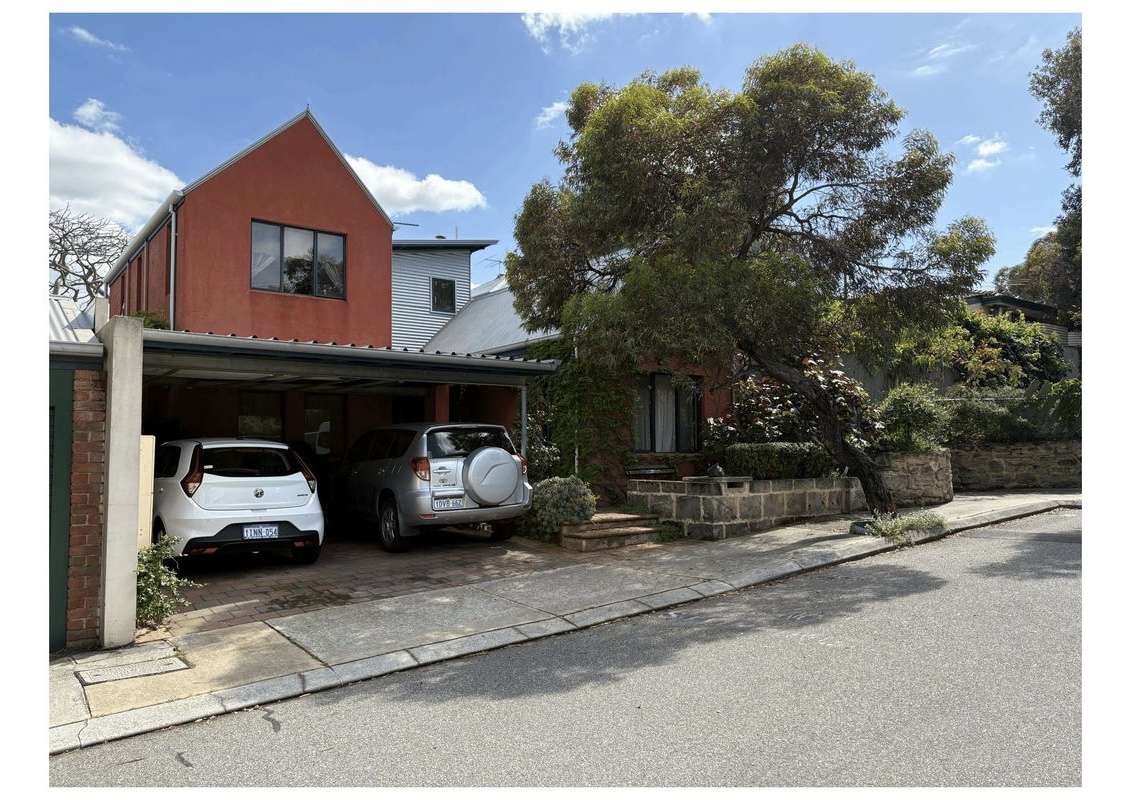
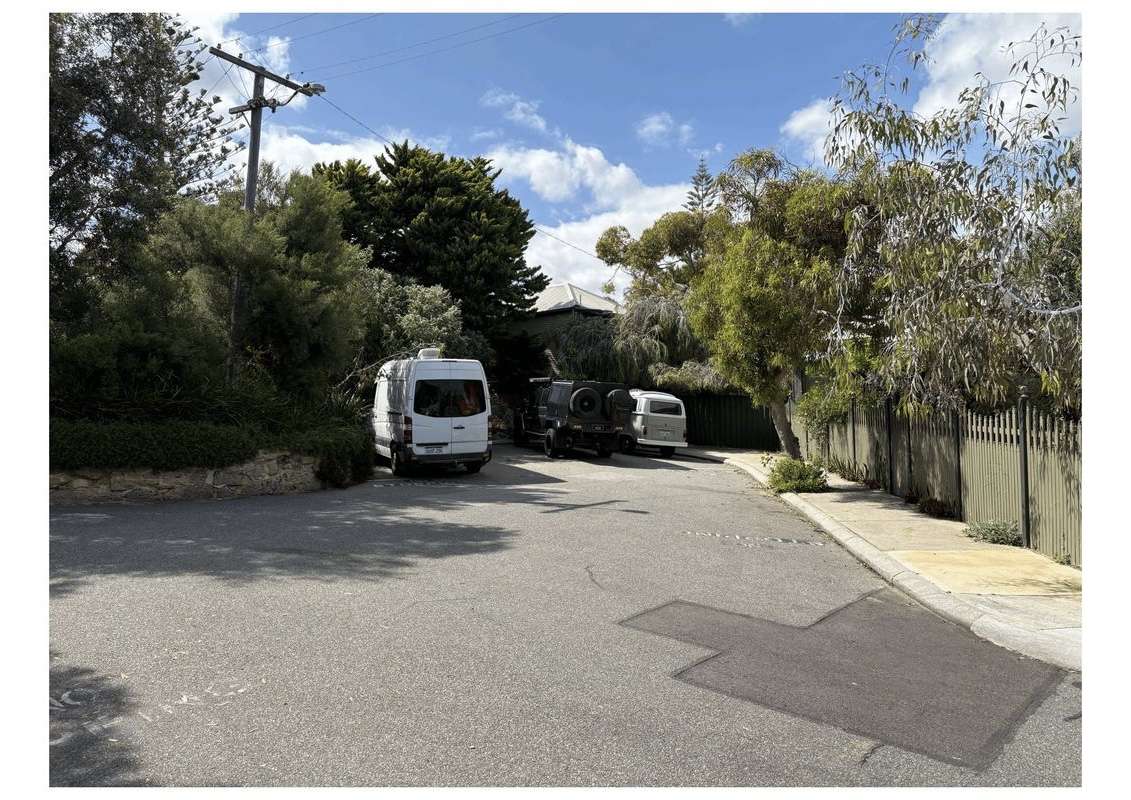
On the corner of South Terrace, the south side lot was vacant and was where the Italian fishermen made their cray pots. The rusty steel jig sat in the middle and the fire bin to one side, where the canes were heated and bent over the jig. The stack of completed cray pots grew at the east end.
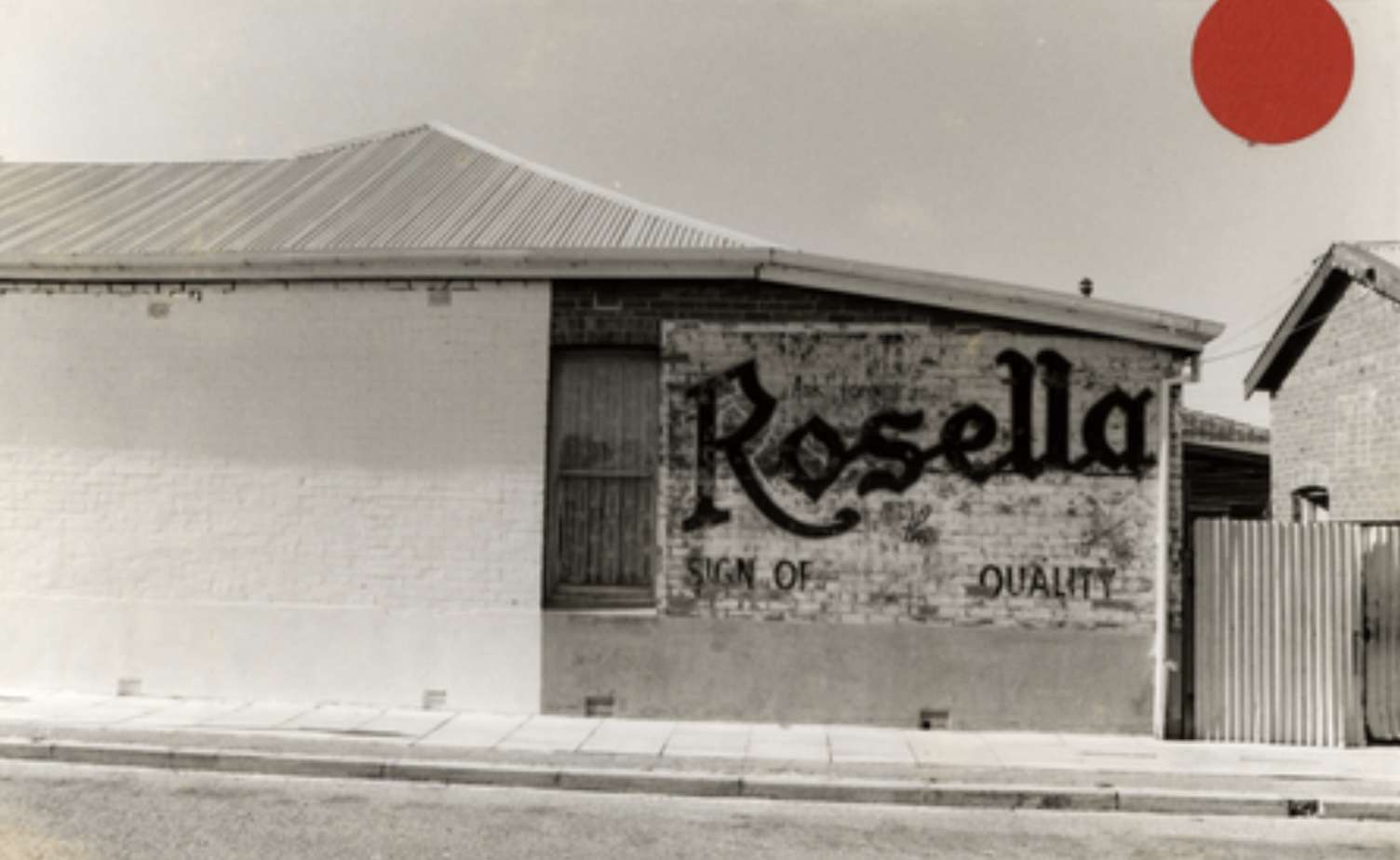
On the north corner was the deli. Further up towards the park lived Irene and her mum, a sweet soul who, being blind, never left the house. Their house, timber framed and clad in corrugated iron, had a dirt floor and a tap at the back and amidst piles of newspapers in the rooms roamed a world of cats. If cats got stuck, or there was a problem with the water, Irene would come and find someone to solve the crisis, including once removing a sheet of corrugate iron from the wall to rescue a mewing kitten.
On the other side of the park in Gold Street lived Mick O’Hara and Cas, young and carefree. He was a used-car salesman who sang in rock bands.
Next door were Connie and Carmelo. Connie always had a dust apron on and rarely left the house. Camillo, a former opera singer in Italy, now did house painting when he wasn’t dressed for a night out and strolling down to Monte Bianco in town. Occasionally he would sing and the street stopped. And then Connie was pregnant and had a baby daughter. It was a miracle they said. Camillo now strolled the street with her in his arms.
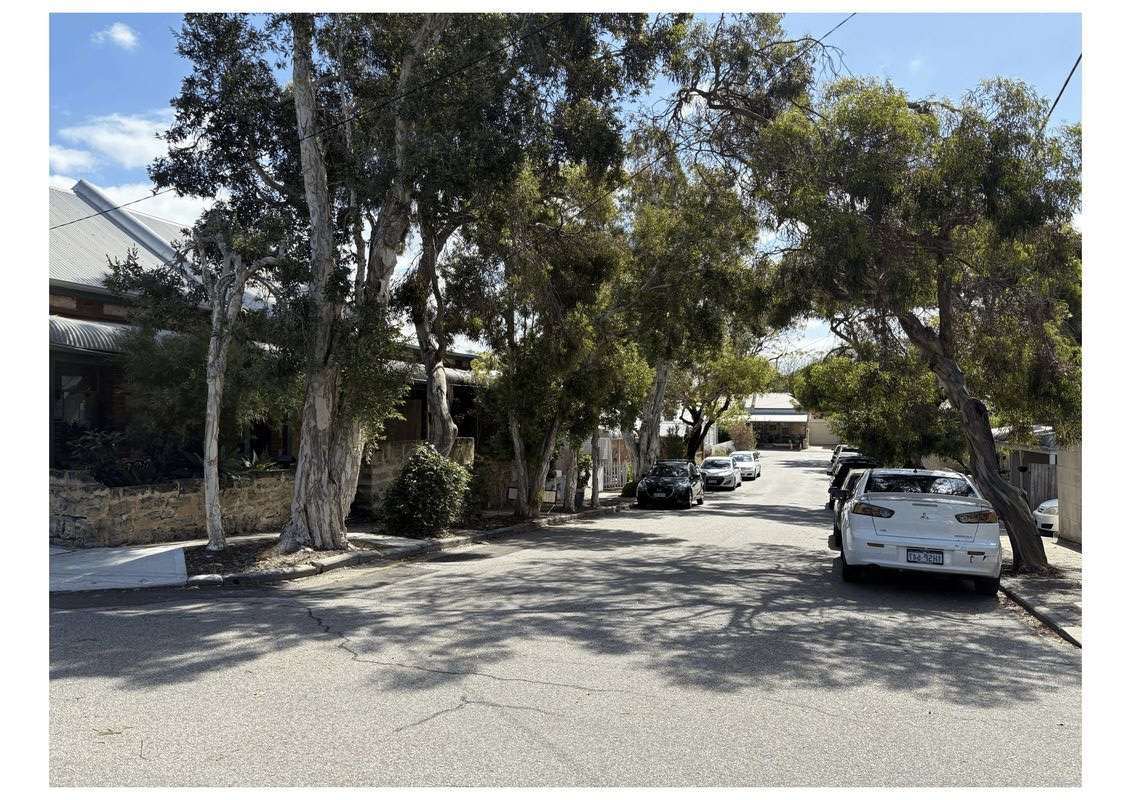
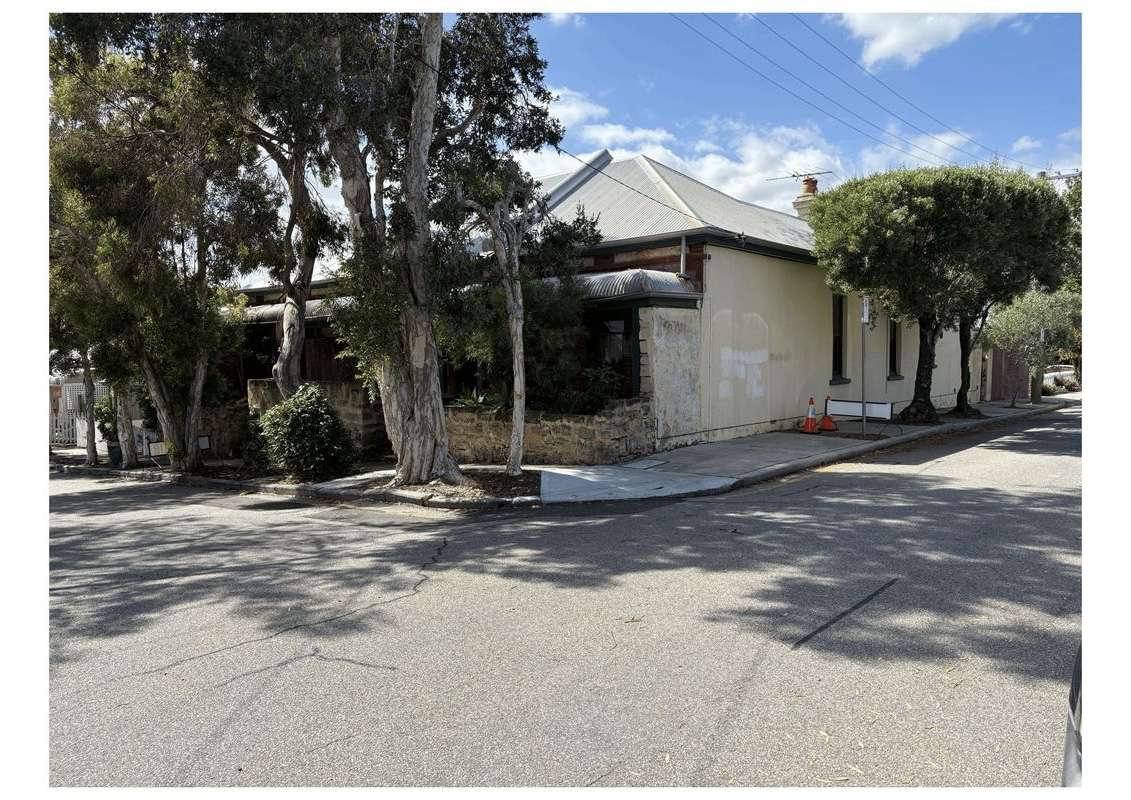
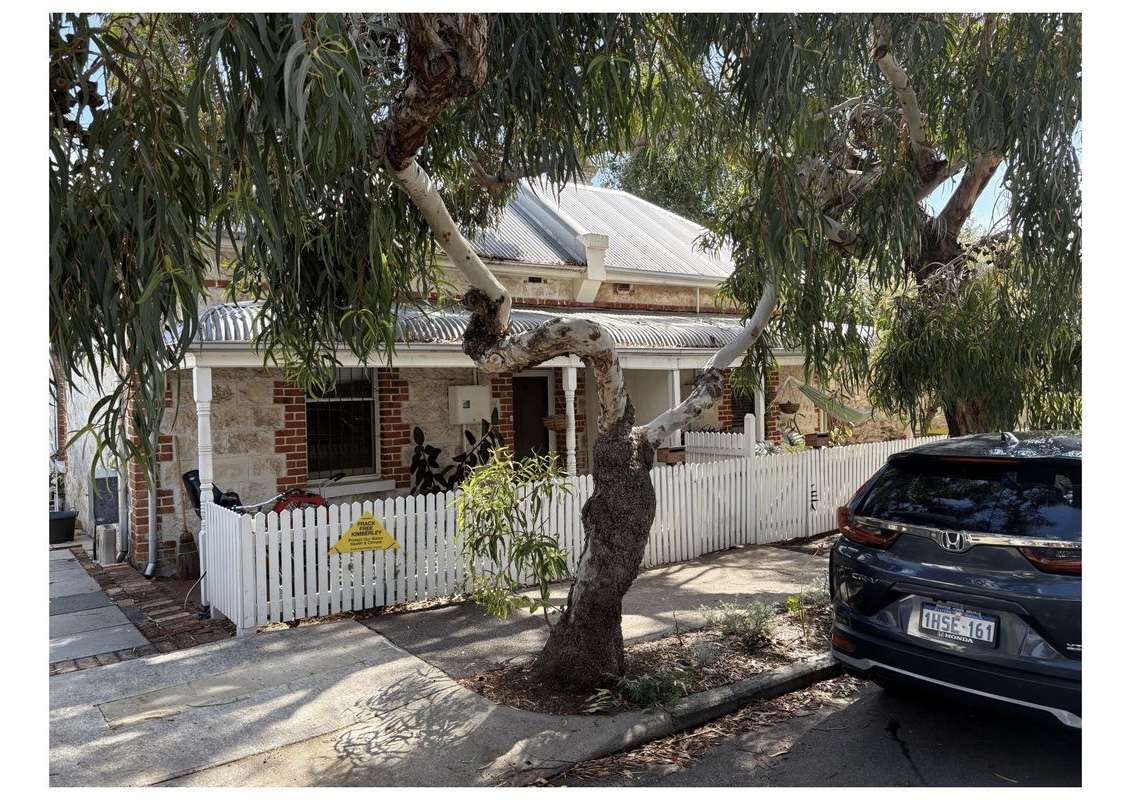
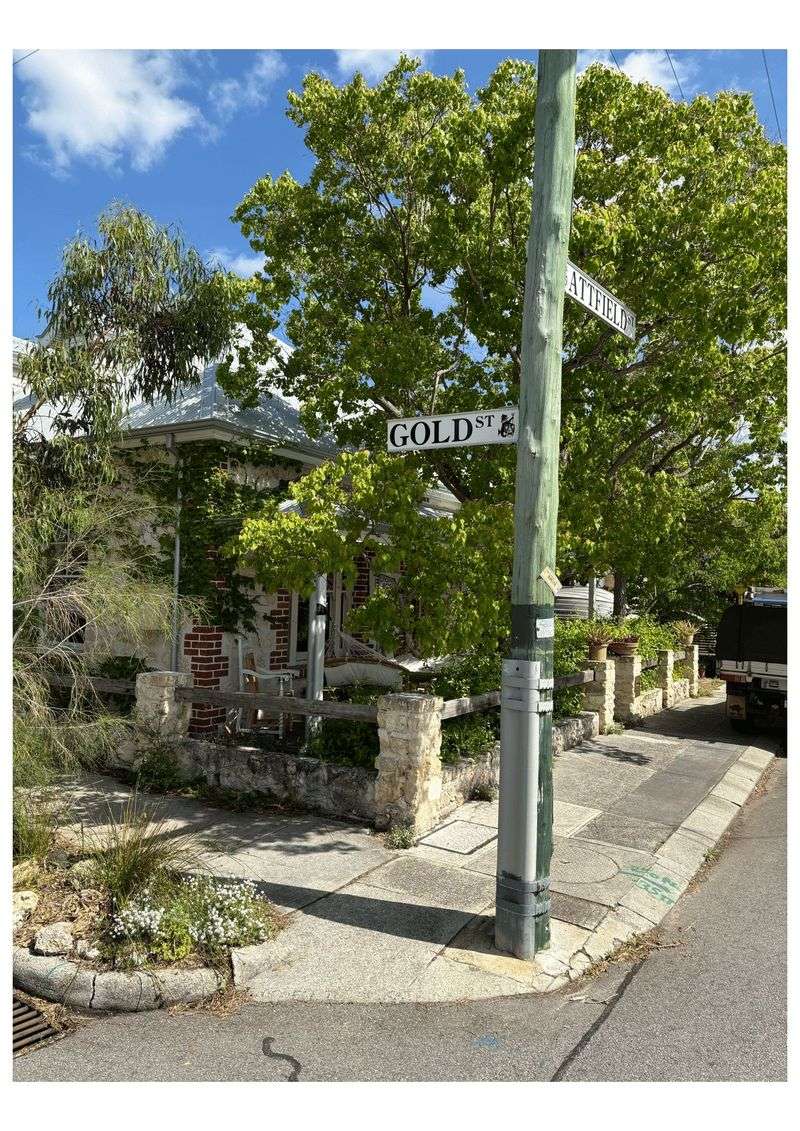
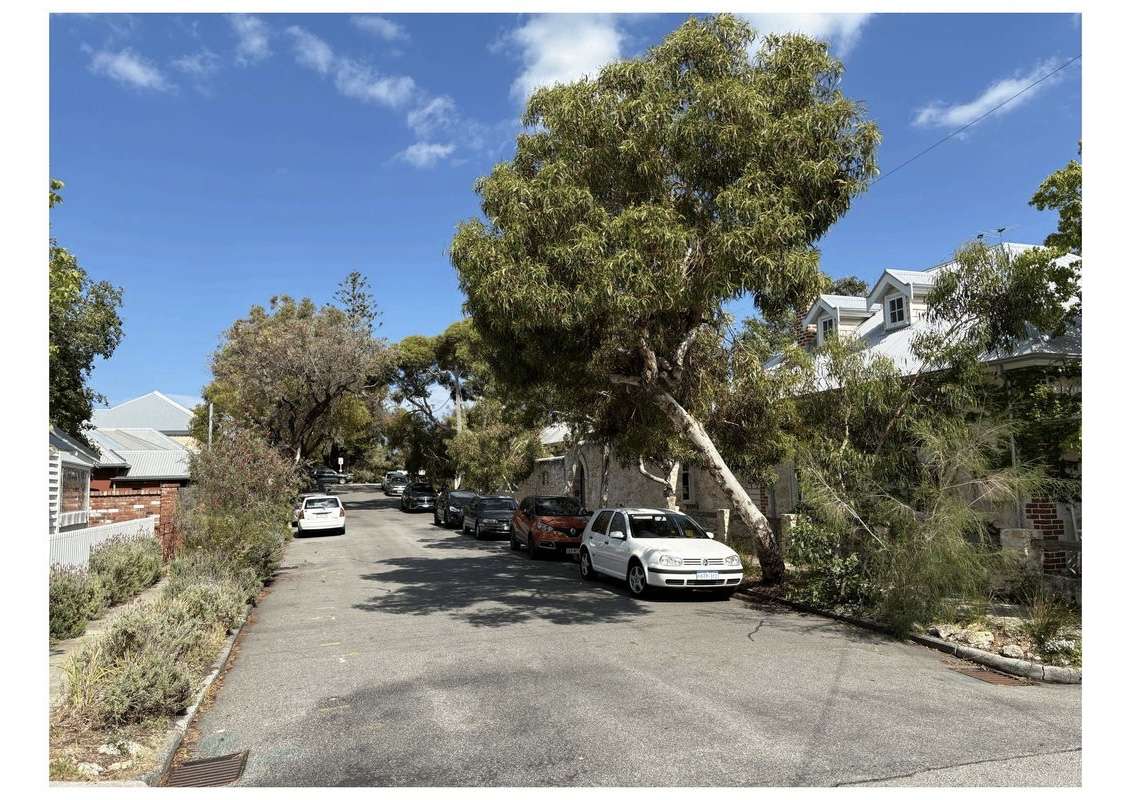
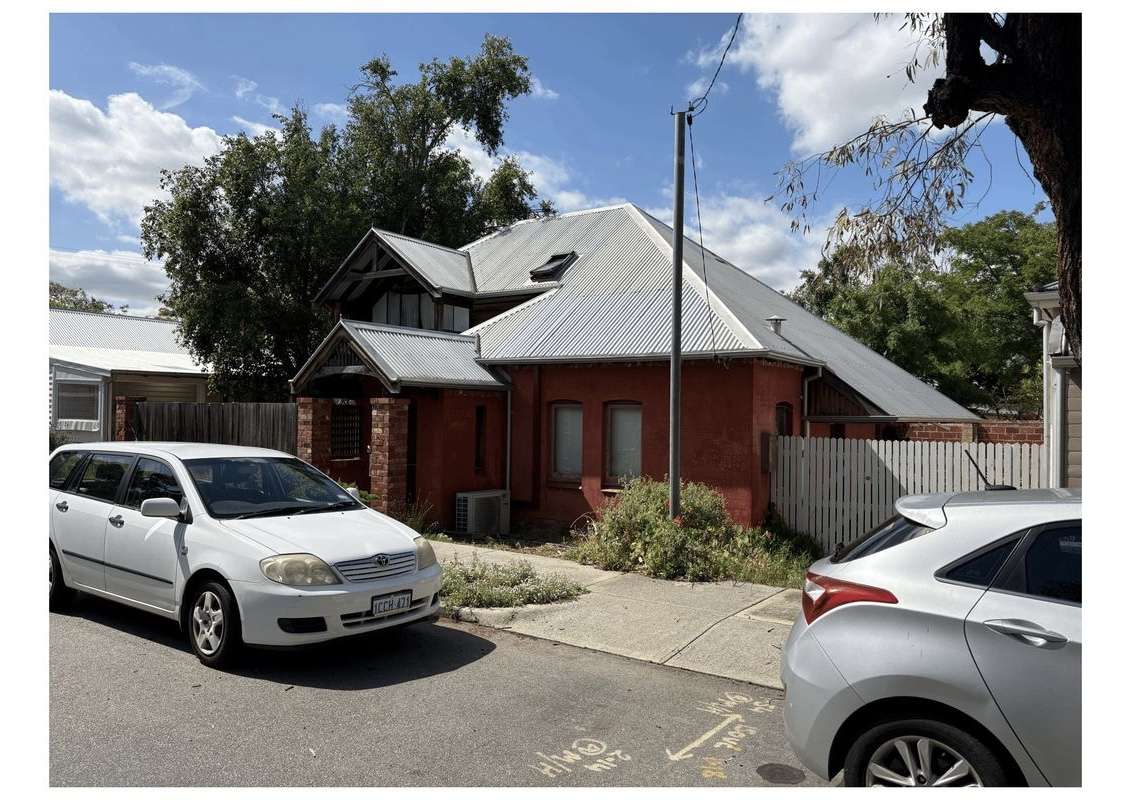
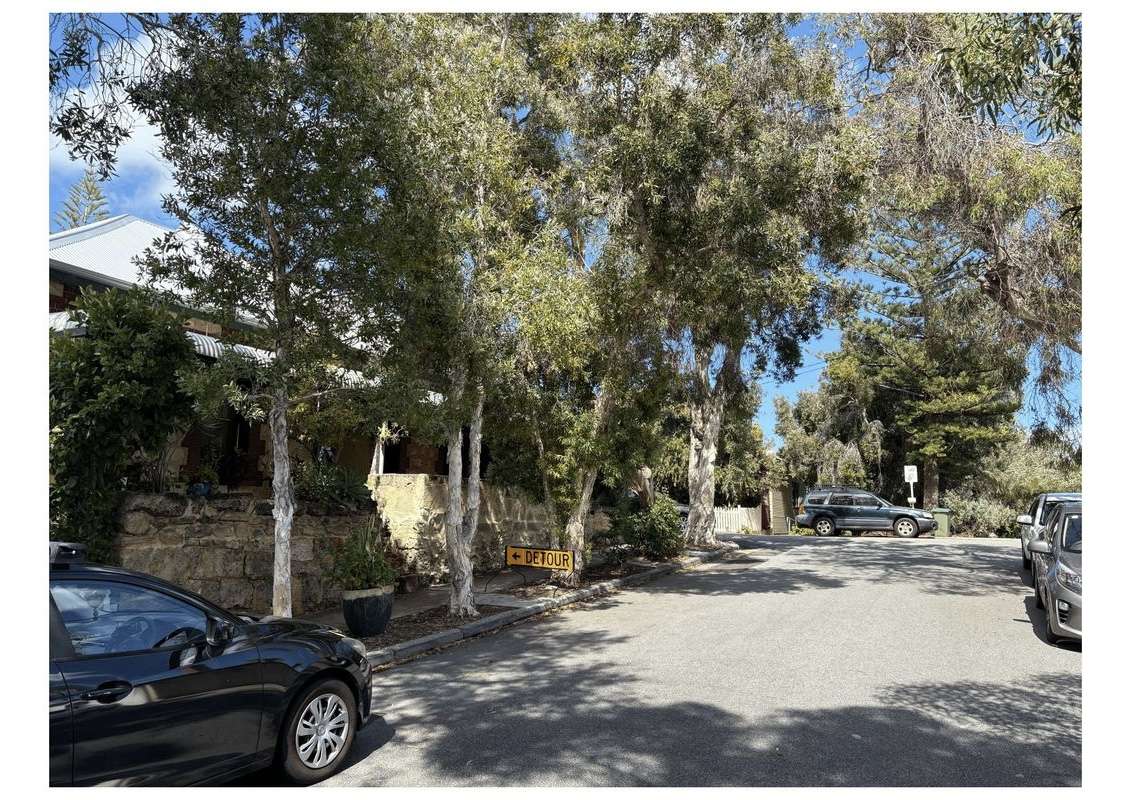
Slowly the terrace houses were strata-titled and renovated, the trees grew, children were born and new families formed. The park was where they played as the terrace houses had no gardens. Vacant land started to have infill housing in red render championed by a local architect. The olive trees bore fruit and the older Italian women came every year to pick them, chattering as they worked, retreating with their baskets under their arms.
Curiously, the west side of Gold St between South Terrace and Marine Terrace in our imagination was not really Gold Street. You may have walked down it to Coral, but in those days, it had no trees and was, unlike the two eastern segments, sandwiched by traffic.
Reflections.
Gold St reflects the community that built and nurtured it 45 years ago, and in that sense, the people, the trees, the park, the restored houses, the sensitive infill housing still embody that urban renewal pioneering spirit. It was, and still is, my favourite street.
*Gerard McCann, after moving to South Fremantle in 1977, worked for a builder for a number of years simultaneously as an architectural practice grew by default. Working from a number of offices around Fremantle, his practice grew and he was one of the architects that became known as the Fremantle group. In 1985, he joined Brian Klopper’s cooperative office where a number of architectural practices worked alongside each other. In the Fremantle spirit, the cooperative collaborated with a number of firms to become a strong influence in the heritage assessment, preservation, restoration and adaptation of Fremantle’s heritage buildings and townscape. Ending his career in North Fremantle in 2024, Gerard now writes in his spare time. (Btw, the author is the artisan pictured bottom left in the old Working Together photograph above!)
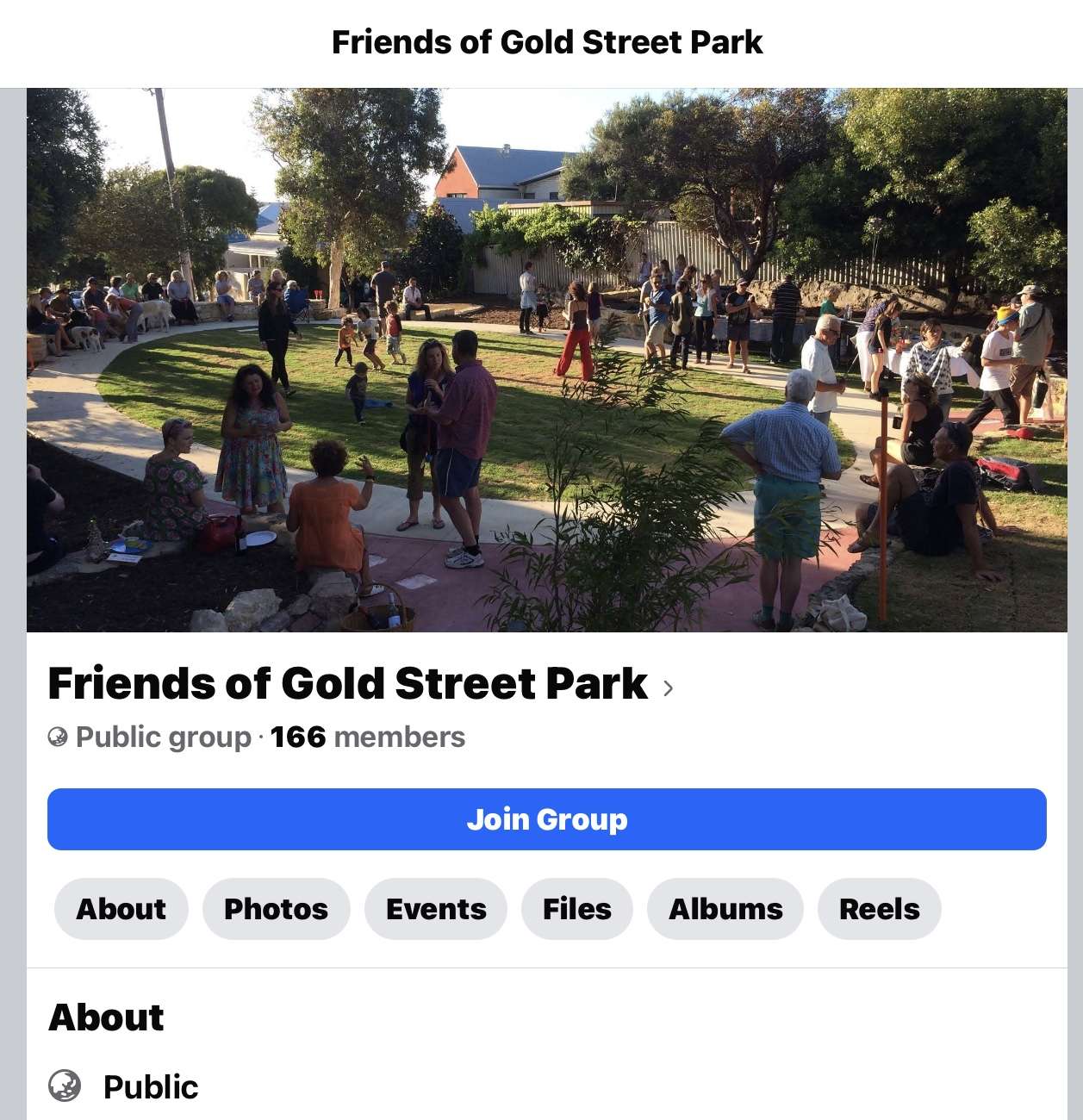
**The Gold Street Park in its latest transformation continues to be well-loved and well-used and has many friends many of whom you will find on this Facebook page.
~ You will find more My Favourite Freo Street articles right here
~ If you’d like to COMMENT on this or any of our stories, don’t hesitate to email our Editor.
~ WHILE YOU ARE HERE –
PLEASE HELP US TO GROW FREMANTLE SHIPPING NEWS
FSN is a reader-supported, volunteer-assisted online magazine all about Fremantle. Thanks for helping to keep FSN keeping on!