The ABC has just reported that the Cook Labor Government will no longer seek to introduce interim emissions targets in 2023 through its proposed Climate Change Bill, and will now replace it with the Green Energy Powerhouse Bill, which will scrap interim emissions targets and introduce a range of “decarbonisation” targets.
It has to be said that this appears to be the second step of a ‘one step forward, two steps back’ energy emissions strategy. At the beginning of this week, the Shipping News was trumpeting – under the bold banner, Historic Renewable Energy Build A Big Deal – the weekend announcement by the State and Federal Governments of a major State renewable energy build over the remainder of this decade that would produce enough energy to meet the needs of nine in ten WA households. And now we have the confirmation that emissions targets are no longer going to be legislated. Disappointing to say the least.
There is a simple political truth that rarely fails: governments do not abandon targets they expect to meet. Targets are dropped when they become inconvenient, embarrassing, or impossible. Western Australia’s decision to strip emissions reduction targets out of its climate legislation falls squarely into that category.
The Cook Government insists this is merely a “reset,” a “reframing,” a shift toward “practical decarbonisation.” But the public can see the shape of the thing. If WA were on track, the targets would still be there. You don’t throw away the scoreboard when you’re winning. A State that is responsible for more fossil fuel emissions than any other, just doesn’t want to own up to the reality.
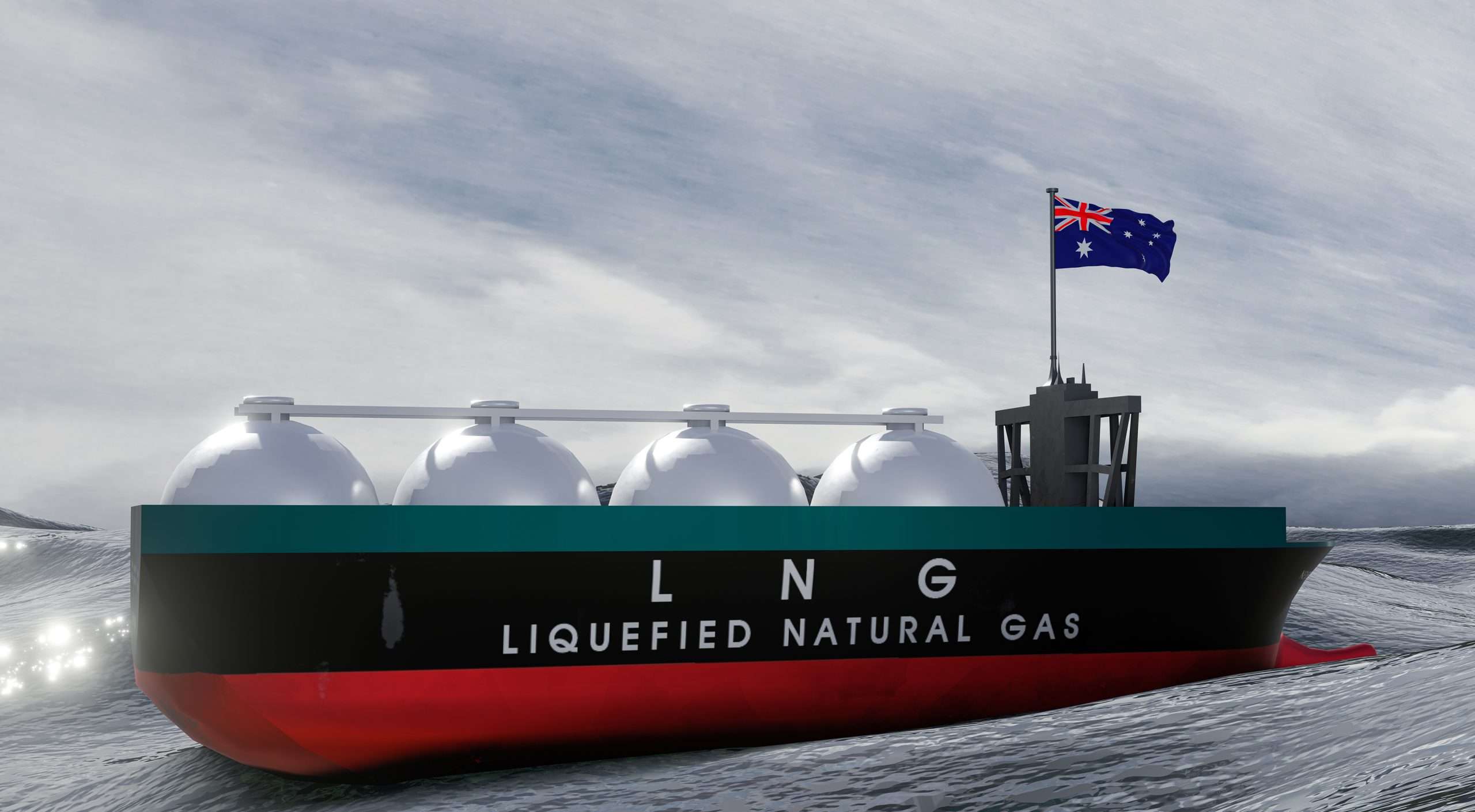
Source IEEFA.org
WA is the only state where emissions have risen dramatically since 2005 — up more than 50%, driven almost entirely by LNG expansion. Every other state has managed to bend the curve downward. WA has not. And now, instead of legislating a path to catch up, the government proposes to legislate its way out of scrutiny.
The message is unmistakable: “We can’t meet the targets, so we’ll remove them.”
And we have to say, the ‘global decarbonisation’ argument is a distraction. The Premier’s line – that WA’s LNG exports help other countries reduce emissions – is perhaps clever politics but poor climate policy. It reframes WA as a noble enabler of global decarbonisation, even as our own emissions rise. But climate science does not offer exemptions for States with profitable gas industries. As climate scientist Bill Hare confirms, every tonne counts, including ours.
And the claim that the State Government will be replacing emissions targets with ‘clean energy powerhouse’ targets is really sleight of hand.
The proposed new bill focuses on renewable energy, green hydrogen, CCS, and export capacity. These are fine ambitions, but they are not substitutes for emissions reductions. They are inputs, not outcomes. They allow the government to celebrate activity while avoiding the accountability of having emissions targets to meet. It’s the legislative equivalent of announcing a fitness regime that measures how many gym memberships you buy, not whether you actually get healthier.
And this policy move is happening at a time when every other State and Territory — except the NT — has legislated interim emissions targets. WA now stands apart, not as a leader but as a holdout.
The government’s claim that Federal targets make State targets redundant is unconvincing. States have always set their own climate trajectories. They do so because national targets are not granular enough to drive local change.
This is not climate leadership. It is climate avoidance.
A government confident in its climate plan would legislate the targets and meet them. If WA truly believed its decarbonisation strategy was robust, it would legislate the targets, publish the modelling, and show the pathway. Instead, it has chosen opacity over obligation.
Indeed, the Premier’s approach reminds one of the Federal Morrison Government’s half hearted climate policy approach which saw the then Liberal PM taking to the 2021 COP26 summit in Glasgow, a 129 page document titled “Australia’s long-term emissions reduction plan”, which outlined how new and existing technologies would drive emissions down to reach net zero by 2050.
Not happy, Roger.
By Michael Barker, Editor, Fremantle Shipping News.
~ If you’d like to COMMENT on this or any of our stories, don’t hesitate to email our Editor.
~ WHILE YOU’RE HERE –
PLEASE HELP US TO GROW FREMANTLE SHIPPING NEWS
FSN is a reader-supported, volunteer-assisted online magazine all about Fremantle. Thanks for helping to keep FSN keeping on!
~ Don’t forget to SUBSCRIBE to receive your free copy of The Weekly Edition of the Shipping News each Friday!