Before mocking Welcome to Country, Peter Dowding says folk should learn some History – from 80 years ago this week.
Those who deride Welcome to Country as divisive should first reckon with the truly divisive history of a State that once denied Aboriginal people wages, liberty and control over their own lives while profiting from their labour.
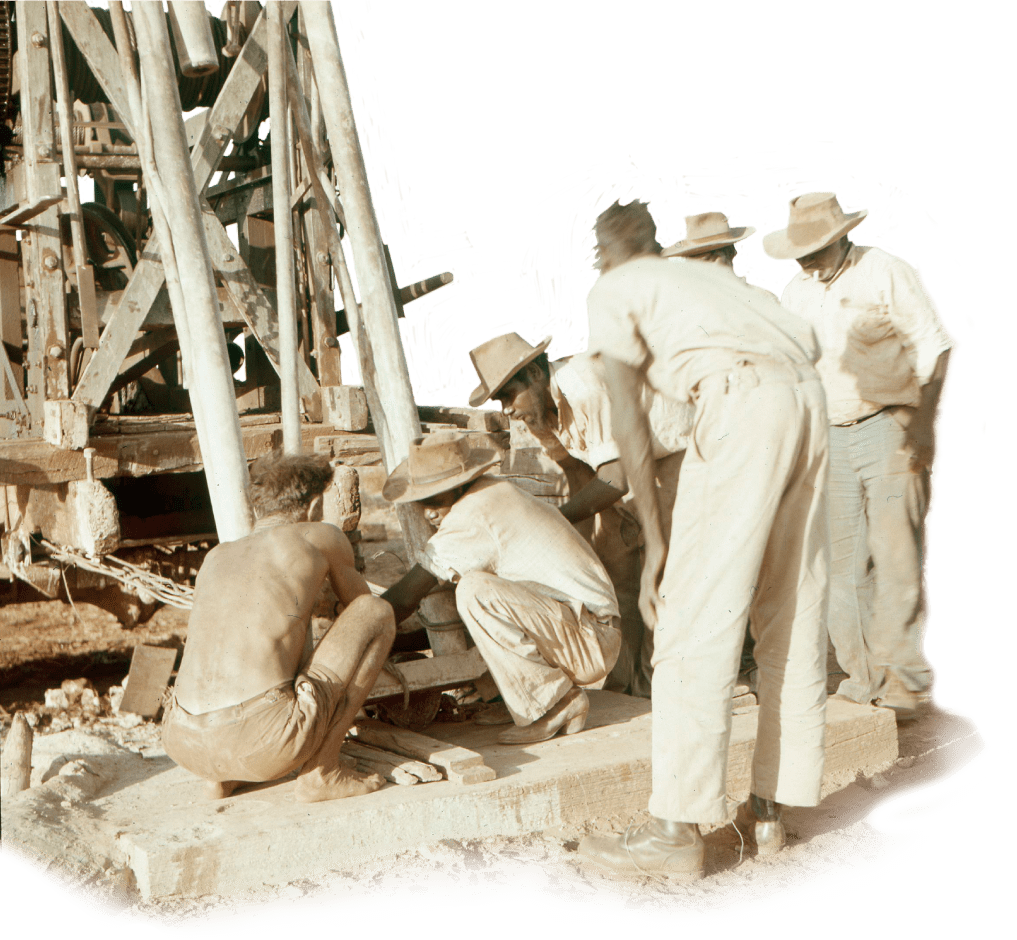
Source pilbarastrike.org
On 1 May 1946, more than 800 Aboriginal pastoral workers and their families walked off stations across the Pilbara. It was the beginning of Australia’s longest strike, but it was also a revolt against a system that had treated Indigenous people in Western Australia’s north as little more than a captive labour force on their own Country.
For decades before that walk-off, Aboriginal stockmen, labourers and domestic workers were not paid proper wages. Many were denied access to their traditional food sources and compensated with rations — flour, tea, sugar and tobacco — while station owners exercised sweeping control over movement, family life and work itself. Backed by the law and enforced by police, this was not merely harsh treatment; it was a regime of coercion that denied basic liberty.
Under Western Australia’s protection and native administration laws, Aboriginal people could be tied to stations through permit systems and official controls that made it extraordinarily difficult to leave employment freely. Contemporary and later accounts describe workers being pursued by police if they absconded, returned in chains, and subjected to brutal punishment. The pastoral industry depended on that subjugation, and supporters of the strike said so plainly at the time: it relied on a “cheap slave labour workforce” of Aboriginal men, women and children.
That is why the Pilbara strike matters now. When people today sneer at Welcome to Country, or mock public acknowledgments of Indigenous custodianship, or dismiss them as empty symbolism, they reveal either ignorance of this history or indifference to it. A society that once denied Aboriginal people wages, freedom and bodily autonomy on their own land can hardly claim that a brief act of formal respect has gone too far.
The leaders of the strike —whose names have become legend, including Clancy McKenna, Dooley Bin Bin, Peter Coppin and Don McLeod — organised for years before the walk-off began. They were not asking for special treatment. They were demanding the minimum conditions of a free people: cash wages, humane conditions, the right to choose their own representatives and the freedom to move on their own Country without permission from station managers or the police.
The response exposed the nature of the system they were resisting. Police arrested leaders, forced families from camps and tried to break the strike by cutting off access to water and rations. Yet the strikers endured for more than three years and built co-operatives and independent enterprises to escape dependence on pastoralists altogether. Many survived by collecting alluvial tin from Pilbara rivers and selling the tin to survive.
The strike did not end injustice overnight, but it broke the silence around it. It exposed the truth that much of Western Australia’s pastoral wealth had been built on underpaid and controlled Aboriginal labour, and it helped push the long struggle that eventually saw award wages extended to Aboriginal pastoral workers in 1968.
That is why the Pilbara strike should be remembered whenever modern Australia argues about symbols, ceremony and respect. that Welcome to Country is not an insult to the nation. The deeper insult was the system the Pilbara workers rose against, a system that took Aboriginal land, exploited Aboriginal labour, and then left a legacy with some later generations to resent even the smallest public recognition of prior ownership.
By Peter Dowding
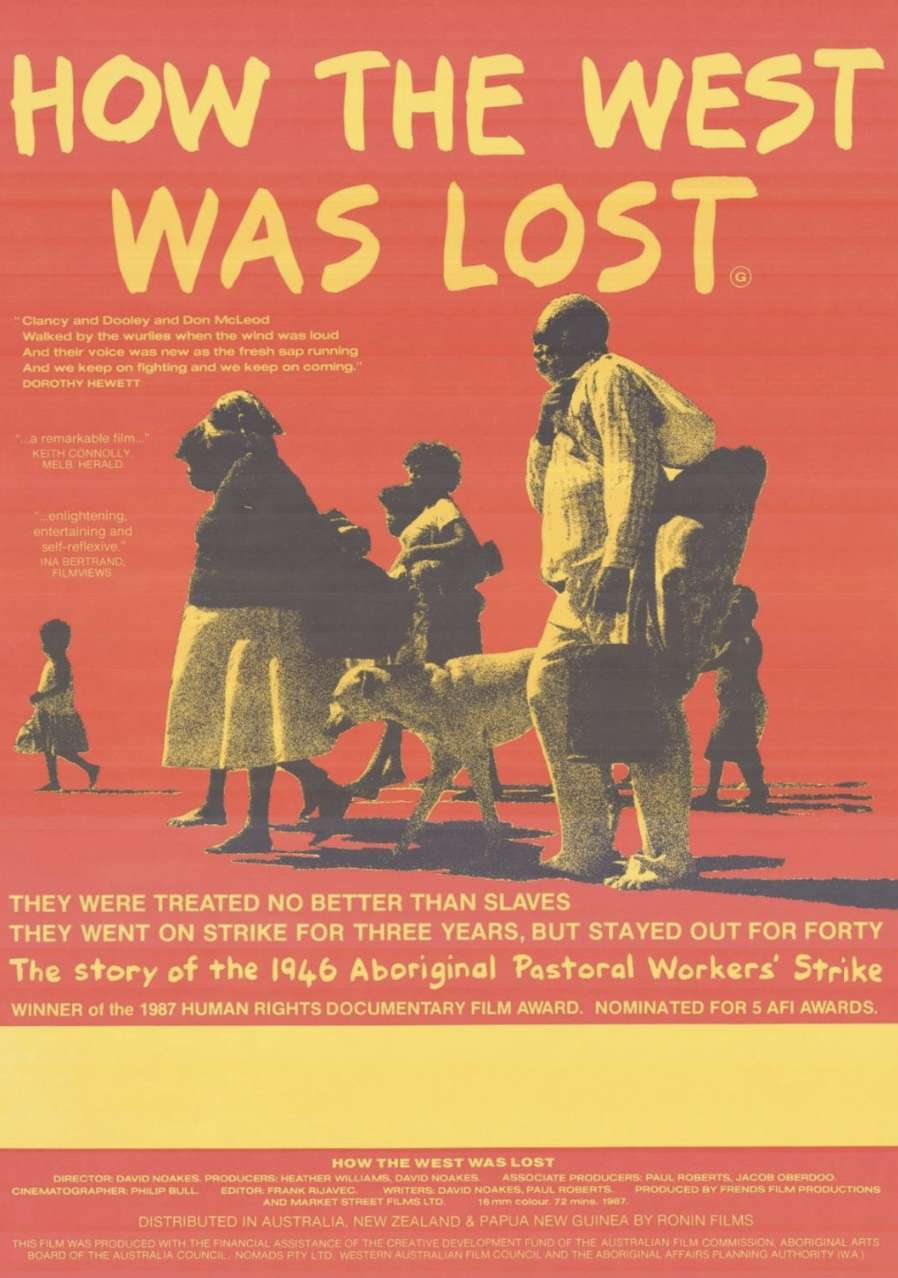
* See also our story on the making of the film How The West Was Lost and our interview with its director David Noakes
~ If you’d like to COMMENT on this or any of our stories, don’t hesitate to email our Editor.
~ WHILE YOU’RE HERE –
PLEASE HELP US TO GROW FREMANTLE SHIPPING NEWS
FSN is a reader-supported, volunteer-assisted online magazine all about Fremantle. Thanks for helping to keep FSN keeping on!