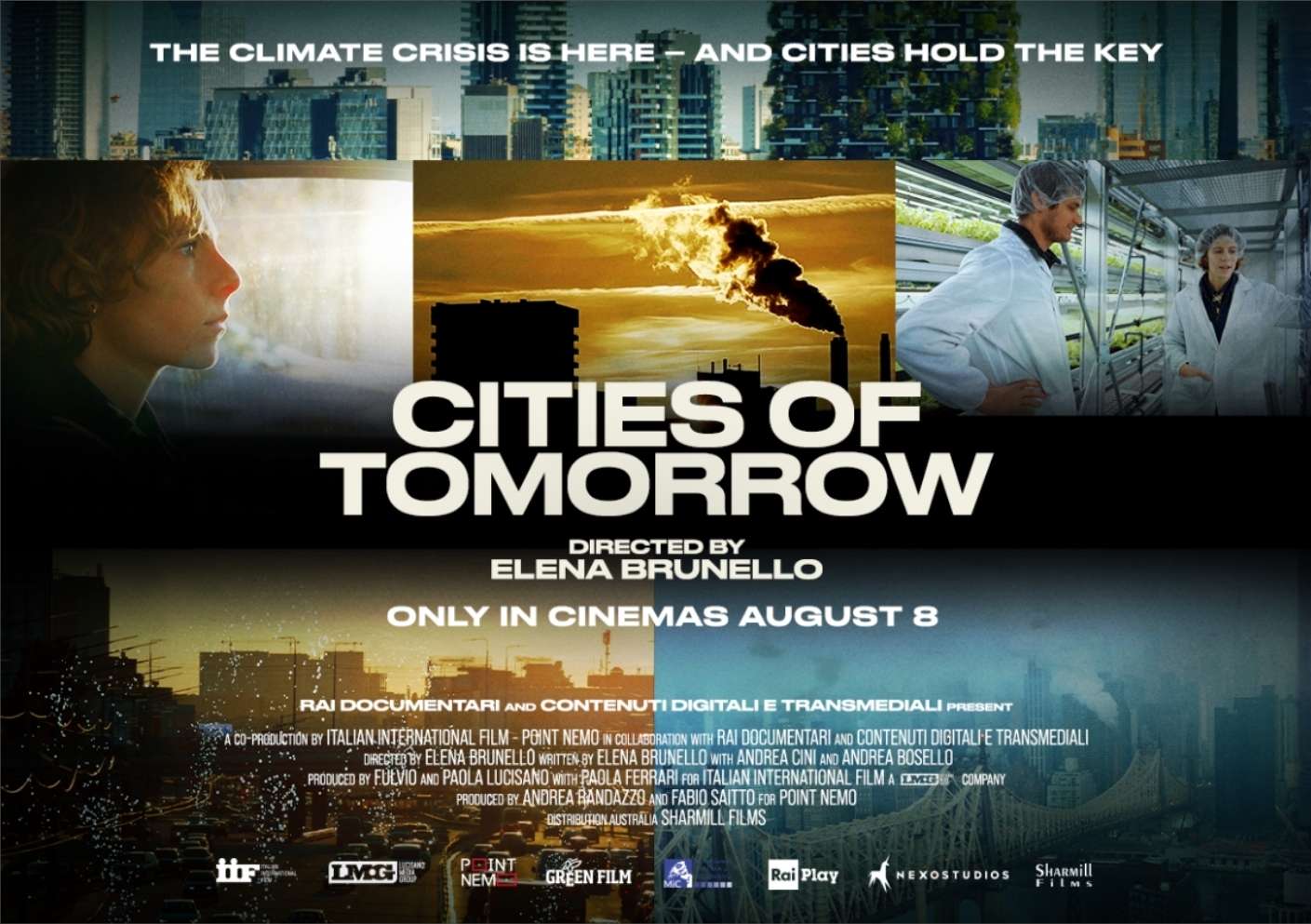
Not to be confused with Peter Hall’s chronicle of urban planning movements since 1880, although reading it would be a nice accompaniment to this documentary directed by Elena Brunello.
Global warming caused by human beings is changing our climates as we speak.
70% of the world’s population live in cities.
70% of pollution stems directly from them.
The carbon footprint of inner city residents is substantially higher than of non urban residents due to rampant, capitalism-driven resource use and modern shifts away from walkable and cyclable neighbourhoods.
It’s confronting and hard to watch mounting evidence of the costs of those trends. Fiercer and more frequent storm events. Reduced community resilience to recover from those storms leading to financial ruin, to deaths, risking extinction across ecosystems, and widespread devastation of our landscapes.
Cities for Tomorrow does not portend doom for our species, however. Humanity’s love affair with cars and consumption is not inevitable or irreversible. We still have time and there are inspiring examples everywhere of amazing progress made in tackling deforestation, reducing food waste, transition from fossil fuels to renewable energy.
The documentary follows four chapters of Energy, Waste, Pollution, and Relocation.
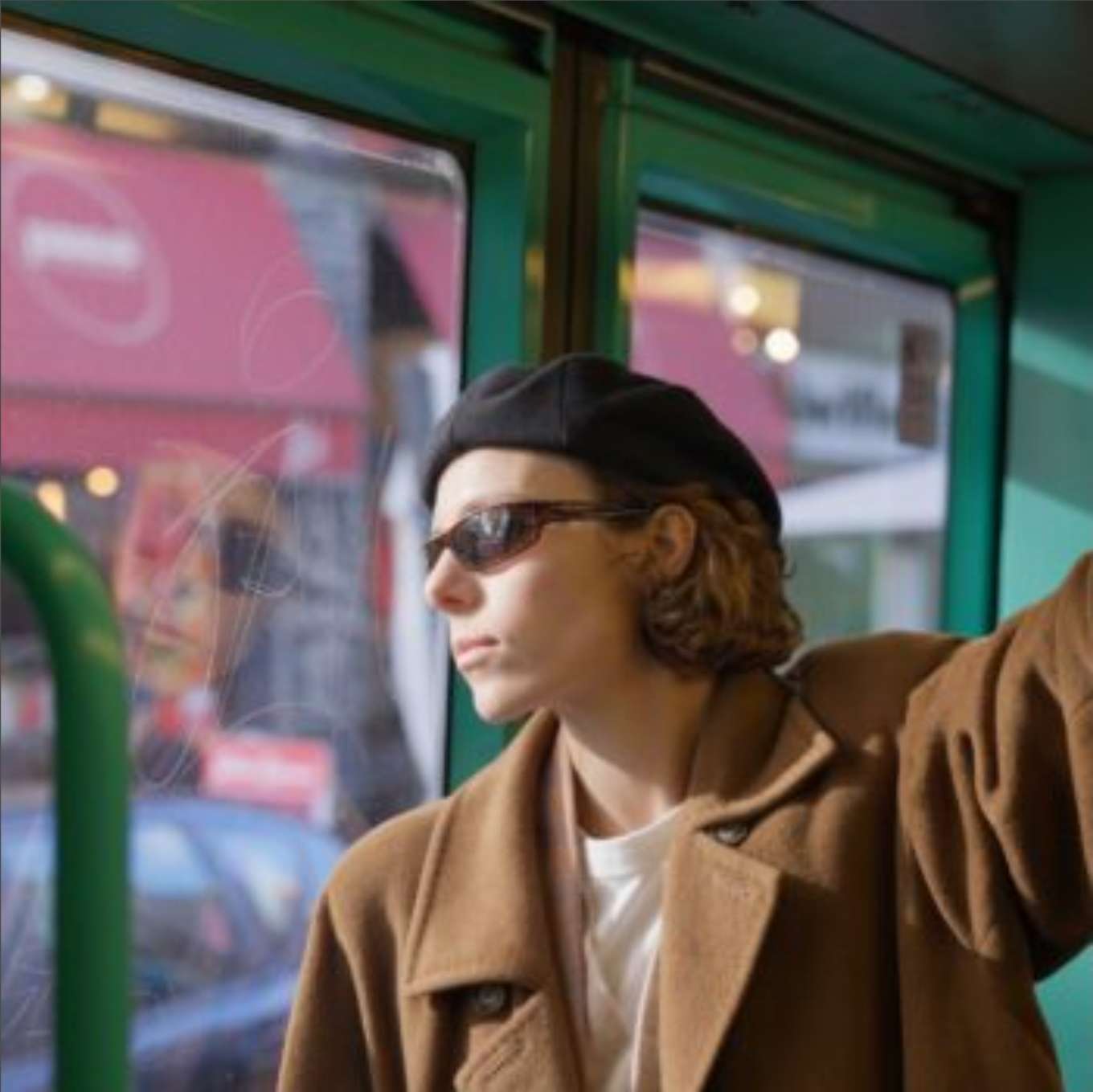
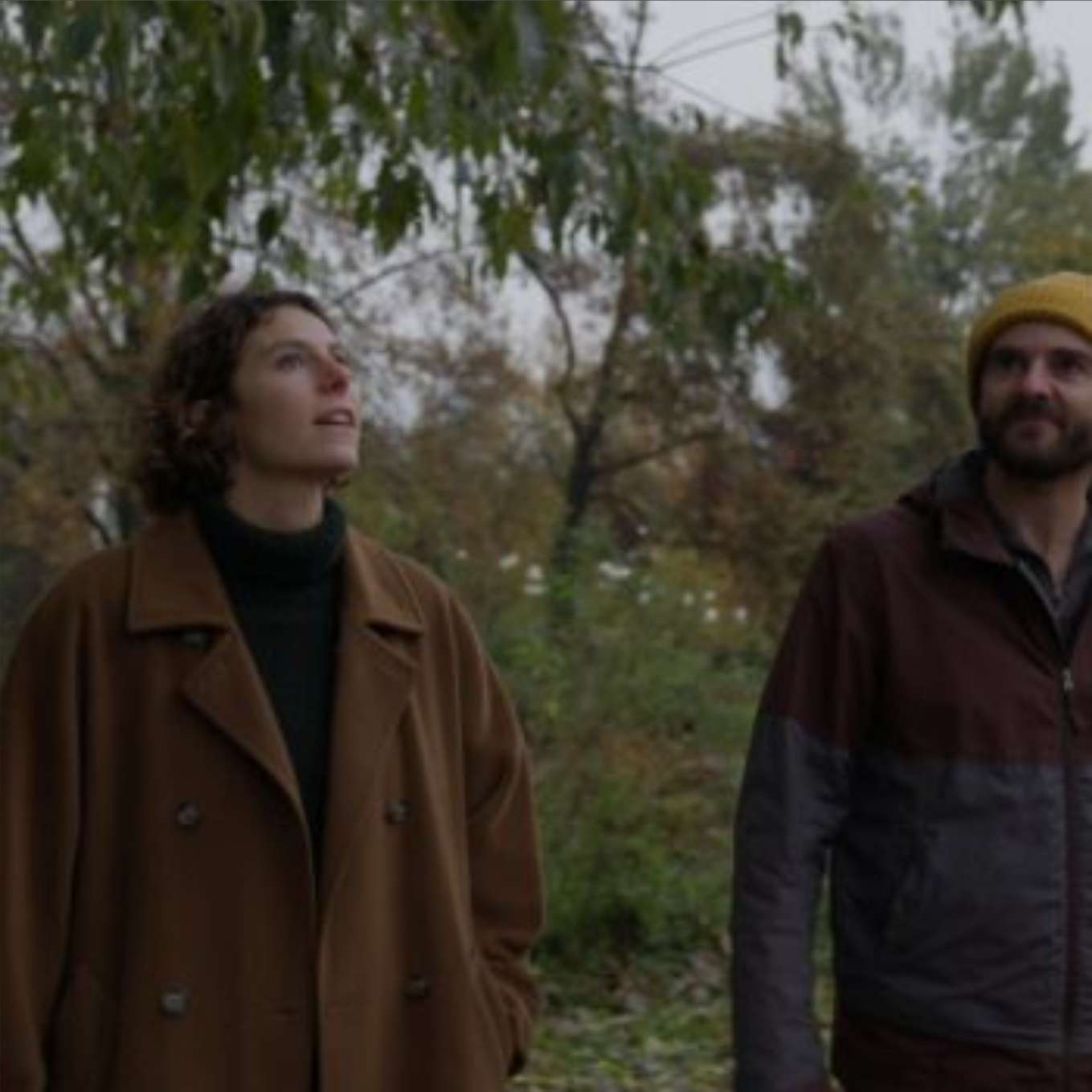
We follow Viola Follini, a 27-year-old climate project manager for C40 Cities as she explores the generational shift in climate responsiveness and various cities’ journeys to adapt to global warming. Cities such as London apply traffic congestion charging to restrict emissions and use it as an opportunity to improve quality of life for its inhabitants. In tandem with Viola’s urgent commentary, we hear from Professor Antonello Pasini, one of Italy’s foremost climate scientists.
We learn that a surprising consequence of Russia’s ongoing invasion of Ukraine has led Germany on an accelerated, inevitable path to a future powered solely by renewable energy by 2030. That echoes Europe’s trajectory towards net zero potentially before 2050.
We learn about ecoconscious community living, widespread food redistribution to reduce waste, and indoor hydroponic vertical farms completely free of soil (fun fact, we already have one in Perth’s Malaga!).
We also learn about cities on the brink. Italy experiences appalling heatwaves, increasingly lethal and worsened by a chronic lack of shade and porous surfaces. Exhaust heat from airconditioning units spilling into the streets makes this event worse.
Rather than sleepwalk into a future where this makes urban centres inhospitable for humans, Italy is acting. Each year, millions of euros are poured into tree planting and encouraging modal shift away from car depdence.
Milan is featured as a case study with the beautiful “vertical forests”, apartment buildings encased in lush greenery tested and constructed to withstand cyclones. The city is positioned in a valley that exacerbates air pollution and makes summer intolerable. The vertical forests sit in the fantastic Porta Nuova precinct known for its creative capital that includes gardens and a community hub which draws visitors in regularly.
The documentary presents its message at machine gun pace in Italian, so audiences will need to give it rapt attention lest they miss key revelations amongst all the subtitled dialogue. There is so much to cover, and more that warrants exploration, that this could easily be a series. Just as well there already is a series called Cities of Tomorrow which aired 12 years ago!
For those who are interested in learning of more hopeful projects in addition to the documentary, I’d encourage you to take a look at:
– The latest ABC report that the Lady Elliot Island reef has recovered by up to 90% from its mass coral bleaching event
– Boyan Slat’s incredible ocean clean up project aimed at recovering oceanic and riverine litter
– Examples of ecoconscious community living right here in Fremantle and surrounds
– Higher density living with high sustainability credentials such as the Nightingale apartments in Fremantle and Tuohy Gardens in Midland
– Urban Design Forum WA and their recommended reading
– Australian Urban Design Research Centre
As for the doco, a sequel could focus on:
– The impact of AI on resource consumption
– Resource intensity of EVs
– How autonomous vehicles may exacerbate traffic congestion
– Humanitarian impact of cobalt and lithium – mining
– Why some cities resist alternative mobility solutions such as communal cycling assets and e-scooters.
Seven and a half stars from me.
Cities of Tomorrow hits Luna Cinemas from 8 August.
Runtime: 100 minutes
Rating: PG
*By Gayle O’Leary. If you’d like to catch up on more by Gayle here on Fremantle Shipping News, look right here!
~ If you’d like to COMMENT on this or any of our stories, don’t hesitate to email our Editor.
~ WHILE YOU’RE HERE –
PLEASE HELP US TO GROW FREMANTLE SHIPPING NEWS
FSN is a reader-supported, volunteer-assisted online magazine all about Fremantle. Thanks for helping to keep FSN keeping on!
~ Don’t forget to SUBSCRIBE to receive your free copy of The Weekly Edition of the Shipping News each Friday!