Directed by Pedro Almodóva and starring Barbara Lennie (Elsa) Leonardo Sbaraglia (Raul), as well as Milena Smit, Patrick Criado, Quim Gutiérrez and Victoria Luengo. Gayle attended a media screening of Bitter Christmas (Amarga Navidad) at Luna Leederville on Saturday 23 November 2026.
“What’s the script about?” “Everything”, Elsa responds.
Bitter Christmas follows a narrative structure based on two main protagonists. It is separated into two timeframes: one in 2004, as it transpires a work of fiction centred on Elsa, and the other in 2026, with Raul as the author of Elsa’s life in his latest movie script. The film’s pacing is for the most part subdued and circular. Arcs of the story are stymied or left hanging for us to fill in the gaps as we go along. I didn’t mind that so much, I enjoyed watching their lives unfold with mild curiosity. Things devolve slowly and predictably.
Elsa’s character quickly revealed itself as self centered and imposing. Her needs always come first, she places her work in advertising, then writing her next film script above all around her, and scarcely considers how her actions affect them for longer than a few moments.

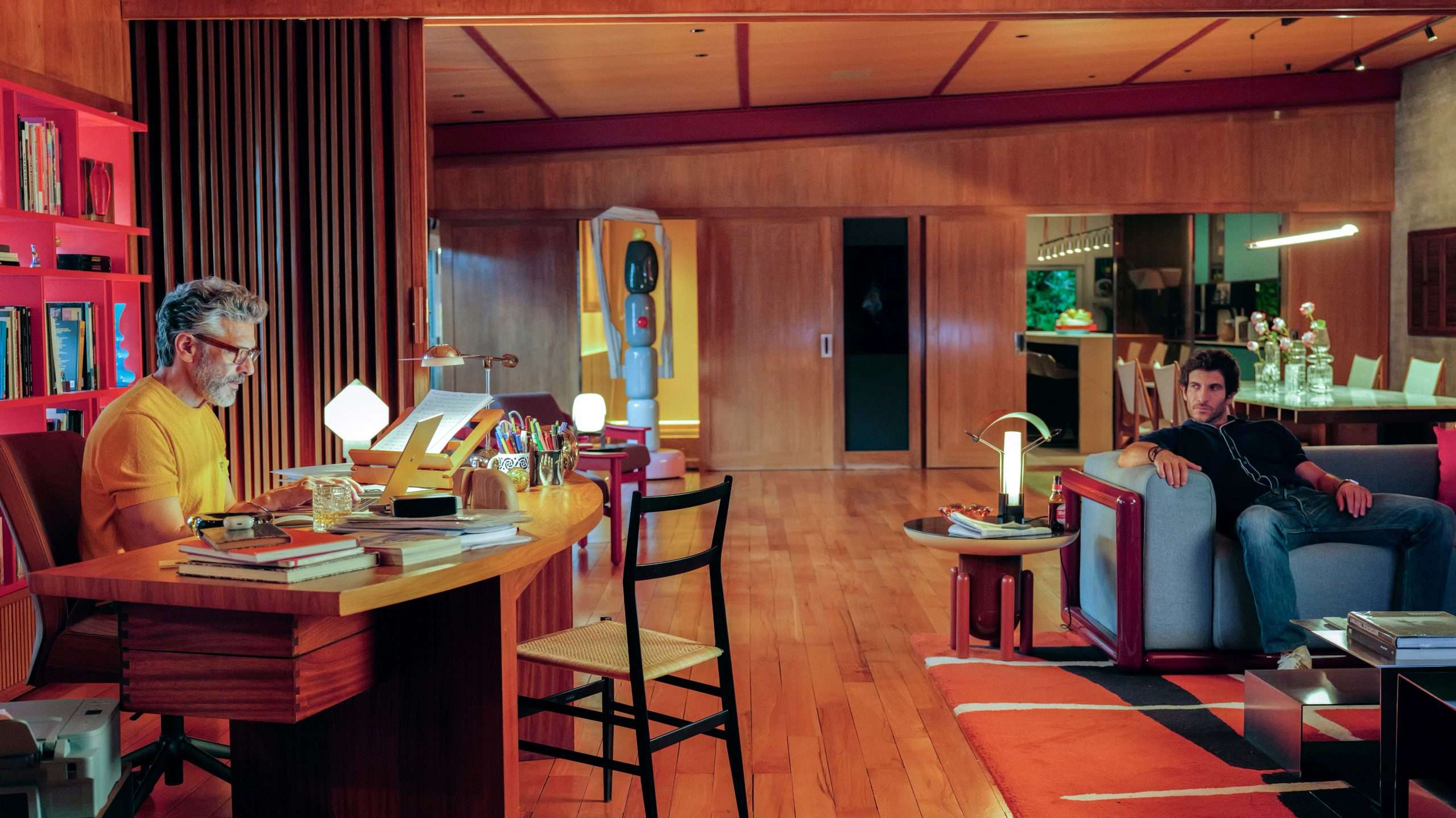
That’s likely due to the ego of the man who illustrates her – Raul. Raul’s career as a director, in parallel with Elsa’s, is sunsetting and his best work may be behind him. When his assistant, Monica, announces she is resigning after working as his assistant for two decades, he is adrift and fears navigating his work without her guidance. Meanwhile Monica’s partner, Elena, has lost her son and all her attention is required to support her. Raul, stopping short of empathising with her, realises her story is the authentic key to fulfilling his next script.

Frustration is a key driver of Bitter Christmas. Monica is enraged that Raul should exploit the details of her life, and that of Elena’s, to inform his script. Even worse, after twenty years of her toiling away to cater for his flighting fancies, only now does Raul take notice of her. Elswhere in the movie, Beau quietly dotes upon Elsa by caring for her after the sudden loss of her mother and onset of panic attacks but their relationship visibly frays as she continues to expect him to endure her protracted absences and neglect of him.
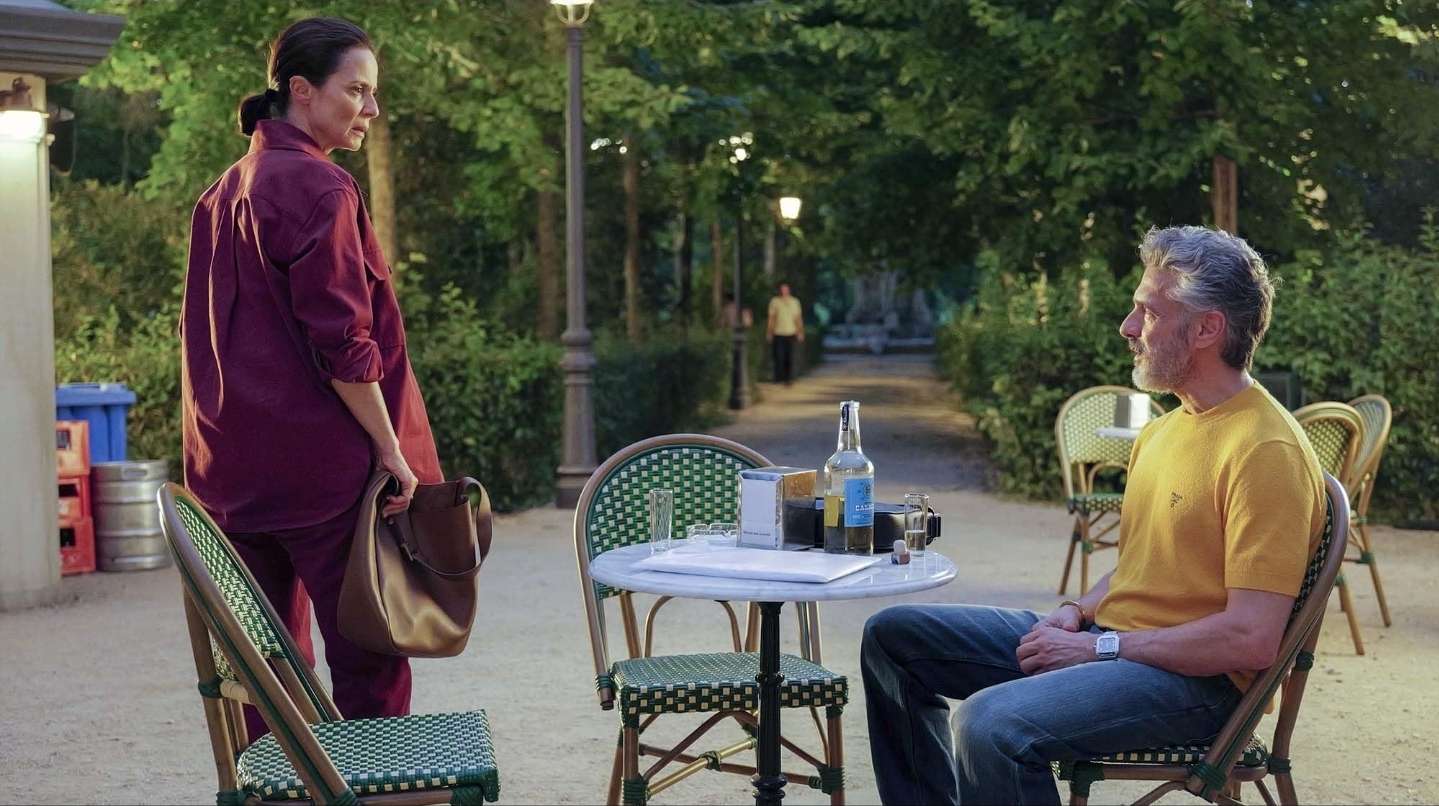
Generous colour coupled with stylish designer outfits and interiors make Bitter Christmas a cosy visual feast. The Canary island of Lanzarote features in the story with its striking shorelines of black sand and hillsides dotted with manmade semicircular recesses built to protect grapevines from the wind.

Strings add tension to the soundtrack but the standout vocal performance of “La Llorona” by Chavela Vargas, famed artist also behind the namesake of the movie (“Amarga Navidad”), is raw and captivating.
“Because I love you. You want more”.
The song serves as a pivotal moment for Elsa’s best friend, Patricia, who decides to make a crucial life decision upon hearing it, while Elsa is largely blind to her emotions.
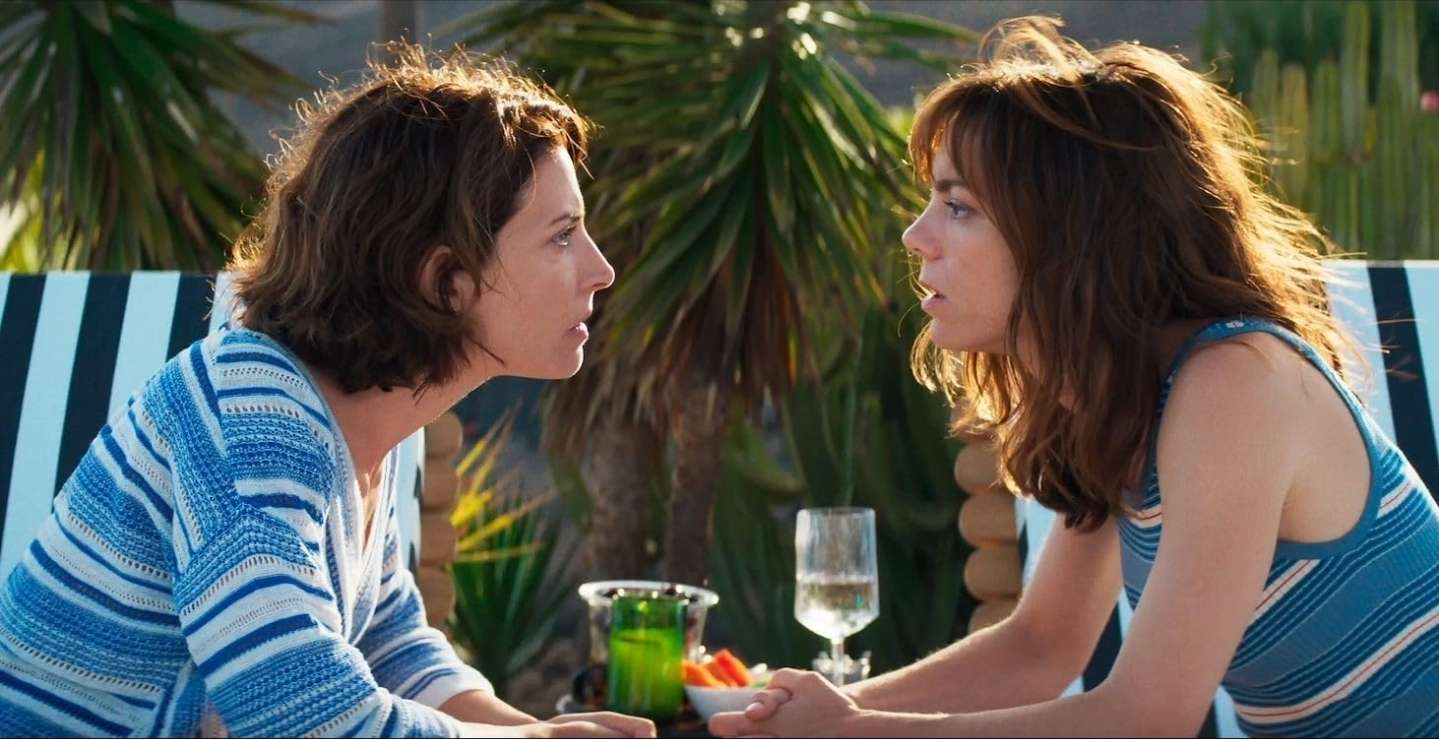
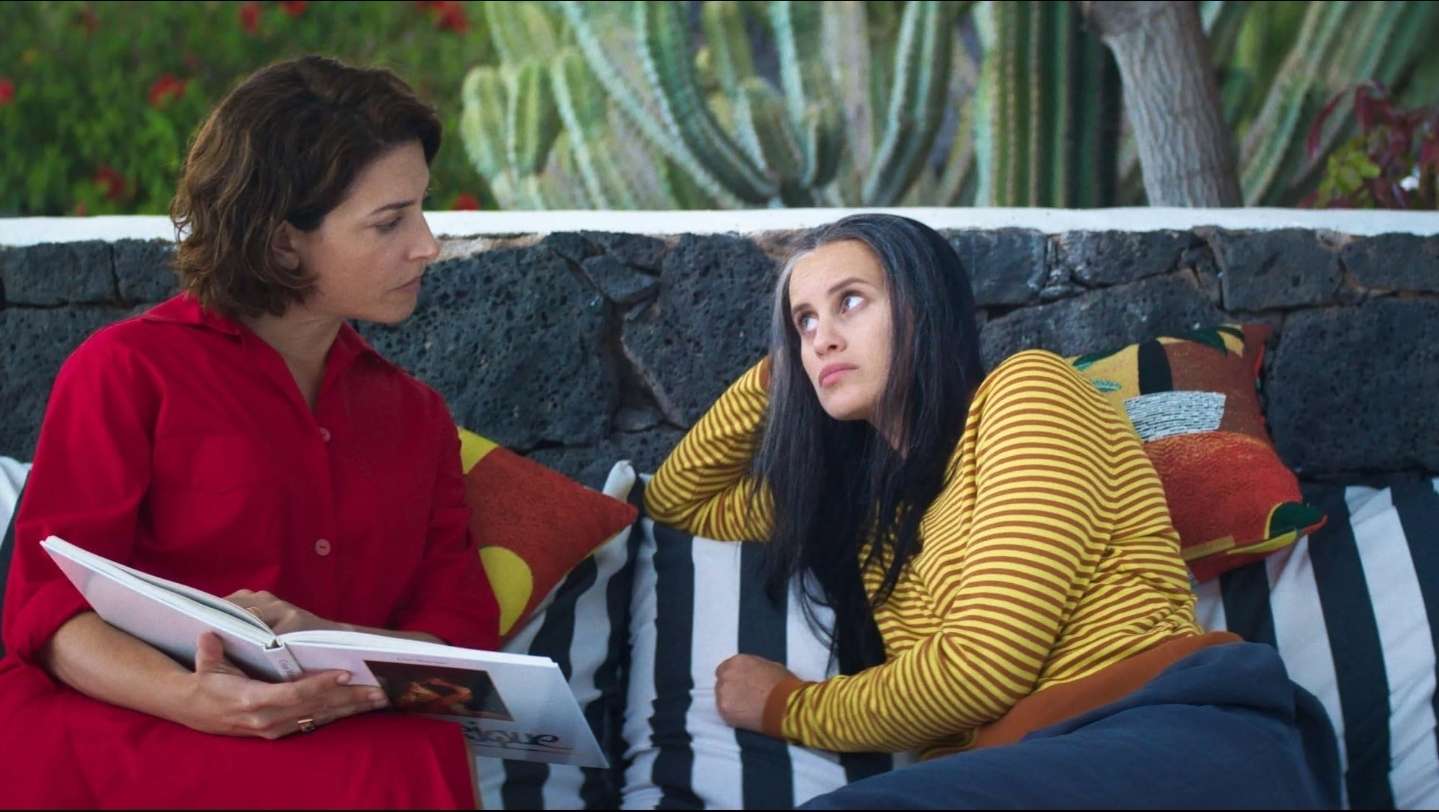
Characters are worked into the narrative later a little clumsily. Natalia, a grieving mother and career model, is given a few perfunctory scenes early on but only gains presence in the later acts of the film. Raul and Elsa are complicated people yet there isn’t enough exploration of their complexities to make them feel less superficial. The most interesting and selfless characters, Monica, Beau, and Santi, don’t get to take up anywhere near as much screentime as they deserve, which is likely to be intended as a depiction of how Raul and Elsa treat them, respectively, as dolls on a mantelpiece to be played with at their whim.
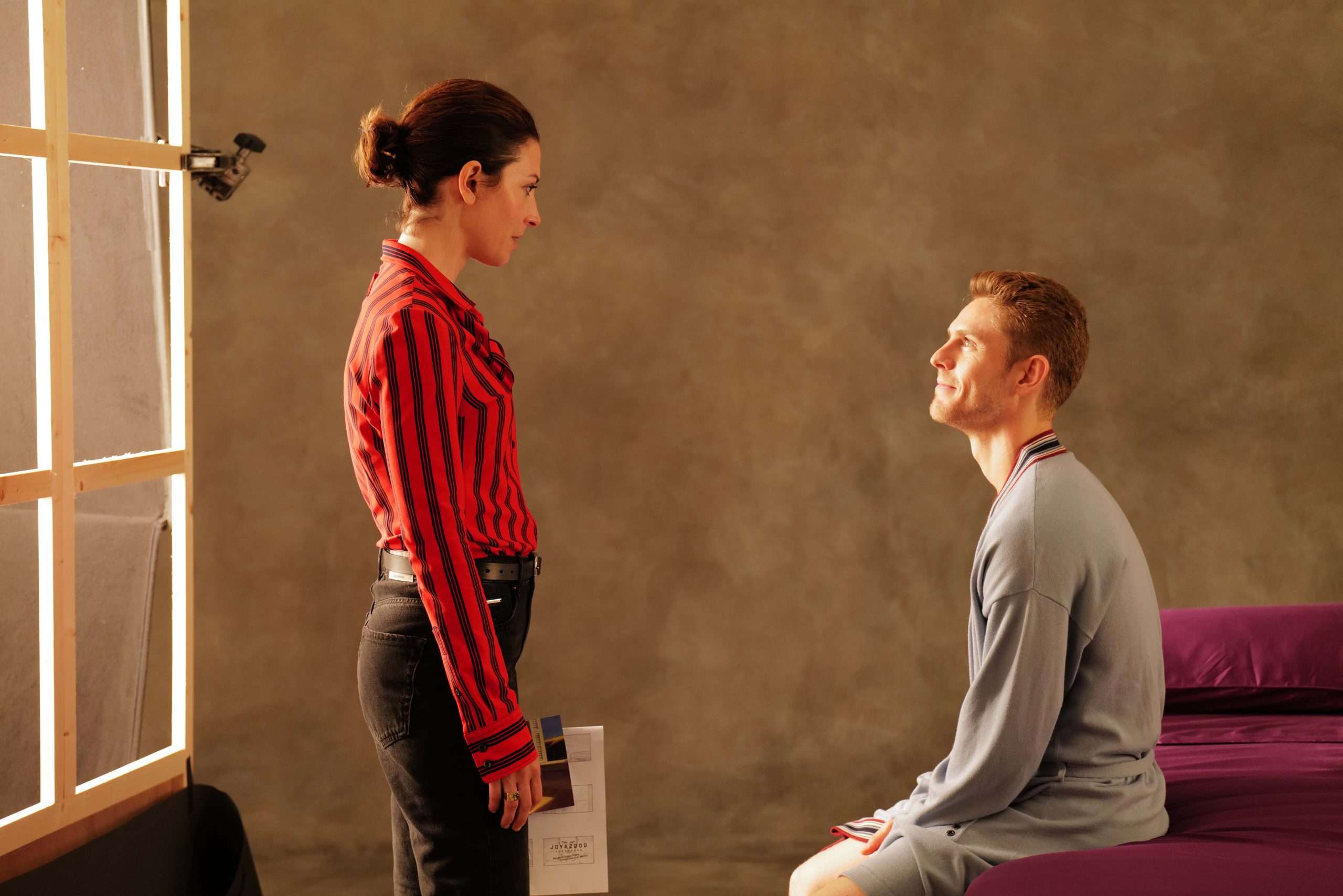
It may be another device of the director but some of the characters seemed too fanciful to be real. Take Beau, Elsa’s beau, the chipper firefighter and weekend exotic dancer who follows all of Elsa’s every instructions to a T. Or Patricia, who distrusts her husband enough to leave him based on a song and a pixelated fuzzy photograph of possibly him with another woman (a detail that spurned murmuring laughter from the audience).
Bitter Christmas, it must be said, is tricky to follow at times as an autofiction film by its own director expressed through the actions of a fictitious director expressing his own life inaccurately through another, imaginary film director but revealing more of himself than even he perceives on the surface.
Pedro Almodovar also directed The Room Next Door (Tilda Swinton and Juliane Moore), an English language drama that felt particularly wooden and slow to me. Notwithstanding that, I enjoyed Bitter Christmas, this is an introspective work of art with pacing that rewards patience, astounding singing, beauty, several great punch lines, including a threat to have Raul’s legs broken, and excellent performances by its cast which do well to compensate for the overcomplicated structure. The parts are better than the whole. And don’t fear if you don’t really begin to put it all together near the end!
7.5 out of 10
Bitter Christmas screens from November 26 at Luna Leederville and Luna on SX

*By Gayle O’Leary. If you’d like to catch up on more by Gayle here on Fremantle Shipping News, look right here!
~ If you’d like to COMMENT on this or any of our stories, don’t hesitate to email our Editor.
~ WHILE YOU’RE HERE –
PLEASE HELP US TO GROW FREMANTLE SHIPPING NEWS
FSN is a reader-supported, volunteer-assisted online magazine all about Fremantle. Thanks for helping to keep FSN keeping on!