Brett Leigh Dicks* takes you on a tour of of Korčula, on the Dalmatian coast of Croatia, an island paradise with a timeless appeal.
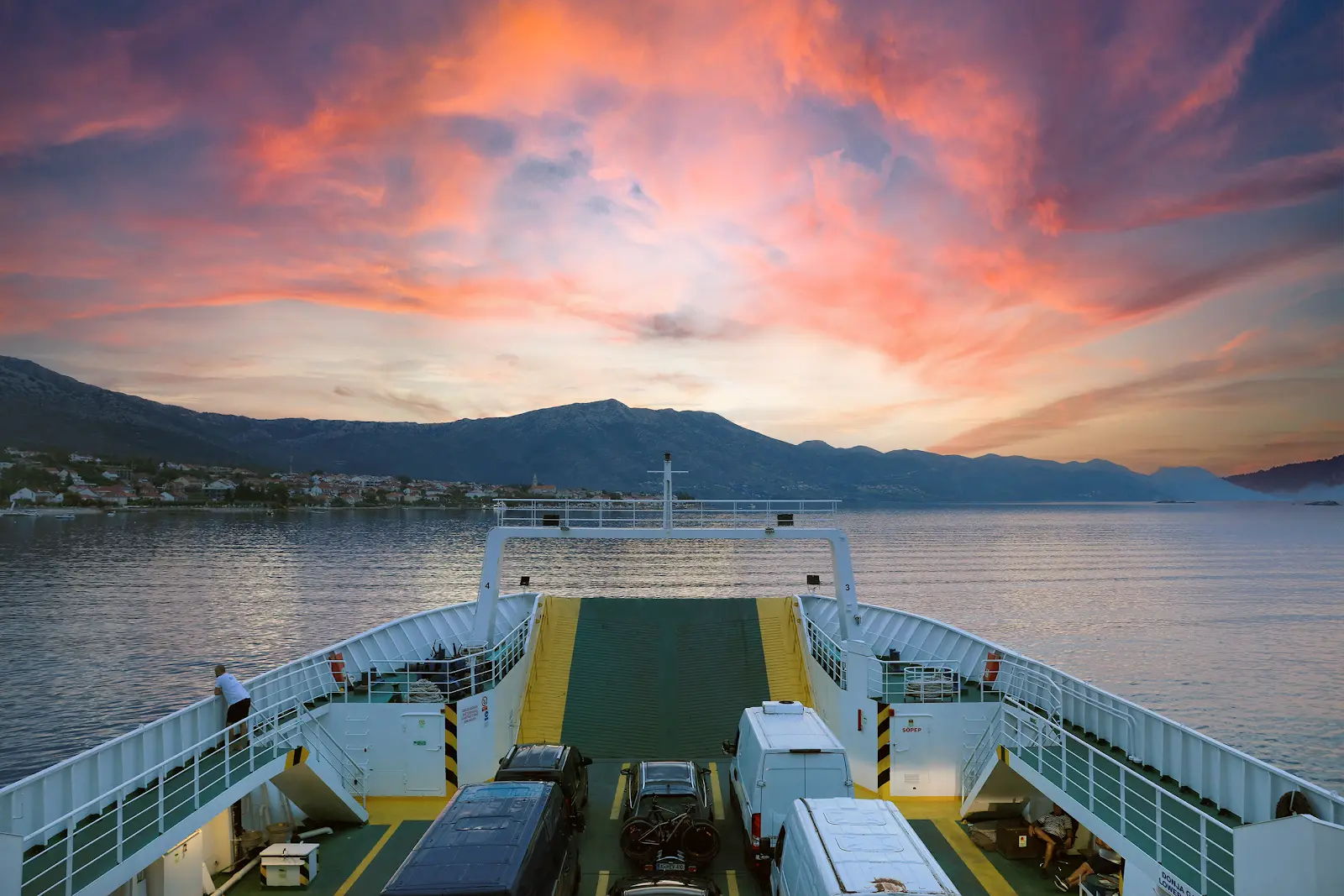
Life unfolds slowly on Croatia’s Adriatic islands. Except, of course, for the ferry trip across the Pelješac Channel from Orebić to Korčula Town – that passes in the blink of an eye. No sooner have you driven onto the ferry than it’s time to drive off again. But, as short as the trip is, you should get out of the car and join everyone else on deck to soak up the view. As passengers hang over the railings and gaze across the glistening waters of the narrow strait, a swarm of sailboats navigates a maze of islands. Behind you rise the spectacular peaks of the Pelješac Peninsula, while ahead sprawls the beautiful island of Korčula.
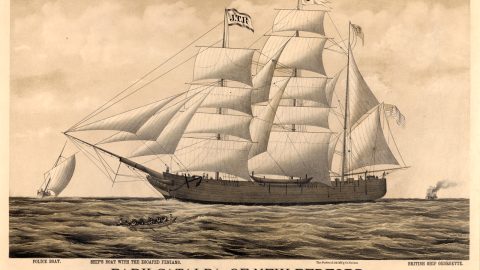
Korčula and Fremantle share a storied history. A large portion of Western Australia’s Croatian community traces its ancestry to the various islands along the stunning Dalmatian coastline, including Korčula. In the late 19th century, waves of Croatian migrants escaping the Austro-Hungarian Empire arrived through the port of Fremantle; while many headed to the Goldfields, a substantial population established roots in Fremantle and its surrounding suburbs. A second wave arrived after WWII,following relatives’ recommendations. Through these generational bonds, in 1999 the Cities of Fremantle and Korčula signed a Charter of Friendship Declaration to recognize their shared histories and strengthen their cooperative ties.
While there are many ways to reach Korčula, they all involve ferries. The Adriatic Sea has shaped the island’s maritime history, local economy, and daily life since recorded time began. The sea not only shapes how the island connects, but how it lives and breathes. Along with Korčula town’s transportation ties to the mainland, Vela Luka, at the other end of the narrow 45-kilometer-long island, also connects to a variety of destinations by ferry. As the ferry pulls intoKorčula and its bow lowers into a ramp for the exiting vehicles, you can feel time grinding to a halt.
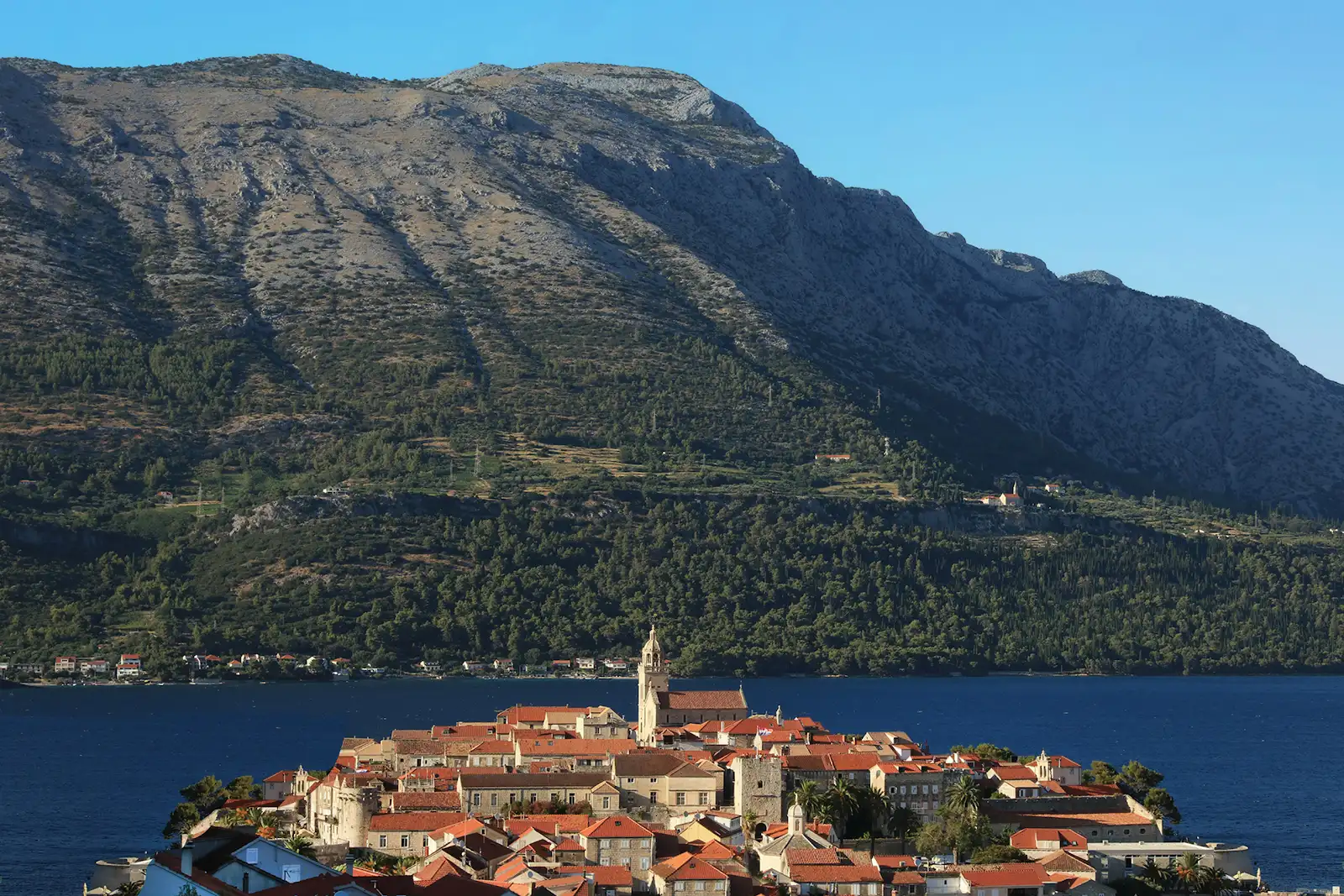
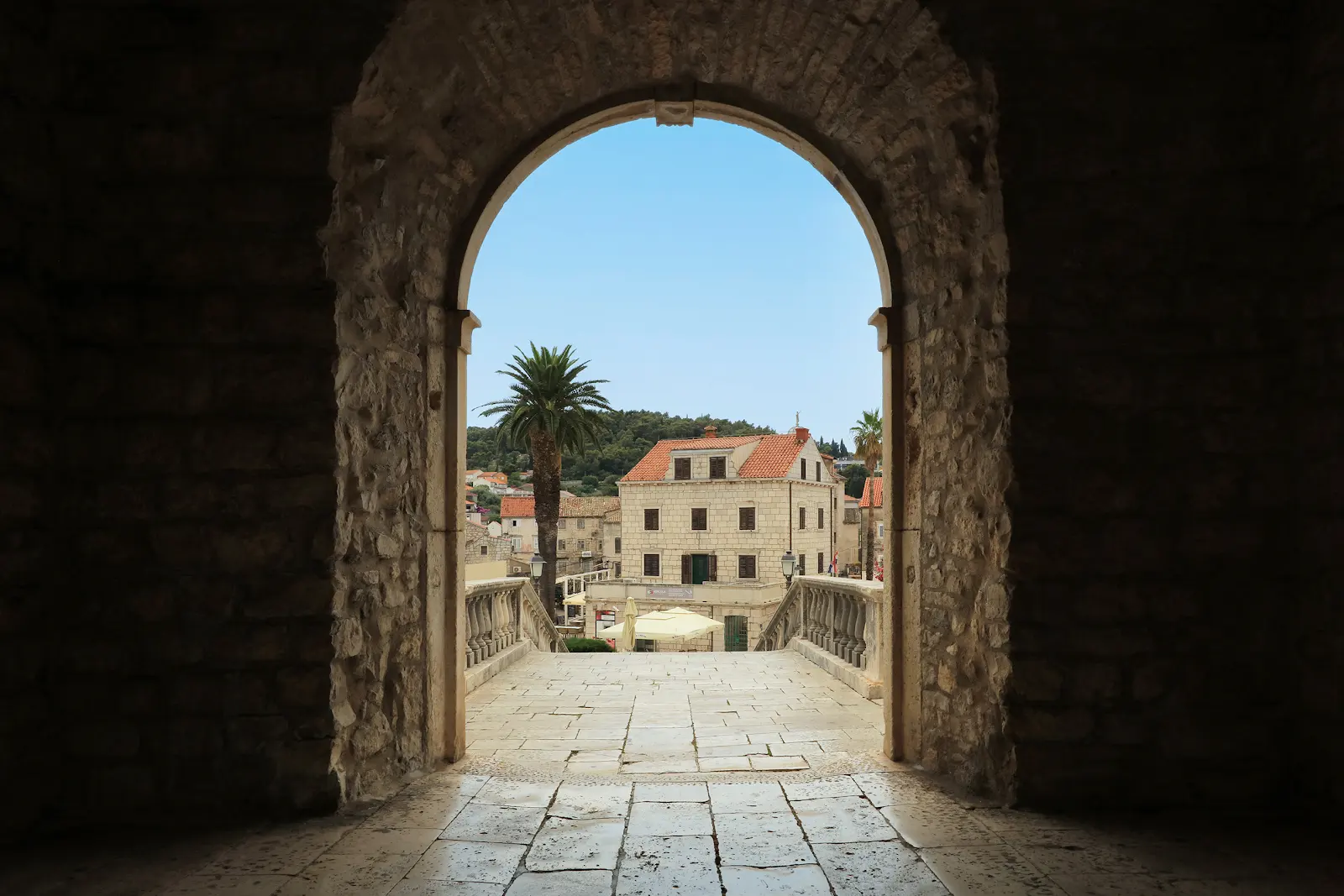
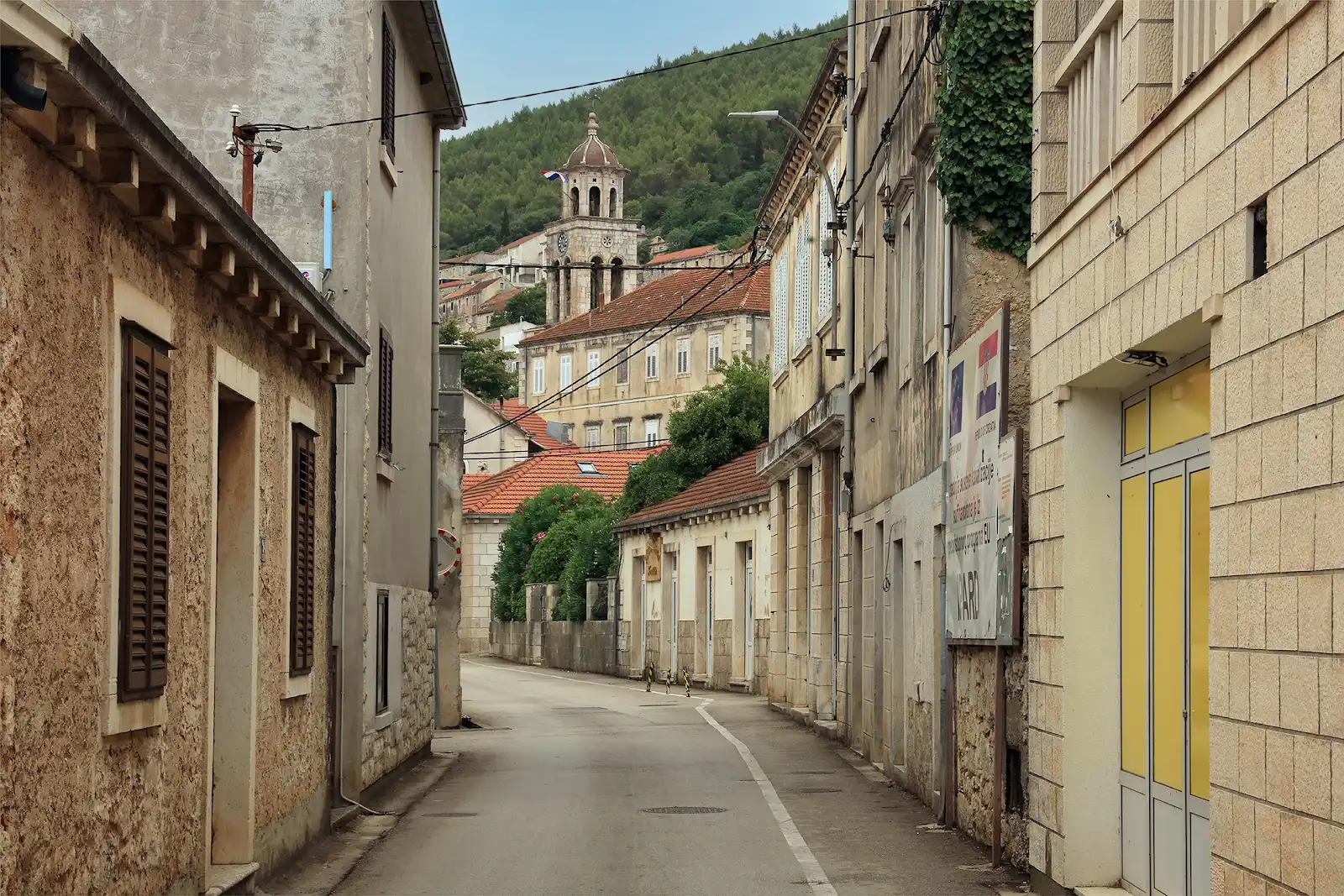
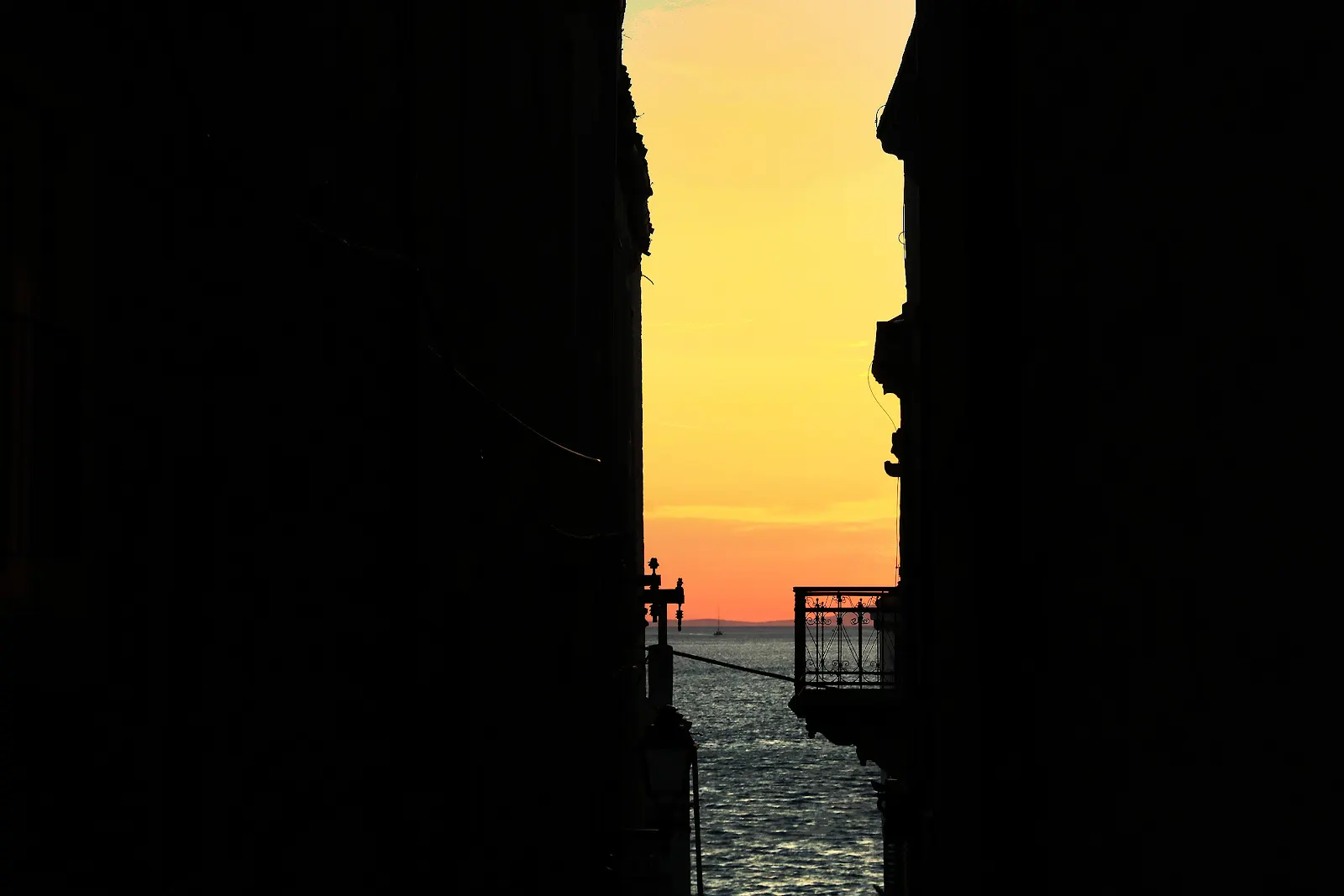
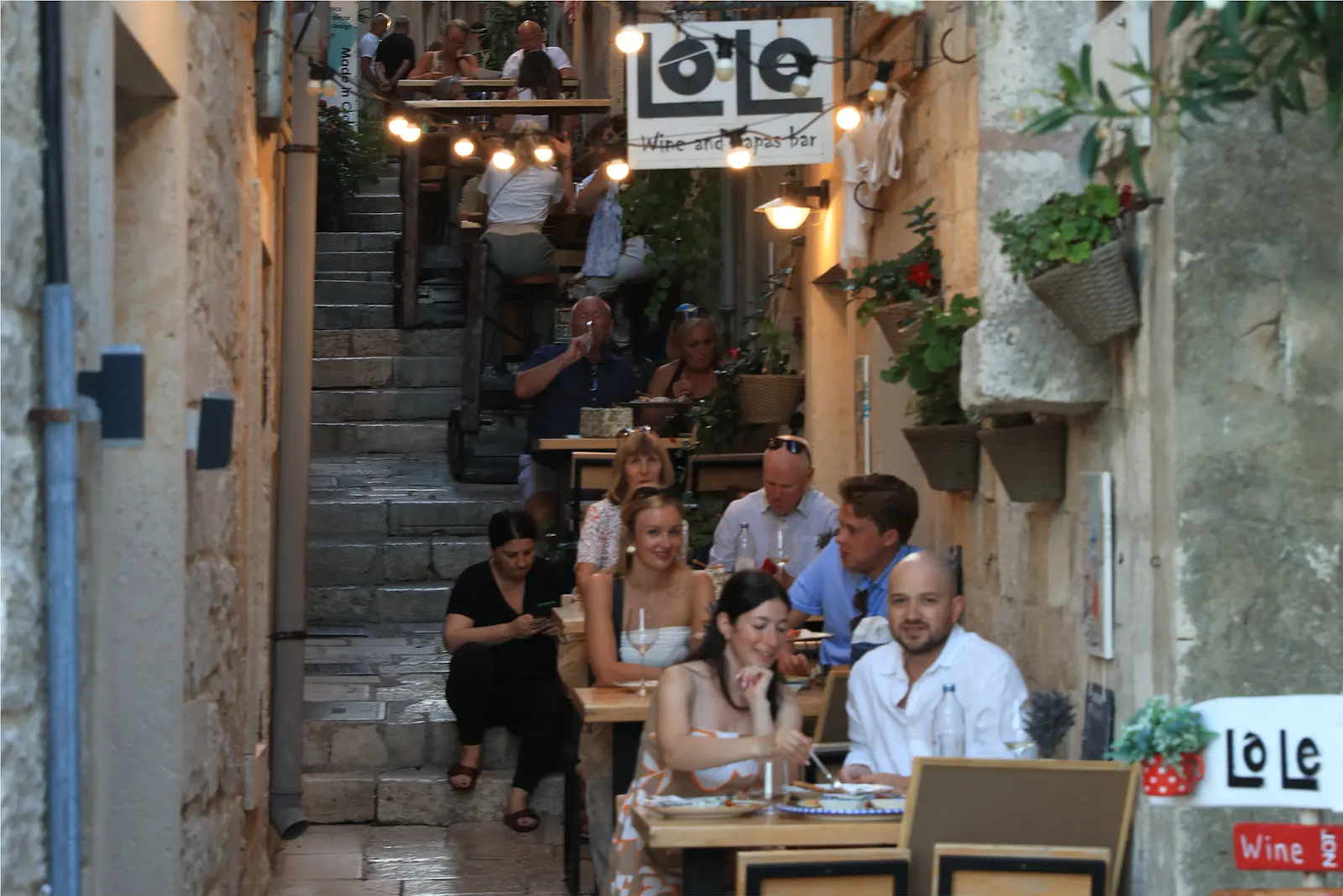
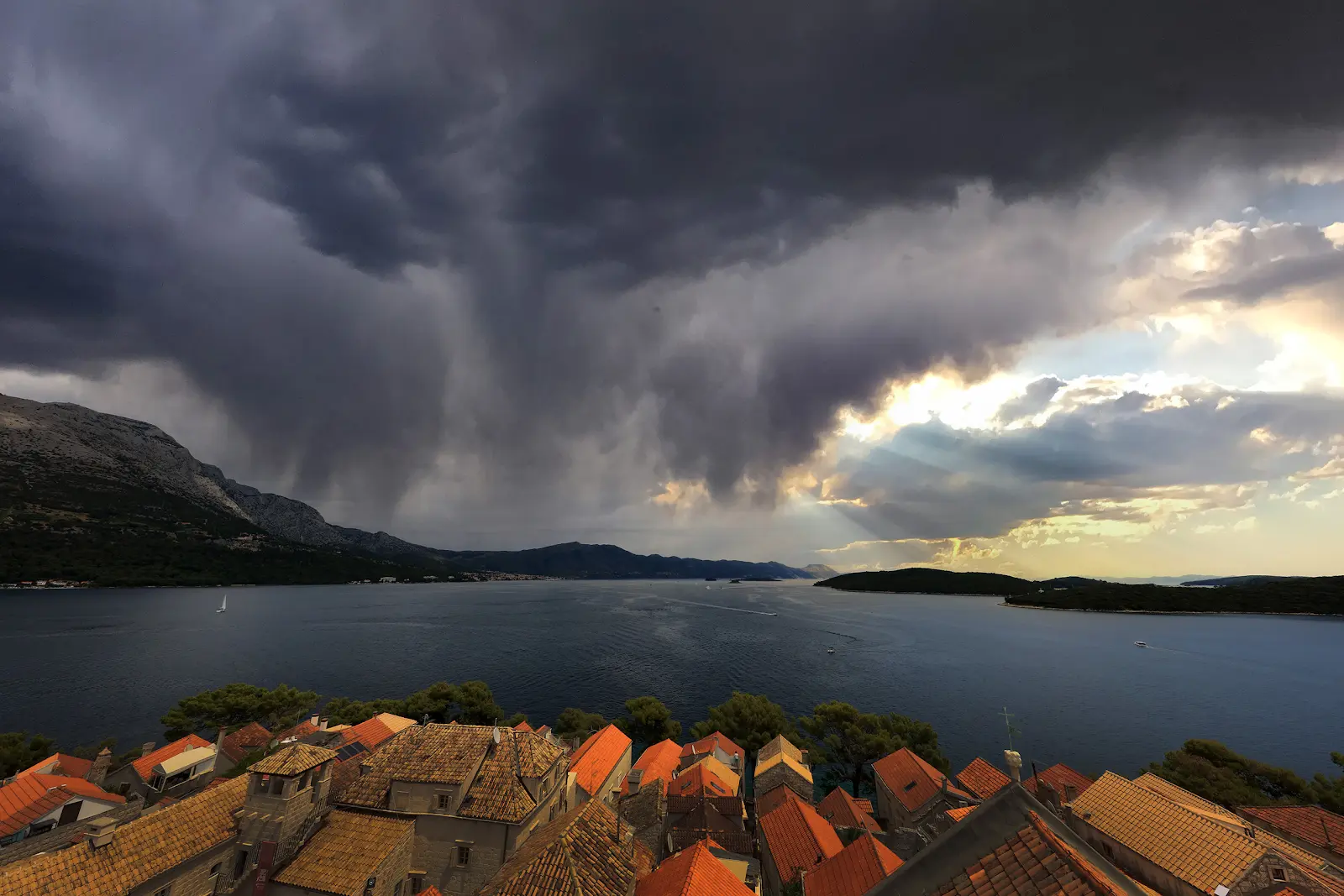
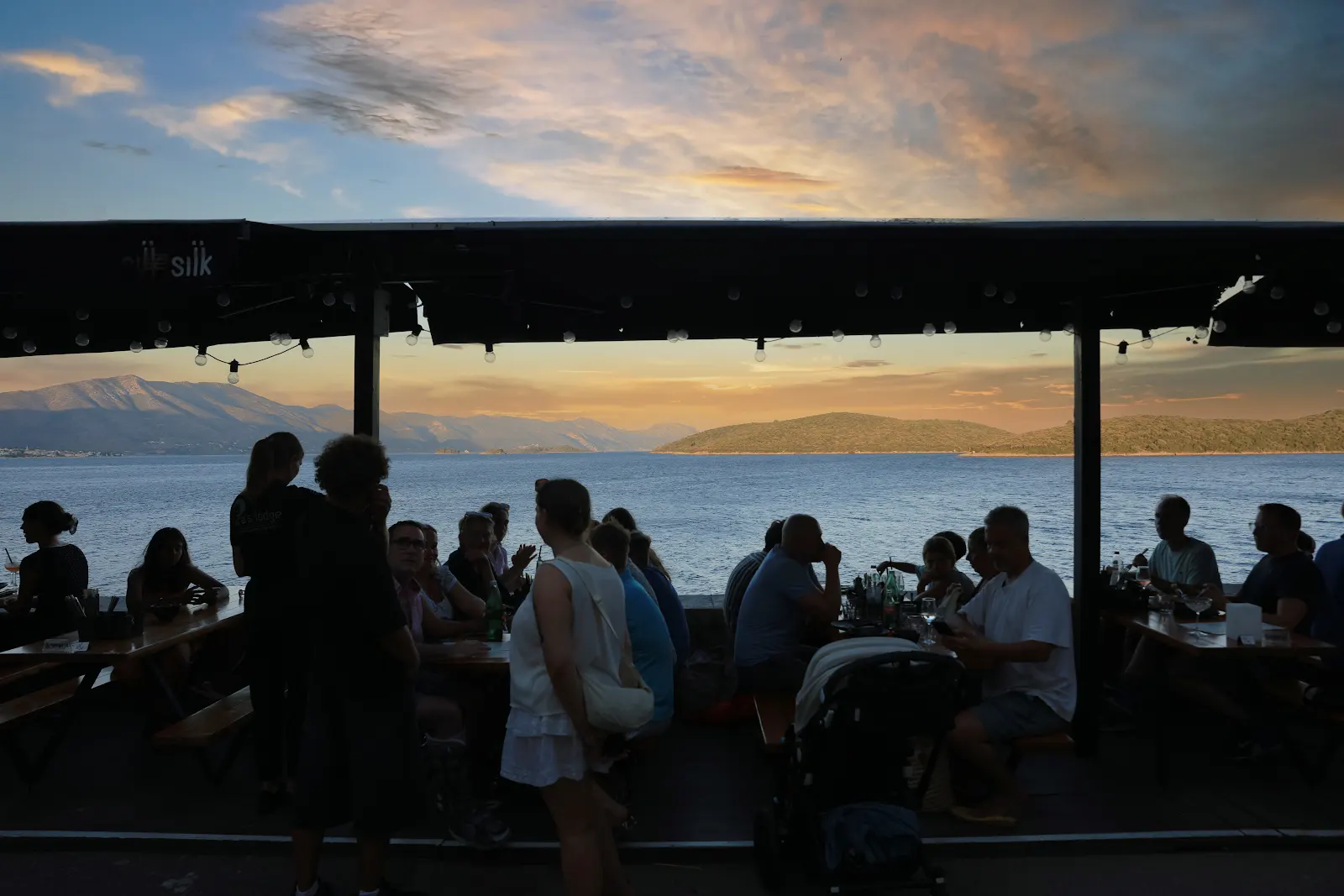
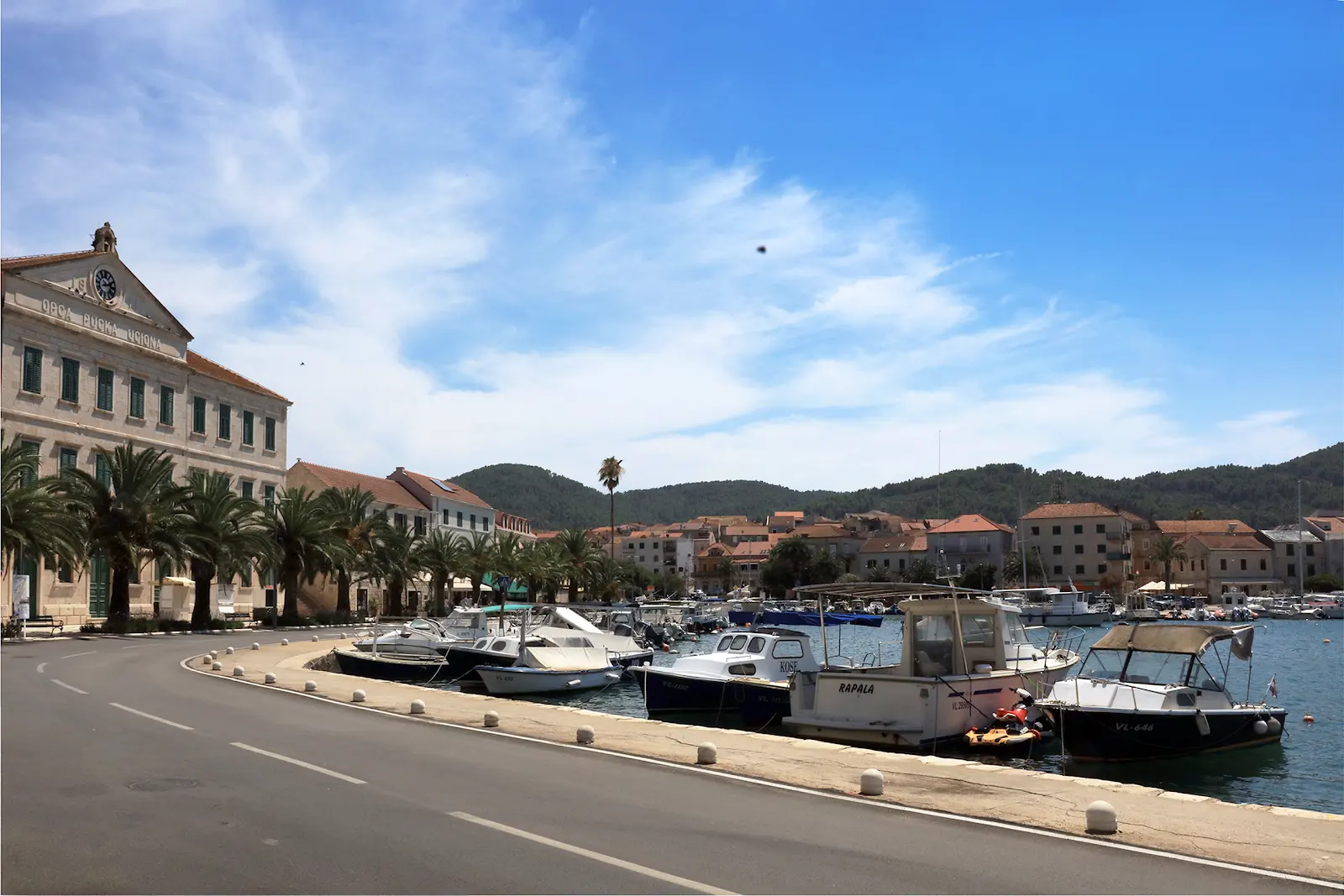
While Korčula Town is nestled around a series of small bays on the island’s northeast coast, the focal point is its old town. The medieval walled city sits on a small promontory and is famous for its unique herringbone layout of cobblestone streets, Venetian-Gothic architecture, and status as the reputed birthplace of Marco Polo. The geometry of its steep, narrow streets encourages the sea air to circulate through the town while protecting it from strong winds. Building outside the city walls was forbidden until the 18th century, and the city’s famed wooden drawbridge stood in place until 1863.
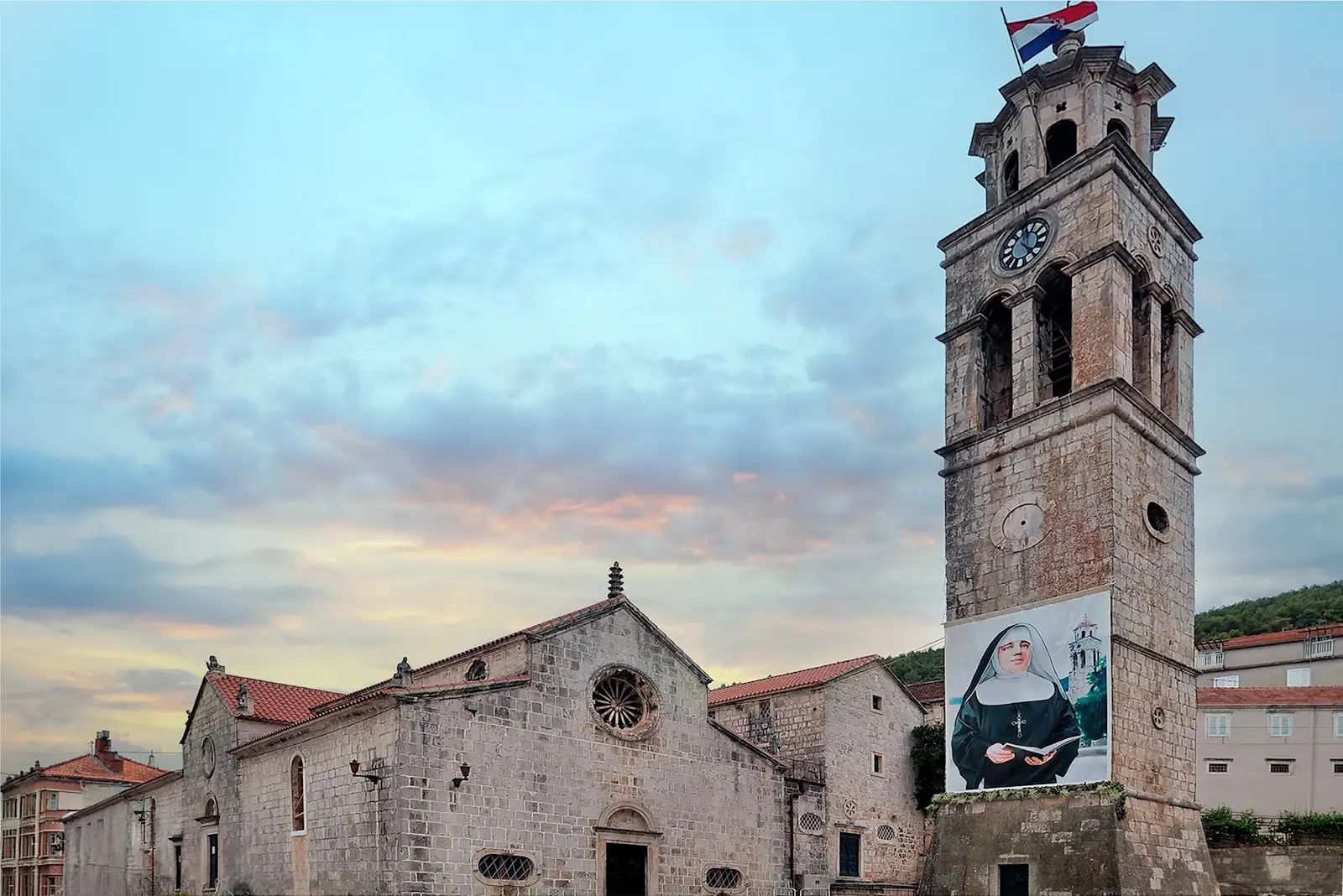
Among the city’s maze of streets, you will find countless attractions. Located centrally within the city, the Cathedral of St. Mark’s is a 15th-century Romanesque-Gothic masterpiece thatstands at the highest point of old town. Other historical highlights include the 15th-century Franciscan monastery with its Venetian Gothic cloister, the civic council chambers, the palace of the former Venetian governors, and an array of 15th and 16th-century palaces that once belonged to local merchant nobles. Then there are the massive city fortifications, with seven of the original 12 towers still defiantly standing.
Ringing the walled city is the Street of Thoughts. Inside the walls, the flat promenade earned its name because citizens didn’t have to worry about navigating steps and could let their minds wander while walking. These days, an array of outdoor eateries line the street, serving up the best of Dalmatian cuisine. Given the Adriatic’s prominence, seafood is heavily represented on local menus. Whole fish comes grilled to perfection, cuttlefish are a staple of the Black Risotto, and there is no better way to sample Adriatic shrimp than served in a dish of local makarunipasta. For a traditional side, the Kupus na tabak, is local comfort food made from collard greens (raštika) boiled with potatoesand served with garlic and olive oil. It’s a dish anyone with a connection to Fremantle’s Croatian community will be intimately familiar with.
No matter what you choose to eat, tradition dictates you wash it down with a glass of rakija. A Croatian fruit and herbal brandy, the alcohol content can hover anywhere between 35% and 60%, depending upon the source. The Adriatic coast is famed for its distinctive variety of herbal rakija. While visitors are typically introduced to rakija at dinner, they quickly learn there is no time in Croatia when it wouldn’t be appropriate, serving as an aperitif before meals and even as a complement to a morning coffee. If you prefer to save the rakija until you return to your ‘apartmani’ (there will inevitably be a bottle gifted to you upon arrival), no place is better for a sunset drink than Cocktail Bar Massimo.
Sitting atop the 15th-century Zakerjan Tower, the drinks are delivered from the bar below via an external pulley. The seating area offers a striking 360-degree view of the Adriatic Sea and Korčula Old Town. If you love vistas, the view from the St. Mark’s bell tower is even more impressive. The highest point in Old Town, the top of the tower is reached by a precariously steep, narrow staircase, but the sweeping view is well worth the arduous climb. As the sun finally sets, the tiny bars and gelato shops lining the city’s maze of streets quickly fill with patrons,and so do the bleachers in the town courtyard for the nightly Moreška performance. With roots in the Middle Ages, theelaborate sword dance features two groups of performers engaging in a mock battle over the fate of a young, veiledwoman.
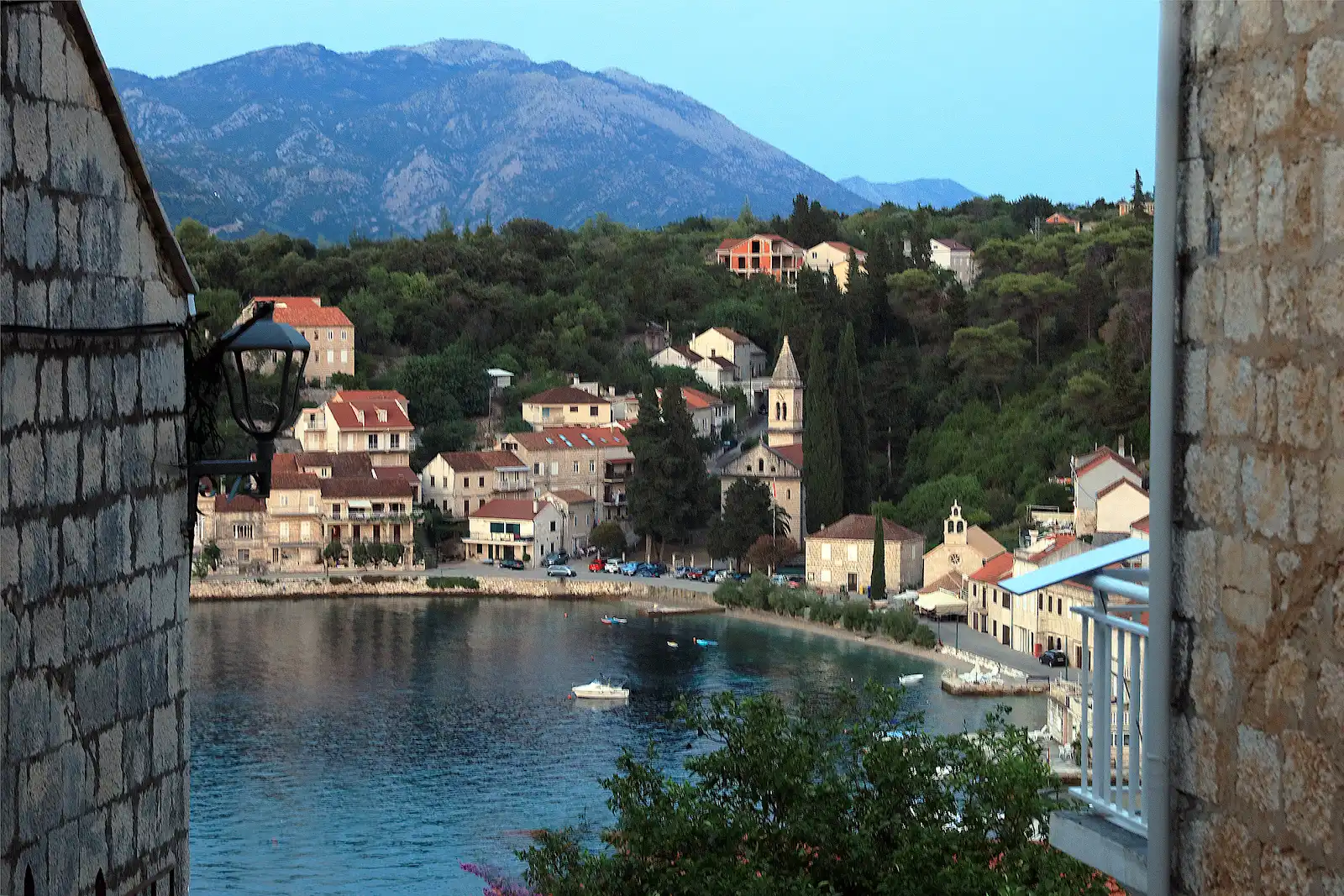
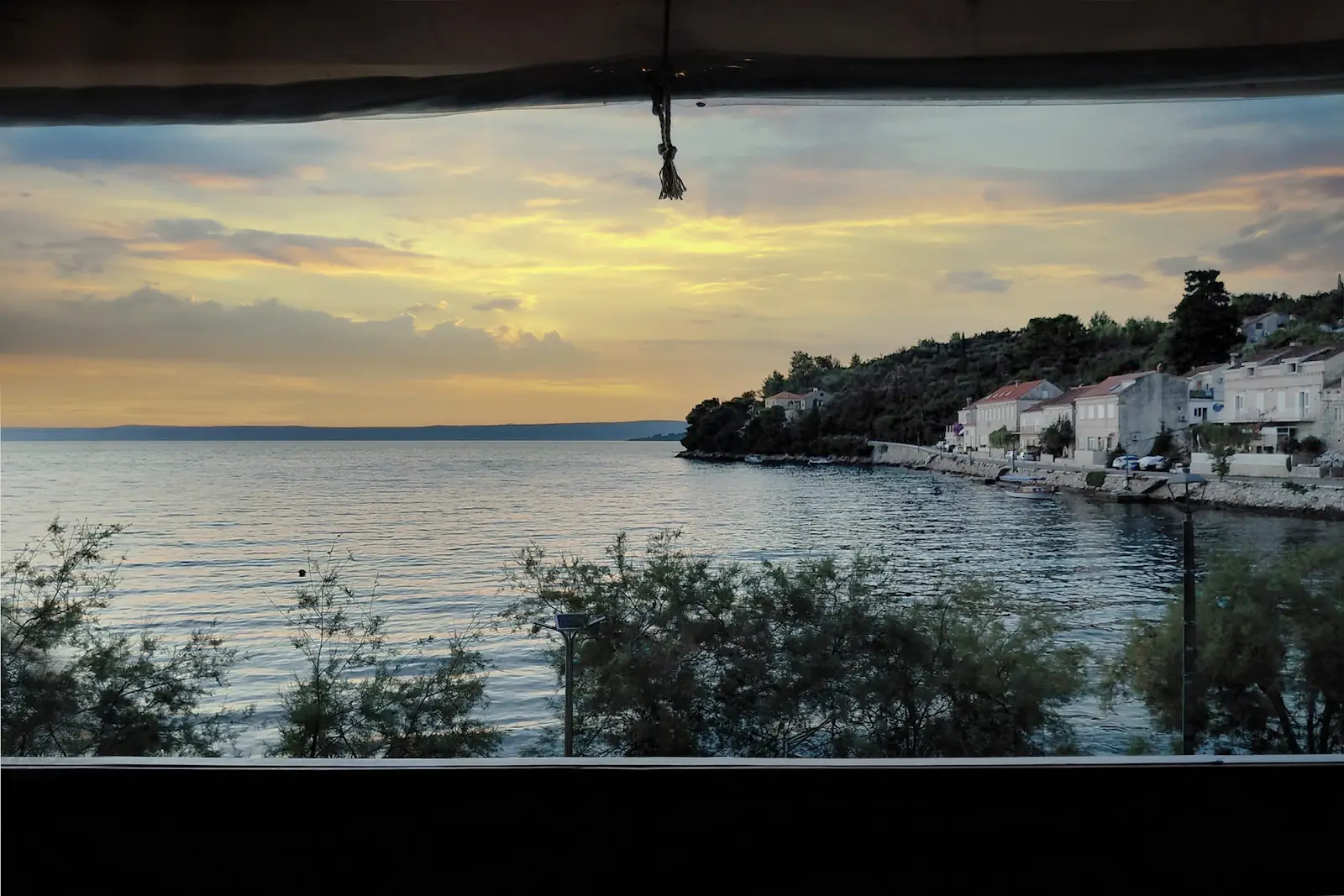
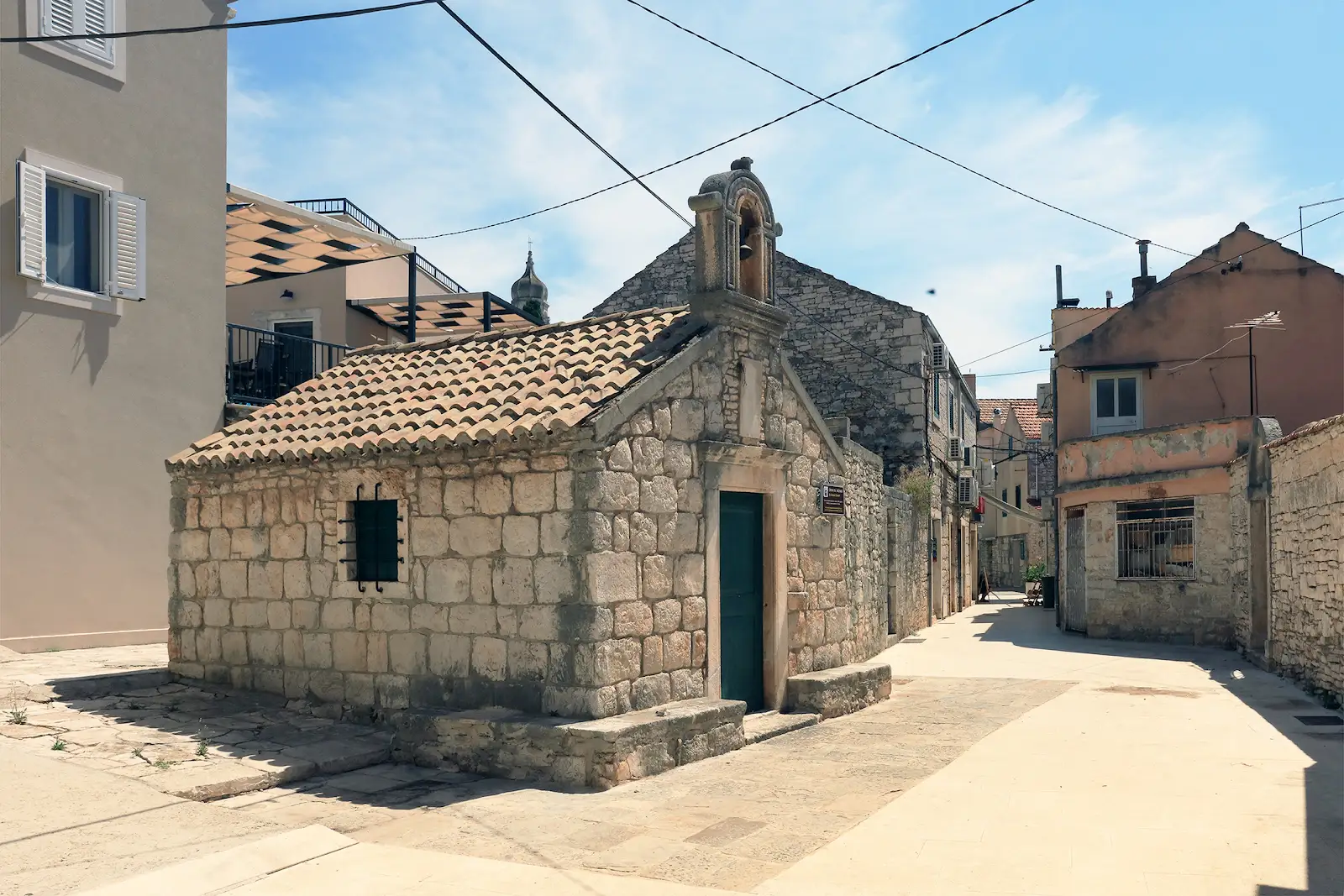
While Korčula Town is by no means large, with a population of just 5,500, you can find an even more relaxed, intimate island experience in the tiny seaside village of Račišće. Dating back to the mid-17th century, the town is a quiet fishing and seafaring village nestled on a picturesque bay. Home to just 500 people, it boasts a harbor, market, a couple of bars, and a handful of restaurants, all operating out of traditional stone houses and just a stone’s throw from the town’s tranquil pebble beaches. The walking trails in the surrounding hills meander through olive groves and offer panoramic sea views. Life in Račišće is unrushed, and no matter how long you spend there, it never seems enough.
Račišće sits about 12 kilometers from Korčula, connected by a narrow coastal road that winds past the bays of Medvinjak, Vrbovica, Tri Žala, and Kneza. To explore the rest of the island, head back to Kneza and take the winding mountain road to Pupnat. The oldest settlement on the island, Pupnat dates toIllyrian times. It was deliberately positioned out of sight of the sea to protect against rampaging pirates. The highway then leads to Blato, the island’s largest inland town. With its main street lined by a canopy of lime trees, the town is brimming with stone buildings and surrounded by vineyards, making it the perfect location to sample an array of local wines.
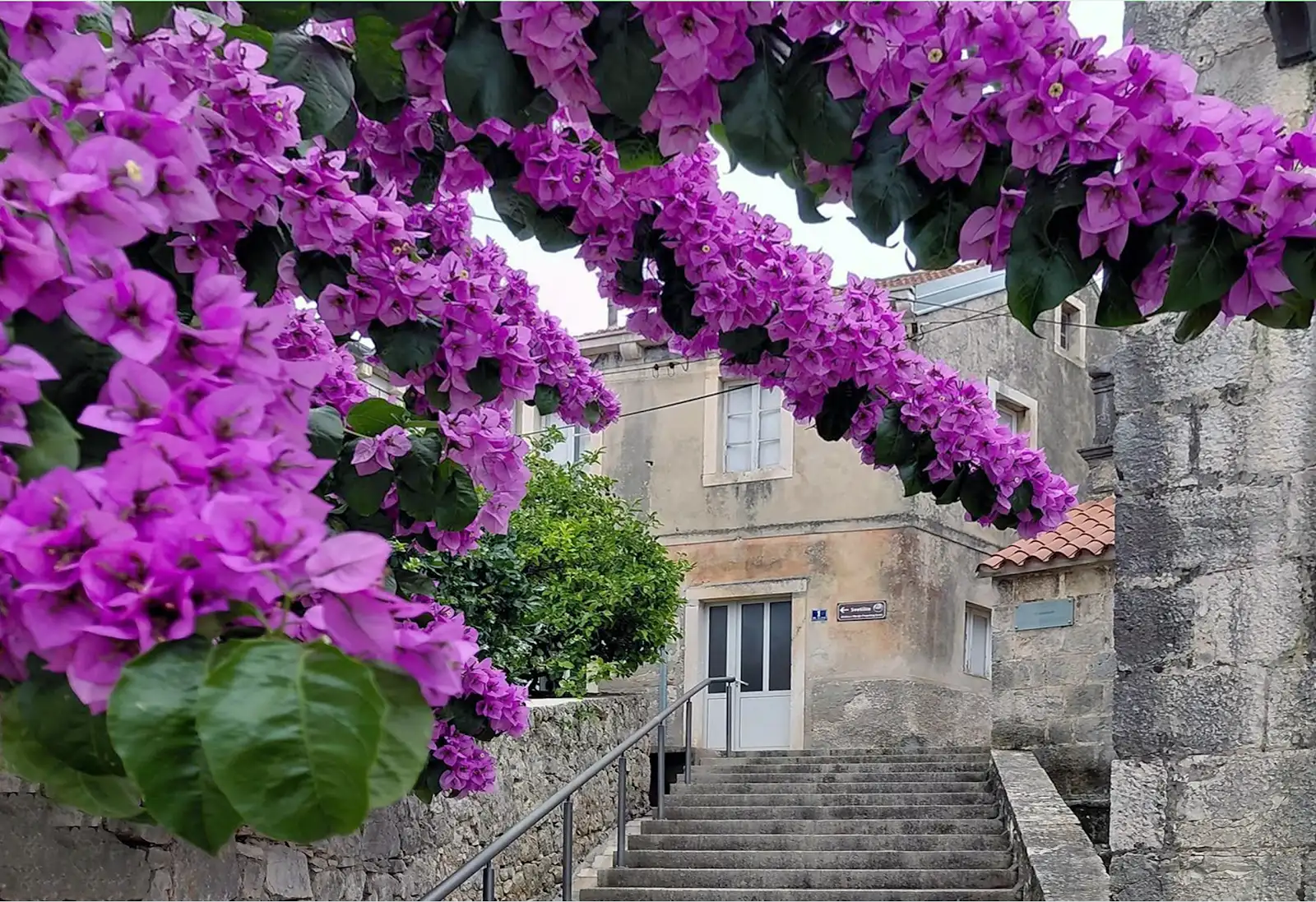
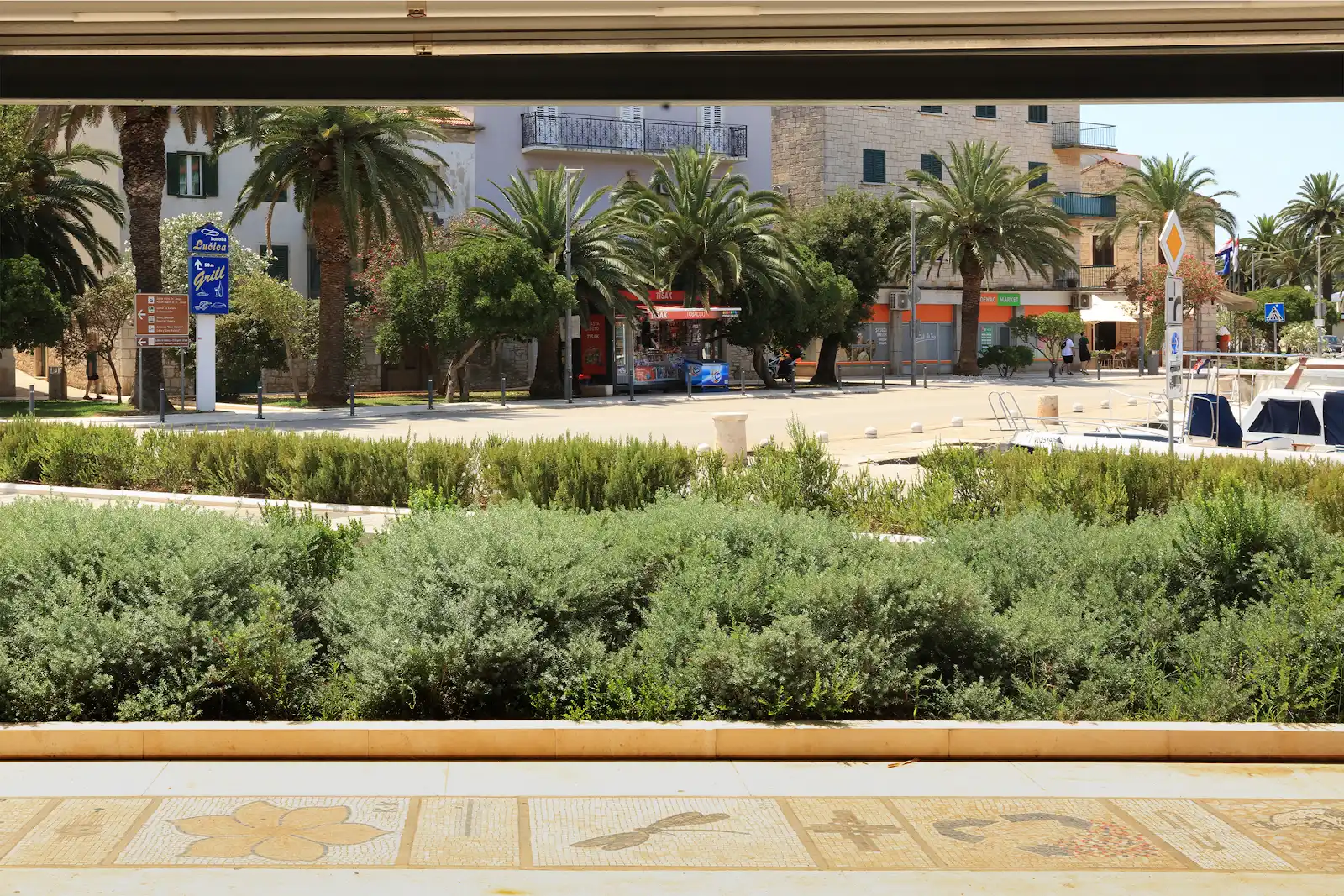
From Blato, Vela Luka is a short drive away. Located at the island’s western end, Vela Luka is a relatively new city in an ancient location. Nestled in the hillside behind the town is Vela Spila (Big Cave). An active archaeological site, the cave offers cultural insight into the succession of Mesolithic and Neolithicpeoples who inhabited the region and is one of Europe’s most important prehistoric cave dwellings. The attractions in Vela Luka span more than just time, as the township is also home to the world’s longest mosaic. The patchwork of tiles comprises over 300 individual panels stretching almost three kilometres along the town’s main promenade, past a lively row of restaurants, bars, and cafes.
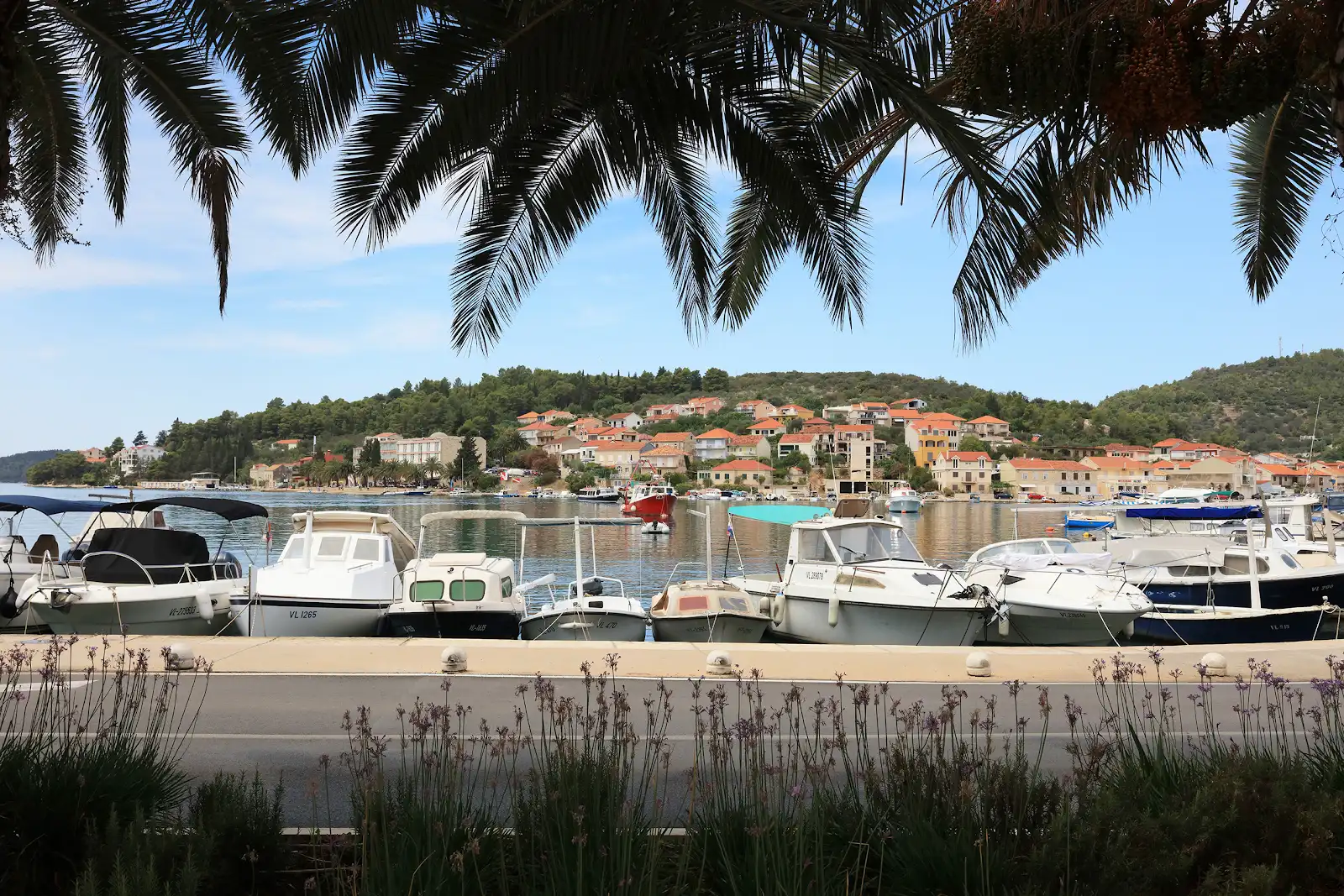
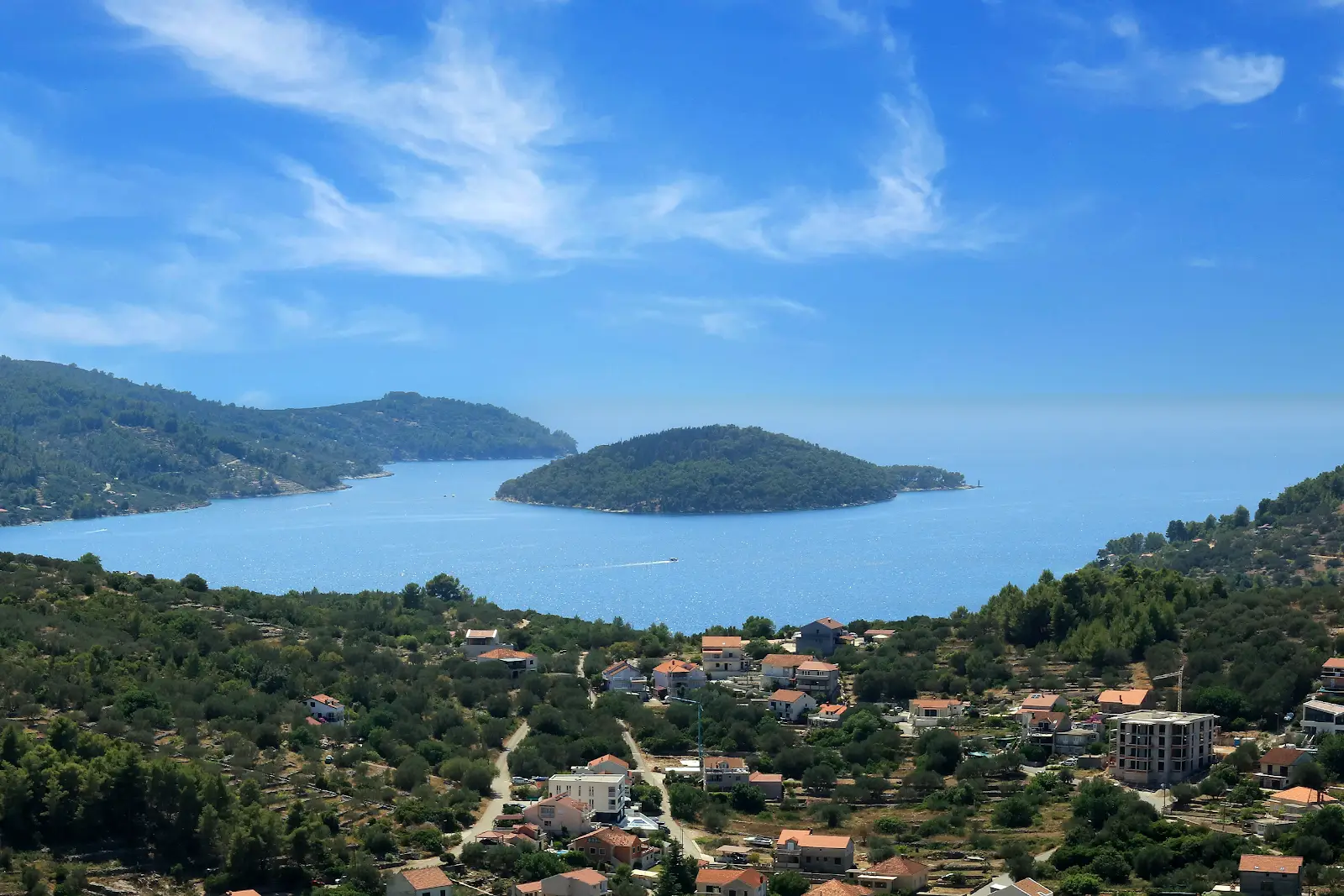
As you head back to the eastern end of the island, the narrow road winds down the mountain toward the sea. The drive offerssprawling Adriatic views that are nothing short of spectacular. As you hug the coast on the way back to Račišće, families picnic at the water’s edge while children splash in the sea. Back in the village, time again becomes of little consequence, as the sea and sun dictate the rhythms of daily life. As the sun slowly sets behind the village and the ambient light dims, the lights of the outdoor eateries brighten, beckoning patrons for dinner. The upper el fresca dining room at Konoba Vala offers a striking vista of the bay and a menu that’s just as pleasing. Dining in Croatia is never rushed – it doesn’t need to be.
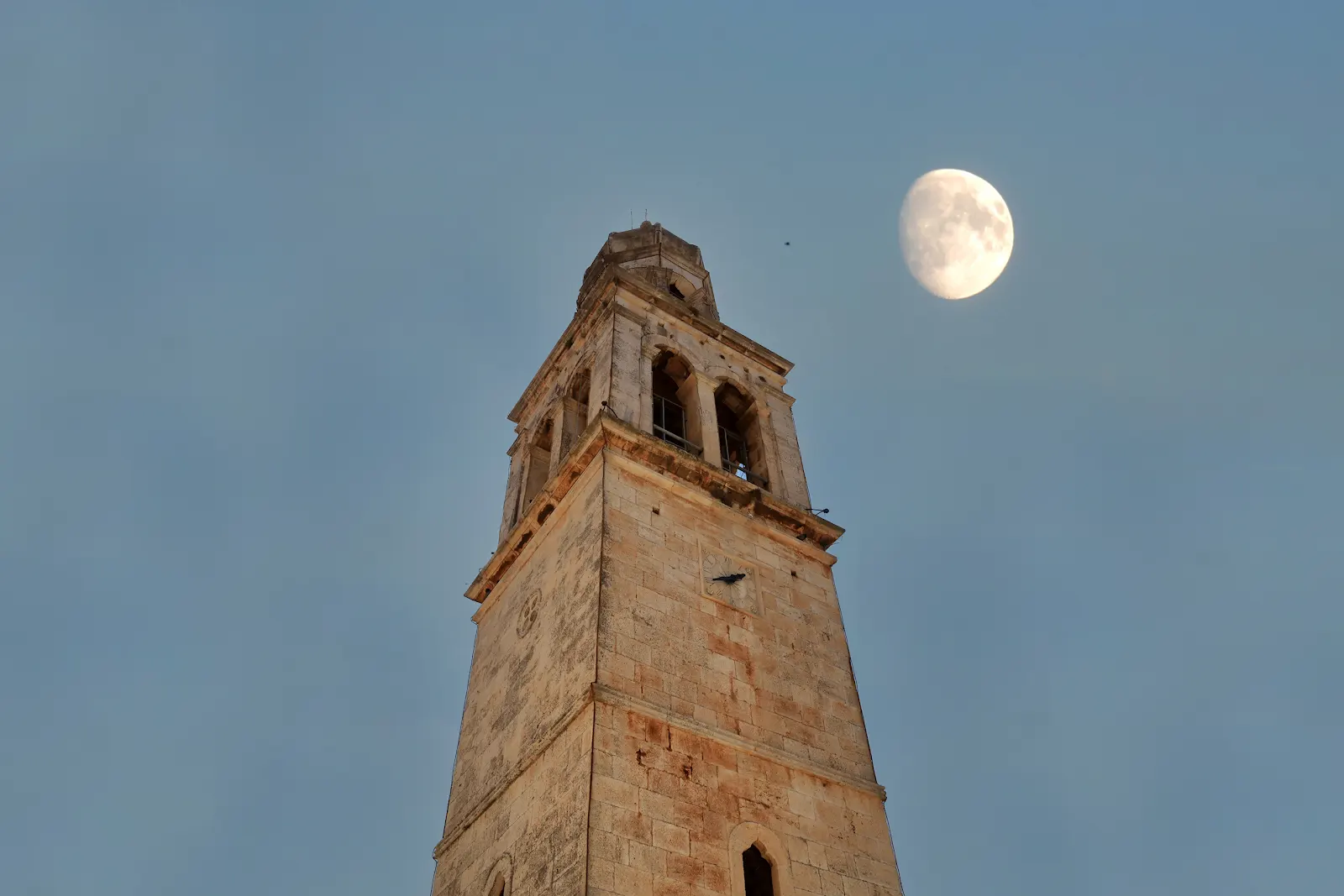
With the moon hovering above the bay, no one seems to notice the evening slowly slipping away, with it only coming to an end when the Rakija runs out.
*Brett Leigh Dicks is an American/Australian photographer and writer based in Fremantle. He has written and photographed for The New York Times, VICE, The Sunday Times and Rhythms Magazine. For 20 years he was based in California and wrote about music for the Santa Barbara Independent and Santa Barbara News-Press. He is now a regular contributor to Fremantle Shipping News.
~Here’s more by Brett Leigh Dicks on FSN
~ If you’d like to COMMENT on this or any of our stories, don’t hesitate to email our Editor.
~ WHILE YOU’RE HERE –
PLEASE HELP US TO GROW FREMANTLE SHIPPING NEWS
FSN is a reader-supported, volunteer-assisted online magazine all about Fremantle. Thanks for helping to keep FSN keeping on!
~ Don’t forget to SUBSCRIBE to receive your free copy of The Weekly Edition of the Shipping News each Friday and to Follow us on Facebook and on Instagram too!